Looking at a Cocoa Beach condo? You are not just buying four walls and an ocean breeze. You are also stepping into a condo association’s budget, rules, insurance setup, and building maintenance plan. If you understand how the HOA works before you buy, you can make a more confident decision and avoid surprises later. Let’s dive in.
Why the HOA matters so much
In Cocoa Beach, one condo building can operate very differently from the next. Two units may look similar online, but the associations behind them can have very different fees, reserves, rental rules, and maintenance needs.
That is why condo due diligence matters so much. In practical terms, you are evaluating the association almost as much as the unit itself. Florida condo law treats the declaration, bylaws, rules, budgets, financial statements, reserve studies, and inspection reports as core materials for buyers to review.
What you are actually joining
When you buy a condo resale in Florida, you have the right to receive a current set of association documents before closing if you request them. These typically include the current declaration, articles of incorporation, bylaws and rules, annual financial statement, annual budget, and the association’s FAQ sheet.
Those documents are not just paperwork. They tell you how the building is run, what owners are responsible for, what restrictions apply, and how the association handles money and maintenance.
Key records to review
Florida law requires associations to keep extensive official records. Depending on the building, that can include:
- Recorded declaration and amendments
- Bylaws and articles of incorporation
- Current rules and regulations
- Meeting minutes
- Insurance policies
- Management contracts
- Annual budgets
- Accounting records and financial statements
- Audits or financial reviews
- Structural integrity reserve studies
- Inspection reports
- Building permits
- Current question-and-answer sheet
If you are buying in Cocoa Beach, these records help you see the real picture behind the listing photos. They can show whether the community is well organized, financially prepared, and clear about owner expectations.
Your review timeline matters
For a resale condo, Florida gives buyers a seven-day cancellation right after receiving the required association documents, not counting weekends and legal holidays. That makes timing important.
If documents arrive late in the process, you may feel rushed. A smart approach is to ask for them early and read them closely while you still have time to ask questions.
Where to find Cocoa Beach condo documents
Some condo associations already make documents easier to access. In Cocoa Beach, certain buildings publish governing documents, budgets, insurance information, meeting materials, reserves, or construction-related reports through association websites or owner portals.
If records are not online, ask for them in writing and keep a copy of your request. Florida guidance notes that associations may provide access electronically, on site, or through an app or website, and they may charge actual copy costs.
Public records can help too
For recorded condo documents, the Brevard County Clerk’s Official Records search can be a helpful starting point. It includes declarations of condominium and other recorded instruments, with index data going back to January 1, 1981.
That said, public records are only one piece of the puzzle. They will not replace current budgets, insurance details, or day-to-day rules, so you still want the latest association package.
The money questions to ask first
Monthly dues are often the first number buyers look at, but that number alone does not tell the full story. You want to know what the dues cover, how they are billed, and whether other charges may apply.
Florida’s condo disclosure materials are supposed to explain how assessments are levied, whether monthly, quarterly, or on another schedule. They may also reveal added recreation or land-use fees tied to shared facilities.
Ask what the dues really cover
Before you fall in love with a unit, ask questions like:
- Are dues paid monthly, quarterly, or another way?
- What services or maintenance are included?
- Are there extra parking, recreation, land-use, or master-association fees?
- Are there any current or pending special assessments?
- What does the latest budget show about reserves?
This is where two Cocoa Beach condos can differ sharply. A lower monthly fee may not always mean lower long-term cost if reserves are thin or major work is coming.
Reserves, inspections, and special assessments
For many Florida condo buyers, this is the most important part of HOA review. You want to understand whether the building is saving enough for major repairs and whether required inspections have been completed.
For buildings that are three or more habitable stories high, Florida requires milestone inspections once the building reaches the statutory age trigger. Florida also requires a structural integrity reserve study, or SIRS, every 10 years after creation.
What the reserve study covers
A structural integrity reserve study focuses on major components that affect building safety and long-term maintenance. That includes items such as:
- Roof
- Structural systems
- Fireproofing and fire protection
- Plumbing
- Electrical systems
- Waterproofing and exterior painting
- Windows and exterior doors
- Other high-cost items tied to structural integrity
If the study shows a funding gap, the association may need to increase assessments, borrow funds, or use a line of credit. For you as a buyer, that means today’s HOA fee may not be the whole story.
Why this matters in Cocoa Beach
Coastal buildings face real wear from salt air, wind, moisture, and constant exposure to the elements. Even when two buildings sit in the same general area, they may be in very different positions financially depending on maintenance history and reserve planning.
That is why it helps to treat each Cocoa Beach condo as its own financial package. Never assume one building works like the next one down the street.
Insurance questions you should not skip
Condo insurance can be confusing, especially near the coast. Florida requires condominium associations to maintain adequate property insurance, and replacement cost must be updated at least every three years.
The association may also carry flood insurance for common elements, association property, and units. Still, interior finishes and many unit-level items remain the owner’s responsibility, so you should ask your own insurer what separate coverage you may need.
Important insurance details to confirm
Ask the association for:
- A summary of the master policy
- The master-policy deductible
- How deductibles are allocated after a claim
- Whether flood coverage is carried by the association
- What parts of the unit are the owner’s responsibility
These answers can affect your budget more than many buyers expect. A condo with strong amenities may still require a very different personal insurance setup than another building nearby.
Rules can vary a lot by building
One of the biggest surprises for buyers is how much condo rules can differ from building to building in Cocoa Beach. Amenities vary, but so do policies on pets, rentals, parking, smoking, balconies, and storage.
For example, published rules from some Cocoa Beach associations show major differences in rental minimums, pet limits, and parking requirements. In one building, short stays may be allowed under specific terms. In another, rentals may require a much longer minimum term.
Common rule categories to review
Before you buy, make sure you understand the association’s current rules on:
- Pets
- Rental minimums and registration
- Guest use policies
- Parking and parking passes
- Boats, trailers, and storage areas
- Balcony use and grilling
- Smoking restrictions
These details matter even more if you are buying a second home, planning occasional rentals, or simply want flexibility in how you use the property.
Amenities are not all the same
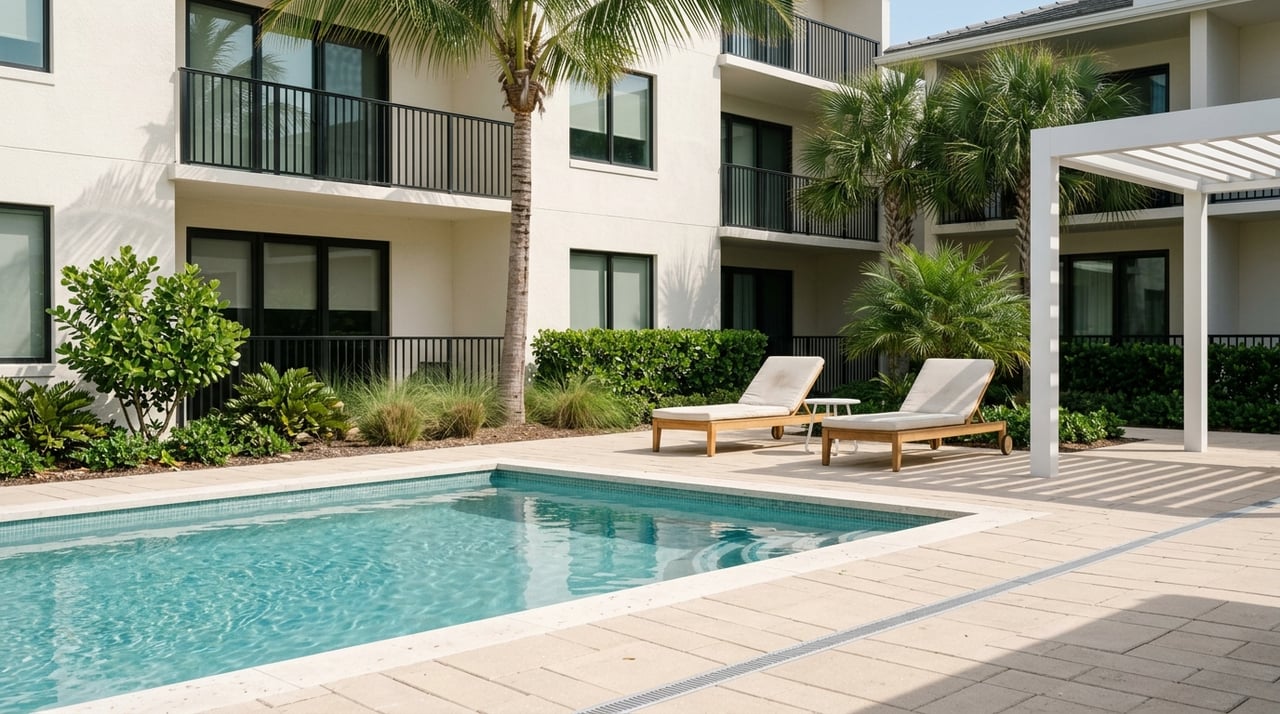
Cocoa Beach condos can offer very different lifestyles. Some buildings focus on simple beach access and low-maintenance ownership. Others include more extensive features such as pools, spas, fitness rooms, clubhouses, garages, docks, boardwalks, or storage options.
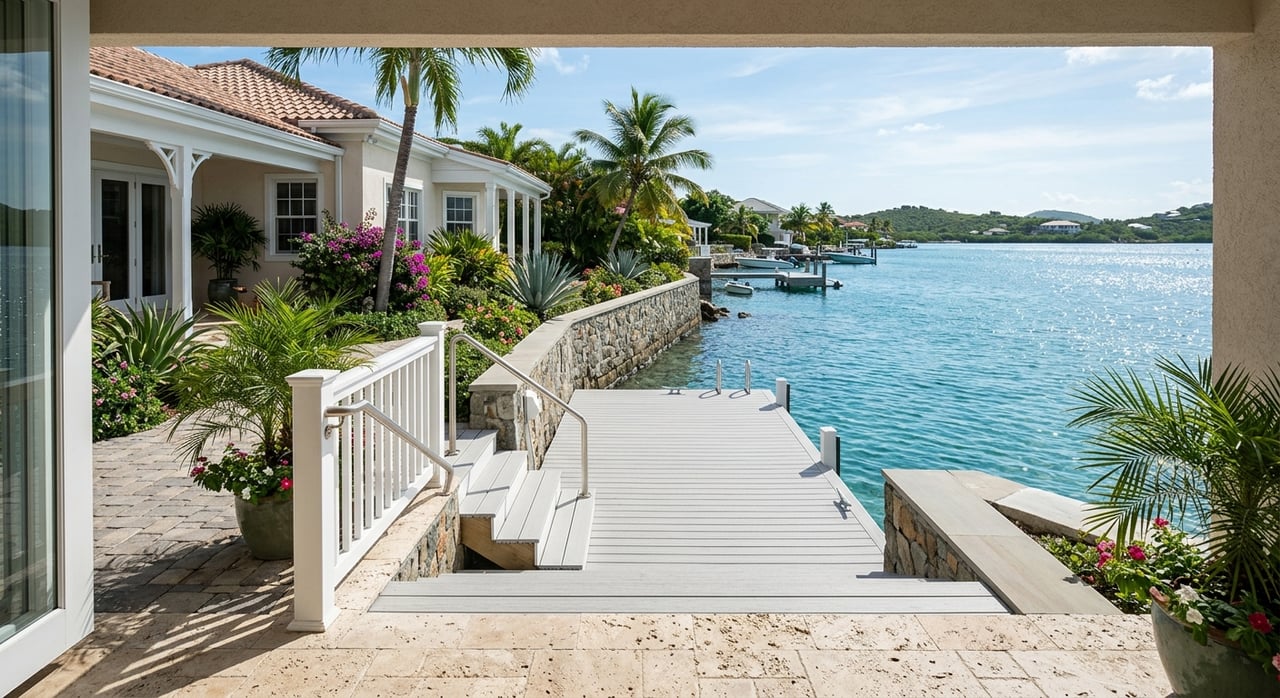
Examples in Cocoa Beach show just how wide the range can be. Some associations advertise amenities like heated pools, saunas, exercise rooms, tennis courts, fishing piers, garages, guest parking, and limited boat storage, while others highlight riverfront boardwalks, elevators, gyms, docks, or gated entry.
Amenities can add value to your daily life, but they also affect maintenance obligations and budget needs. The right fit depends on how you plan to use the condo.
Do not forget city beach rules
If you are buying near the beach, association rules are only part of the picture. Cocoa Beach also has city rules that affect beach use and access.
The city provides parking at 40 stub-end streets east of A1A and at several oceanfront parks. City rules also protect dunes, limit dog beach use to a specific stretch and schedule, and prohibit items such as glass and overnight camping on the beach.
This may not change whether you buy a unit, but it does shape day-to-day living. If beach access is a major reason you want a Cocoa Beach condo, it helps to understand both the building’s rules and the city’s rules.
A smart Cocoa Beach condo checklist
When you review a condo association, keep your questions simple and direct. A focused checklist can help you compare buildings more clearly.
Questions to ask before you buy
- What do the dues cover?
- Are dues monthly, quarterly, or another schedule?
- Are there extra recreation, land-use, parking, or master-association fees?
- Are there current or pending special assessments?
- What do the latest budget and financials show?
- Has the building completed any required milestone inspection?
- Has the association completed a structural integrity reserve study?
- Can you review the latest inspection or reserve summary?
- What are the pet, parking, rental, balcony, and storage rules?
- What does the master insurance policy cover?
- What deductible applies, and how is it allocated after a claim?
- Are records available online, through a portal, or on site?
The goal is not to scare yourself out of condo living. It is to make sure the condo you choose fits your budget, your plans, and your comfort level.
The bottom line for Cocoa Beach buyers
Buying a condo in Cocoa Beach can be a great way to enjoy coastal living with amenities and lower exterior maintenance responsibility. But every building comes with its own rules, financial position, and long-term planning.
The safest move is to review each condo association as carefully as you review the unit itself. If you want help comparing Cocoa Beach condos, reviewing what questions to ask, or narrowing down the right fit for your lifestyle, connect with Diana Roca LLC.
FAQs
What condo HOA documents should you review in Cocoa Beach?
- You should review the declaration, bylaws, rules, annual budget, financial statements, insurance information, FAQ sheet, reserve studies, and any available inspection reports.
What should Cocoa Beach condo dues include?
- Condo dues may cover shared maintenance and operations, but you should confirm the exact billing schedule and ask whether there are added recreation, land-use, parking, or master-association fees.
Why do reserve studies matter for Cocoa Beach condos?
- Reserve studies show whether the association is planning and saving for major repair items like roofs, structural systems, plumbing, electrical systems, windows, and waterproofing.
How can rental rules differ in Cocoa Beach condo buildings?
- Rental rules can vary widely by association, including minimum lease terms, registration requirements, and other use restrictions, so you should verify the current rules for each building.
Where can you find Cocoa Beach condo association records?
- Some associations provide records through websites or owner portals, while recorded documents may also be found through the Brevard County Clerk’s Official Records search.
What insurance questions should Cocoa Beach condo buyers ask?
- You should ask what the master policy covers, what deductible applies, how deductibles are allocated after a claim, whether flood coverage exists, and what coverage you need for your own unit and interior items.