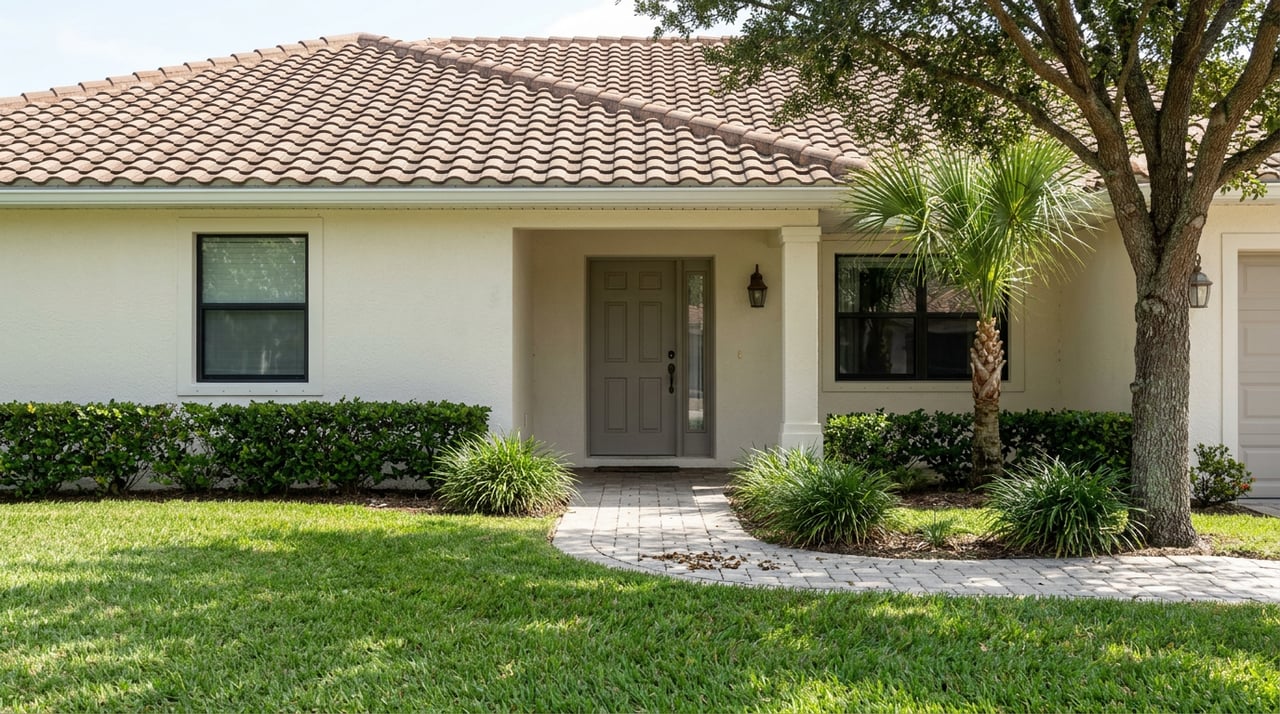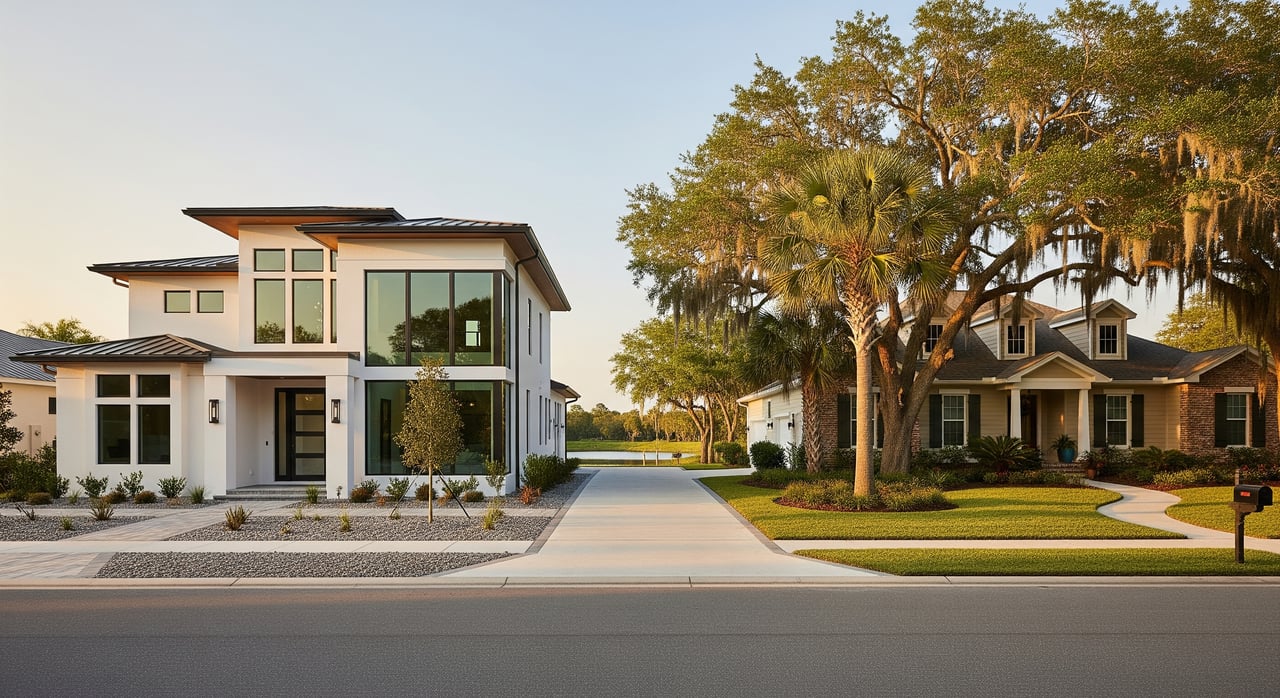
Torn between a shiny new home and a move‑in‑ready resale in Viera? You are not alone. Families and downsizers here often weigh monthly costs, timing, and peace of mind before making the call. In this guide, you will see how new construction compares to resale on incentives, CDDs and HOAs, timelines, warranties, and inspections, plus how to protect your budget during builder negotiations. Let’s dive in.
Viera at a glance
Viera is a master‑planned area in Brevard County with multiple neighborhoods, parks, trails, and mixed‑use centers. That planning comes with community amenities many buyers love. It can also involve special assessments or fees that affect your monthly budget.
If you want modern layouts and the chance to personalize finishes, new construction can be attractive. If your top priority is moving quickly into an established neighborhood, a resale can be the better fit. The right choice depends on your timeline, total monthly costs, and comfort with the build process.
New construction vs resale: quick comparison
| Factor | New Construction | Resale |
|---|---|---|
| Timeline to move | Ground‑up often 6–12+ months; inventory homes 30–90 days | Commonly 30–60 days from contract to close |
| Upfront price | Base price plus options and possible lot premium | List price with room for concessions depending on market |
| Monthly costs | Mortgage, property tax, insurance, HOA, plus possible CDD | Mortgage, property tax, insurance, HOA (may be lower or higher by community) |
| Incentives | Closing cost help, rate buydowns, upgrades, sometimes tied to preferred lender | Seller credits for repairs or closing costs, price flexibility |
| Warranties | Typically 1‑year workmanship, 2–5‑year systems, 10‑year structural | No builder warranty, but you can buy a home warranty; age of systems matters |
| Inspections | Pre‑drywall, final, 11‑month warranty check recommended | Full home inspection plus add‑ons as needed |
| Negotiation levers | Lot premium, upgrades, closing costs, completion terms | Price, repairs, closing costs, timelines |
What drives your total monthly cost in Viera
Price, incentives, and lot premiums
Builders often price homes with a base list and then add for options and lot premiums. Lots with water, preserve views, or cul‑de‑sacs may carry higher premiums. These can sometimes be negotiated depending on demand and inventory.
Builder incentives can reduce your monthly costs. You might see closing cost credits, temporary interest rate buydowns, or upgrade packages. Many incentives are tied to using a preferred lender or title company. Compare the total cost of the loan, not just the incentive headline. The Consumer Financial Protection Bureau’s mortgage-shopping tools can help you evaluate Loan Estimates side by side.
Resale homes may offer price flexibility or seller credits instead of builder incentives. You will want to weigh any savings against the age of key systems and potential near‑term repairs.
CDD assessments explained
Some Viera neighborhoods may be part of a Community Development District. A CDD is a special unit of local government that finances and maintains infrastructure such as roads, stormwater systems, and amenities, governed by Florida Statutes Chapter 190. CDD assessments are typically billed annually, often on your tax bill.
Before you commit, verify the current annual CDD assessment for the specific lot, whether bonds are still being repaid, and if any special assessments are planned. You can confirm parcel details and tax information through the Brevard County Property Appraiser.
HOA dues and rules
HOA fees vary by neighborhood. Some cover basic common areas. Others include lawn care, gate security, pools, gyms, or roof and exterior maintenance for attached homes. Ask for the HOA budget, reserve study, meeting minutes, and CC&Rs. Confirm any rules about exterior changes, rentals, or landscaping, and whether reserves are funded for future repairs.
Property taxes and insurance
Property taxes are based on assessed value and can change after a new home is completed. Always check the current assessed value and exemptions.
Insurance in Florida can be higher due to wind and hurricane risk. Newer construction often earns wind‑mitigation credits that may reduce premiums. If the home is in a special flood hazard area, flood insurance may be required. Use the FEMA Flood Map Service Center to review flood zones, and ask your insurer for quotes on both wind and flood coverage for your short list.
Maintenance and energy costs
New construction can bring lower near‑term maintenance with new systems and modern efficiency standards. Resale homes may have lower list prices but higher near‑term capital expenses, like roof or HVAC replacement. A simple rule many homeowners use is to budget about 1 percent of the home’s value per year for maintenance, though your actual costs will vary.
Timelines: how fast can you move
New build timelines
- Ground‑up builds commonly take 6–12 months or more, depending on permitting, lot readiness, weather, and customization.
- Inventory or spec homes can close in 30–90 days if they are finished or near completion.
- Expect staged milestones: permitting and site prep, foundation, framing, rough mechanicals, drywall, finishes, final inspection, certificate of occupancy, and a punch list.
Resale timelines
Most resale closings in Brevard County take about 30–60 days from contract, depending on financing and inspections. This can be the faster option if you want to move before a school year or job start.
Common delays and how to protect your schedule
Supply chain issues, subcontractor scheduling, weather events, and last‑minute change orders can slow new builds. To protect your timing, insist on a written completion window and definitions of “substantial completion,” and build in clear remedies for delays. You can also monitor key inspections through the county. The Brevard County Building and Permitting office publishes permit and inspection guidance for required steps and certificates of occupancy.
Warranties and inspections that protect you
What builder warranties usually cover
Many production builders offer layered coverage: a 1‑year limited warranty for workmanship and materials, 2–5 years for major systems, and up to 10 years for structural elements through a third‑party program. Get the full warranty document in writing, including claim procedures and response timelines. For background, the National Association of Home Builders provides homeowner guidance on typical warranty practices, and providers such as 2‑10 Home Buyers Warranty illustrate common structural warranty models. Specific terms vary by builder, so verify the details for your contract.
Must‑do inspections for new construction
Even with builder and municipal inspections, you should hire your own licensed inspector. The American Society of Home Inspectors recommends key stages:
- Pre‑construction lot review: boundaries, easements, and drainage.
- Pre‑drywall inspection: framing, insulation, rough plumbing, electrical, and HVAC before walls close.
- Final inspection before closing: a full report and documented punch list.
- 11‑month warranty check: capture items to address under the 1‑year warranty.
Must‑do inspections for resale
Order a full home inspection and add specialized inspections as needed, such as wind mitigation, roof, termite, pool, mold, or septic. Compare the report with seller disclosures and request repairs or credits as appropriate.
Negotiation and buyer representation in builder communities
A licensed buyer’s agent represents you in negotiations and contract review. When you are eyeing new construction, your agent can:
- Review builder contracts, explain incentive contingencies tied to preferred lenders, and flag deadlines and protections.
- Negotiate lot premiums, closing costs, upgrade credits, and clearer completion terms where market conditions allow.
- Coordinate third‑party inspections at pre‑drywall and final stages and push for timely punch‑list completion.
- Verify HOA and CDD disclosures and help you model total monthly cost.
Builders each have their own policies on cooperating with buyer’s agents. Ask early whether representation is allowed and how commissions are handled so your interests are protected from the start.
Decision factors for families
- Timeline around school calendars. If you must move by a set date, inventory homes or resale listings may be the most reliable path.
- Space and layout. Focus on bedroom count, flex space for work or study, and yard usability near parks or mixed‑use centers.
- Total monthly cost. Model mortgage, taxes, insurance, HOA, and any CDD line by line before you choose the neighborhood.
Next steps for families:
- Get pre‑approved and price your total monthly budget including HOA and possible CDD.
- Shortlist two new‑build communities plus two resale neighborhoods that meet your timeline.
- Schedule tours and builder meetings with your agent, and set inspection plans in advance.
Decision factors for downsizers
- Low‑maintenance living. Consider single‑level floor plans, included exterior maintenance, and lock‑and‑leave features.
- Amenity access vs cost. Balance pools, gyms, and gated security against monthly HOA or CDD fees.
- System ages. In resale, verify the age and condition of roof, HVAC, and water heater to avoid early surprises.
Next steps for downsizers:
- Define your must‑have accessibility and maintenance features.
- Compare HOA inclusions and dues across a few Viera neighborhoods.
- Price insurance for each option and request a wind mitigation review to estimate any savings.
Viera buyer checklist
Use this list to compare new construction and resale options.
Ask builders or listing agents:
- What is included in the base price? List appliances, counters, landscaping, irrigation, and window coverings.
- Are there lot premiums or discounts for certain lots? How negotiable are they?
- What incentives are available and what are the exact contingencies for using a preferred lender or title company?
- What is the projected completion date and what remedies apply if the home is not ready on time?
- What warranty coverage is provided and for how long? Provide the full document in writing.
- Can I schedule pre‑drywall and final independent inspections? Who coordinates access and timing?
Ask the county, HOA, or CDD:
- What is the current annual CDD assessment for this lot and how long do bond obligations run?
- What are the HOA dues, what do they cover, and what is the reserve fund status?
- Are there recorded easements, conservation areas, or future phases that could affect views, drainage, or traffic?
Ready to compare your top options?
You deserve a clear view of costs, timing, and tradeoffs before you decide. If you want help verifying CDDs and HOAs, modeling monthly costs, or negotiating with builders, connect with a local guide who does this every day on the Space Coast. Reach out to Diana Roca LLC to plan tours, review contracts, and move forward with confidence.
FAQs
Is new construction always more expensive monthly than resale in Viera?
- Not always; CDDs, lot premiums, and higher HOAs can raise costs, but energy efficiency, lower early maintenance, and builder incentives can offset some of it when you compare line by line.
What is a CDD and how does it show up on my bill?
- A CDD is a special district that funds infrastructure under Florida law and its assessments usually appear on your annual property tax bill as a separate line item.
Can I do pre‑closing inspections on a new Viera home?
- In many cases yes; request pre‑drywall and final independent inspections in writing and coordinate timing with the builder and county requirements.
How long does a typical new build take versus a resale?
- Ground‑up builds commonly run 6–12 months or more while many resale closings complete in 30–60 days depending on financing and inspections.
Do I have leverage to negotiate with a builder?
- It depends on inventory and demand; you often have more room on inventory homes, end‑of‑quarter timing, or less premium lots, while high‑demand phases may allow fewer concessions.