Trying to choose between Downtown Melbourne and the beachside? It is a common question if you are moving within Brevard County, relocating to the Space Coast, or simply narrowing down where you want your next home to be. The good news is that both areas offer strong lifestyle benefits, but they serve different day-to-day priorities. This guide will help you compare the feel, walkability, housing, and commute patterns so you can decide which setting fits you best. Let’s dive in.
Downtown vs Beachside at a Glance
If you want the short version, the choice often comes down to activity versus atmosphere.
Downtown Melbourne offers a more urban, mixed-use environment with restaurants, bars, entertainment, and a walkable waterfront district. According to Melbourne Main Street, the area includes more than 300 businesses and roughly one square mile of shops, dining, entertainment, parks, and public art.
Beachside areas like Indialantic and Melbourne Beach offer a different pace. Public information highlights beach access, boardwalks, parks, dune crossovers, and local-serving amenities, creating a setting that feels more recreation-focused and residential than downtown’s busier social scene.
What Downtown Melbourne Feels Like
Downtown Melbourne is best described as historic, walkable, and active. The district is known for its waterfront setting, pedestrian-friendly streets, murals, parks, and a strong mix of shopping, dining, and entertainment. If you like the idea of stepping outside and having plenty of things to do nearby, downtown stands out.
The area also has a more layered feel than many other parts of Brevard. You will find older buildings, renovated spaces, local businesses, and a mix of uses that support a live-work-play lifestyle. For buyers who want energy and convenience, that combination can be a major plus.
Dining and nightlife downtown
Downtown is the clear winner if dining and nightlife are high on your list. Melbourne Main Street notes that the district includes more than 40 restaurants and bars, live music venues, two historic theaters, and a range of nightlife options.
That means your evenings can be flexible and spontaneous. You may be able to walk to dinner, catch live entertainment, or meet friends without needing to drive across town. For many buyers, that everyday convenience shapes the entire experience of living there.
What Beachside Feels Like
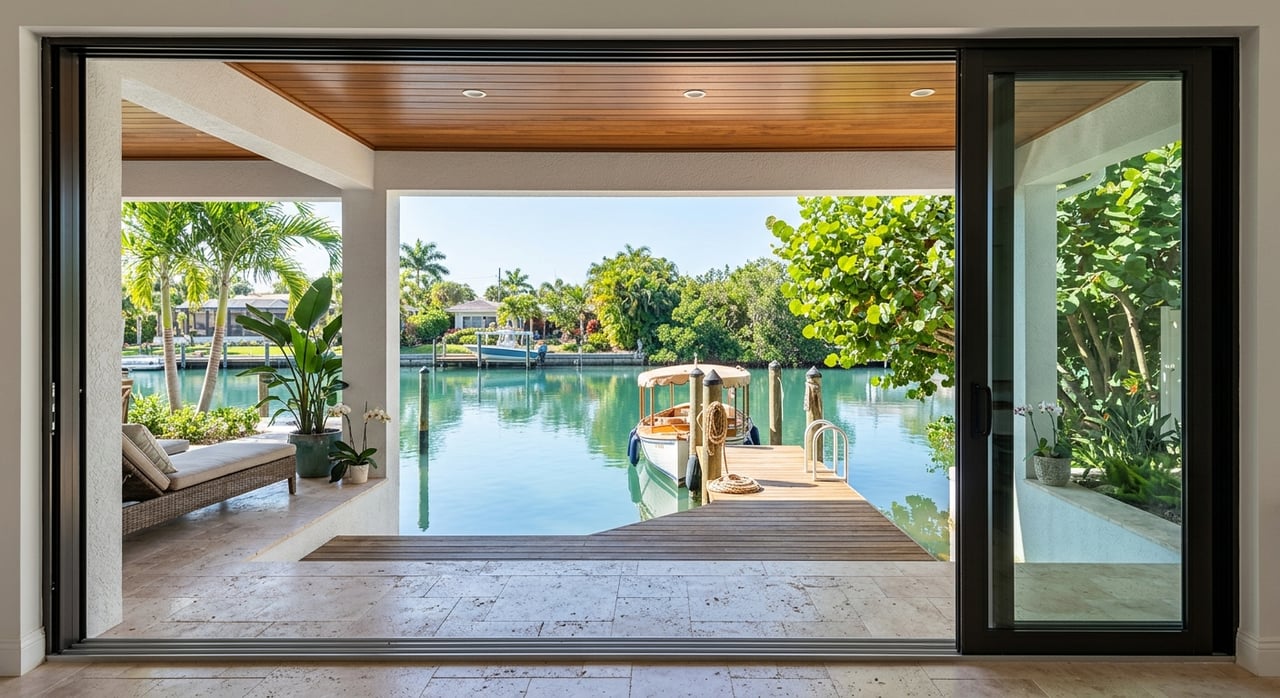
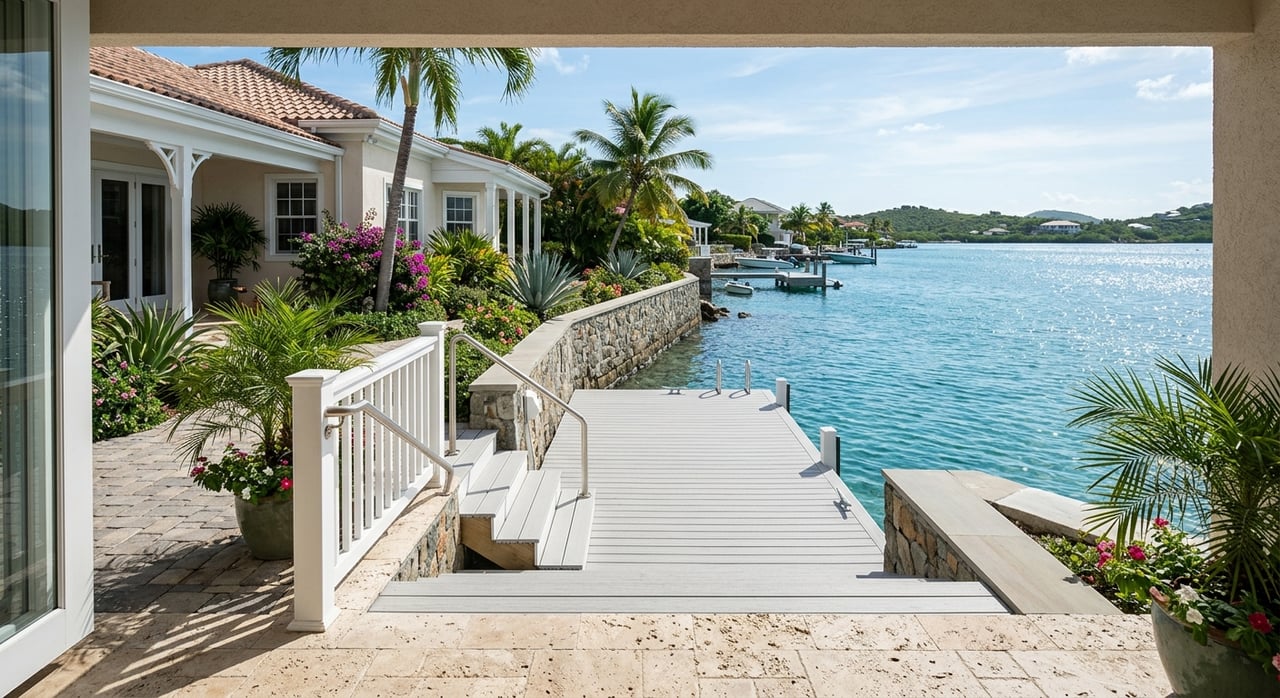
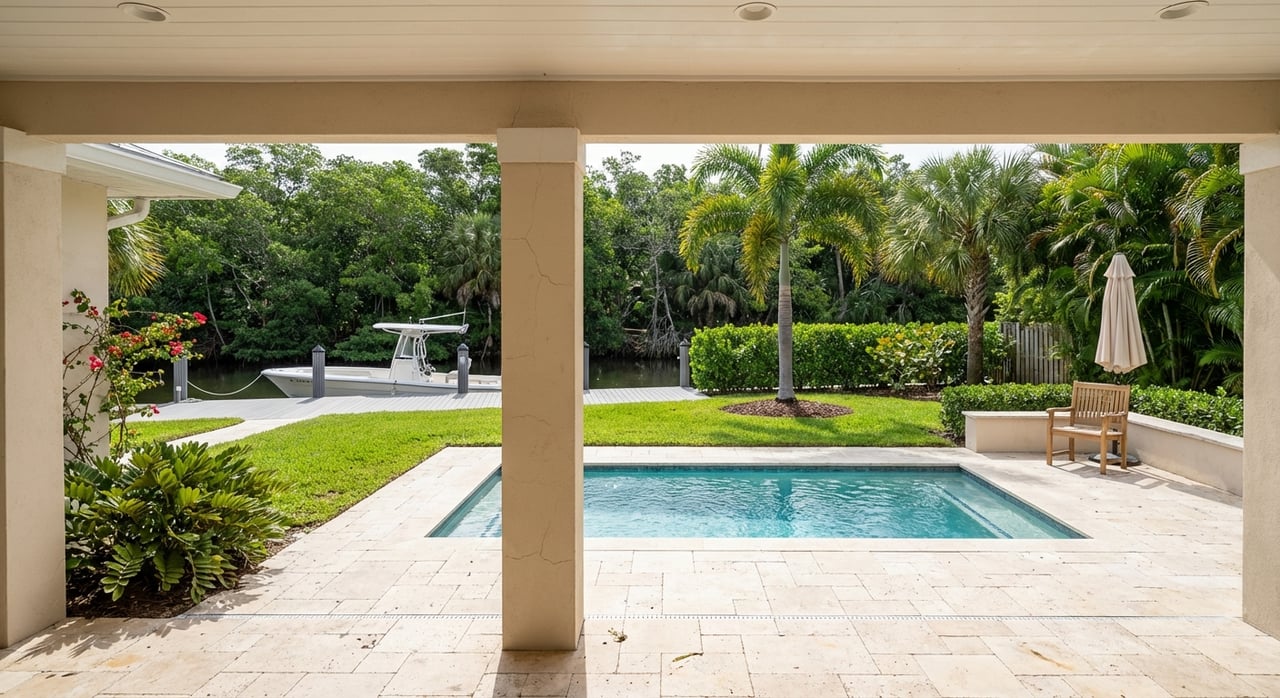
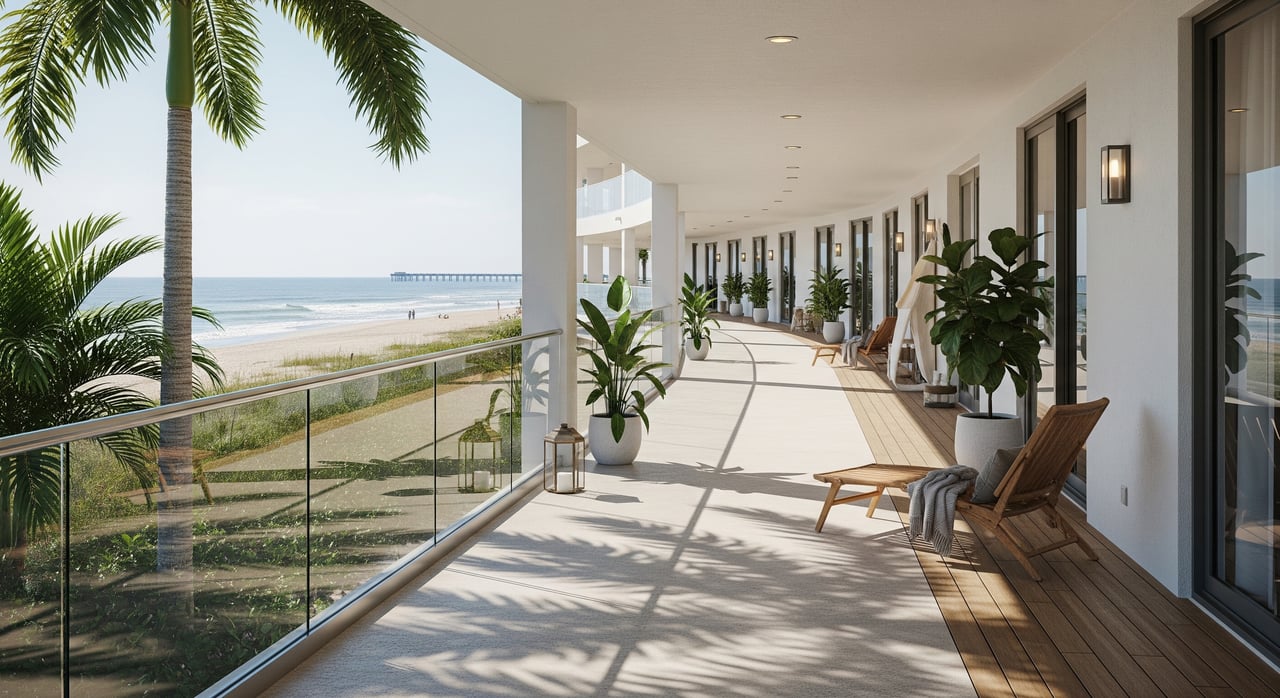
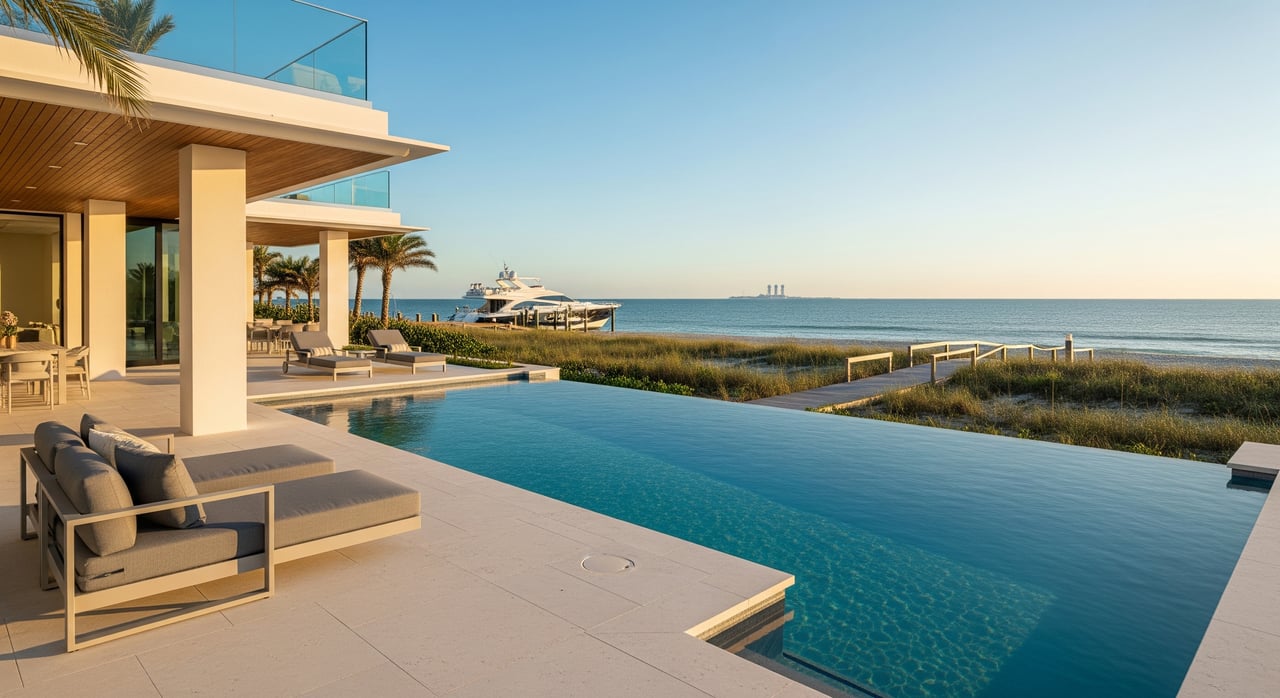
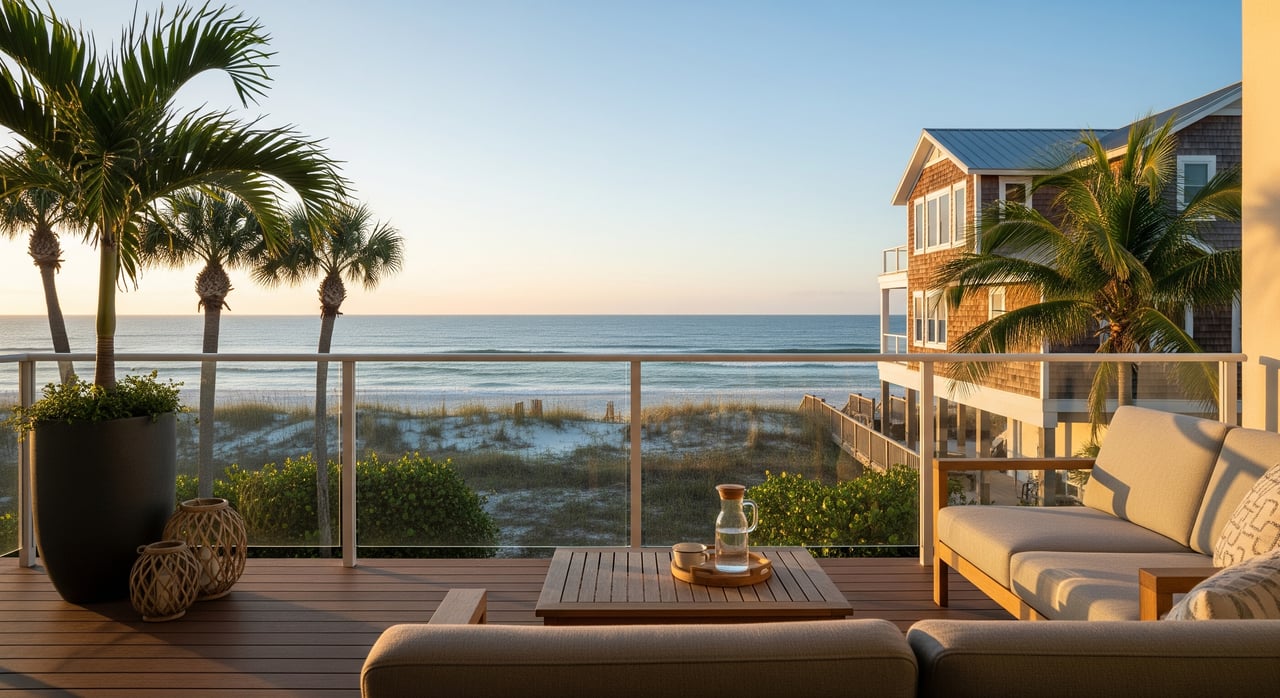
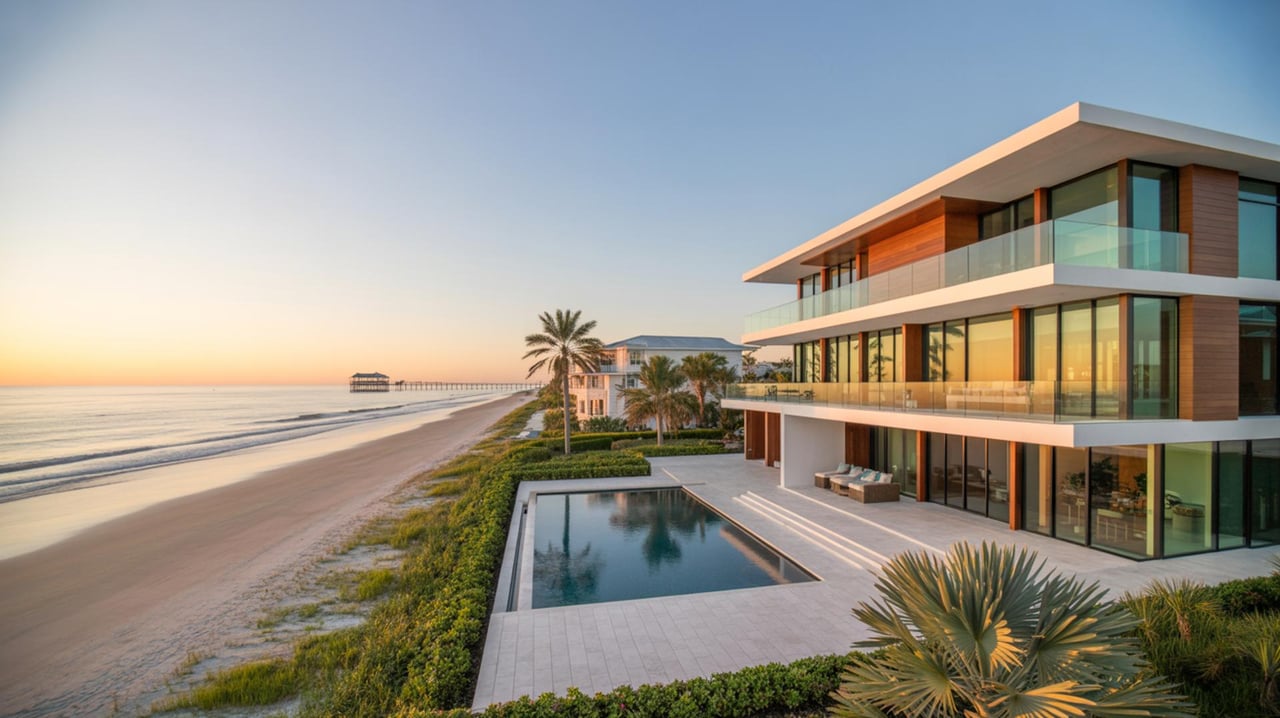
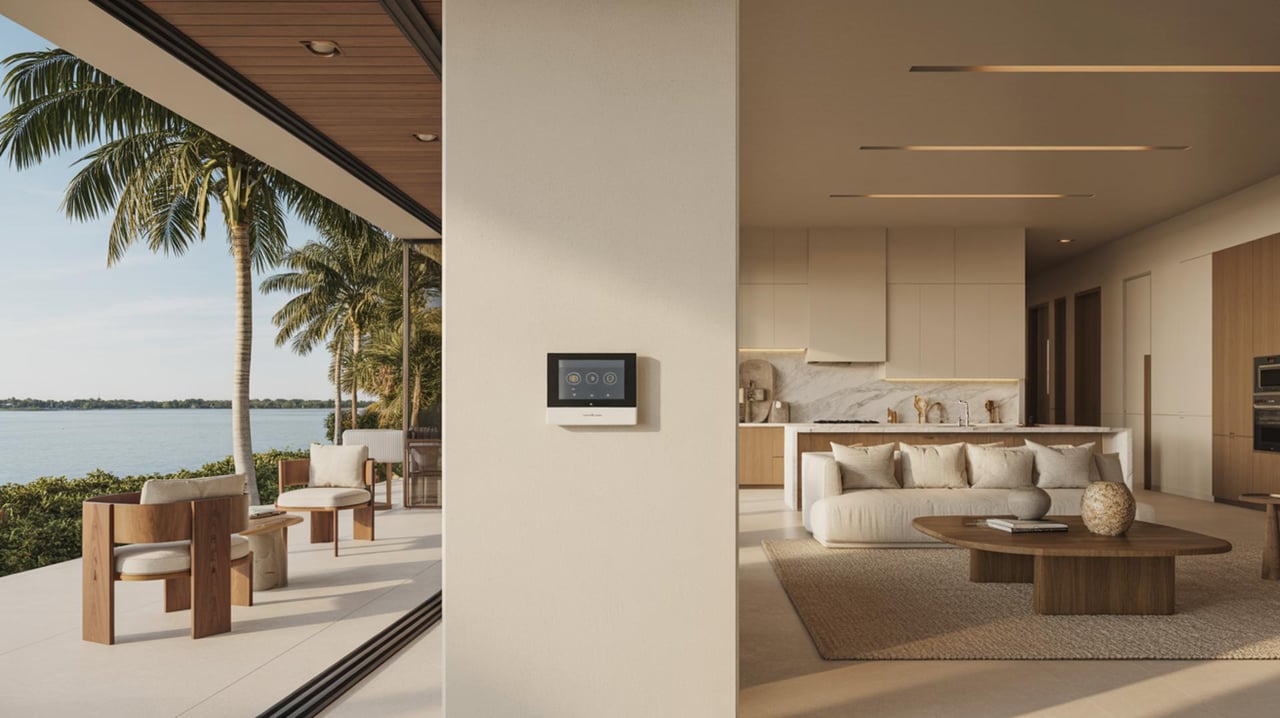
Beachside living in places like Indialantic and Melbourne Beach is more about ocean access, outdoor space, and a quieter rhythm. Instead of a concentrated restaurant and nightlife district, public information emphasizes parks, boardwalks, public seating, beach access points, and space for walking, cycling, and enjoying the coast.
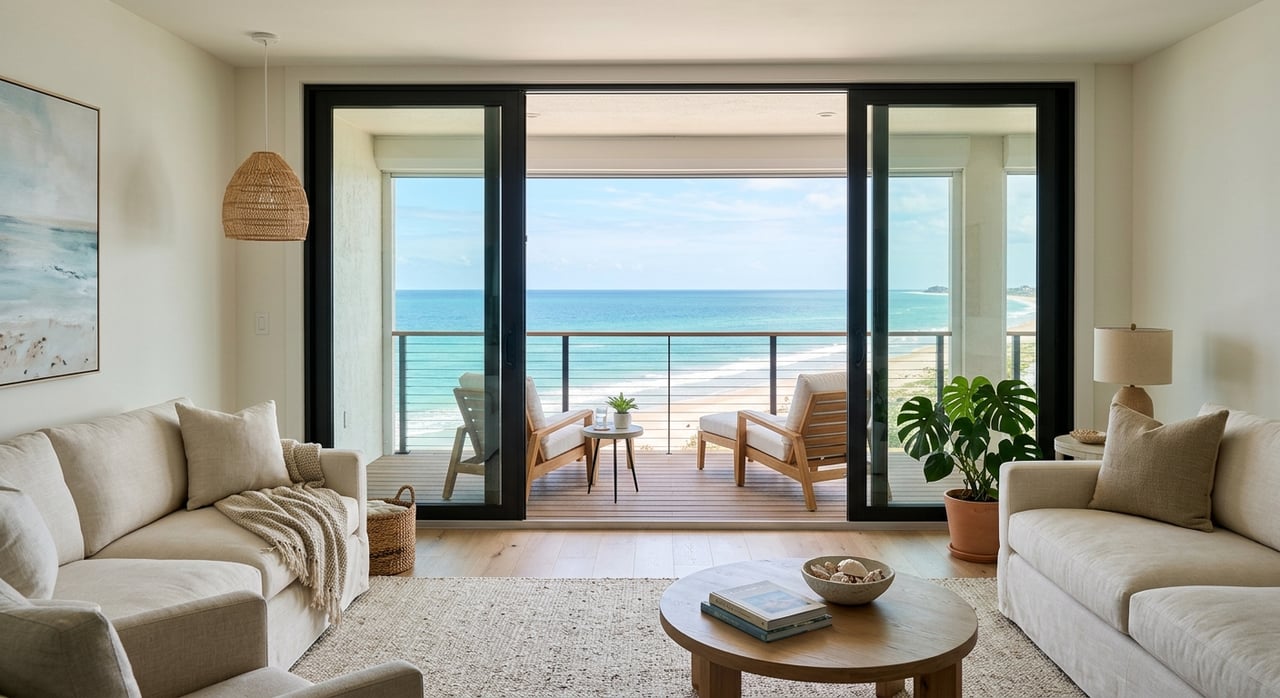
That difference matters in daily life. If your ideal morning starts with a beach walk or your weekends revolve around the shoreline, beachside living may feel more natural. It tends to appeal to buyers who want scenery, open air, and a calmer neighborhood setting.
Parks and shoreline access
The Town of Indialantic parks information highlights boardwalks, dune crossovers, beach access, and neighborhood parks. The town’s boardwalk planning also focuses on ocean views, gathering space, and public seating.
In practical terms, beachside living often makes outdoor recreation part of your normal routine. Instead of planning a trip to the water, you may be much closer to it every day.
Walkability and Daily Convenience
Walkability means different things in these two areas.
In Downtown Melbourne, walkability is tied to errands, dining, entertainment, and events. Sidewalks, crosswalks, and a compact district make it easier to move from one stop to the next on foot. If you want a place where your coffee shop, dinner plans, and evening outing can all happen within the same area, downtown fits that goal well.
On the beachside, walkability is often tied more to parks, beach access, and neighborhood routes. You may be able to walk to the shoreline, a boardwalk, or nearby local businesses, but the experience is less centered on nightlife and mixed-use activity. That can be a great fit if your priority is a more relaxed daily pace.
Housing Styles and Neighborhood Pattern
Your preferred home style may point you toward one area faster than any other factor.
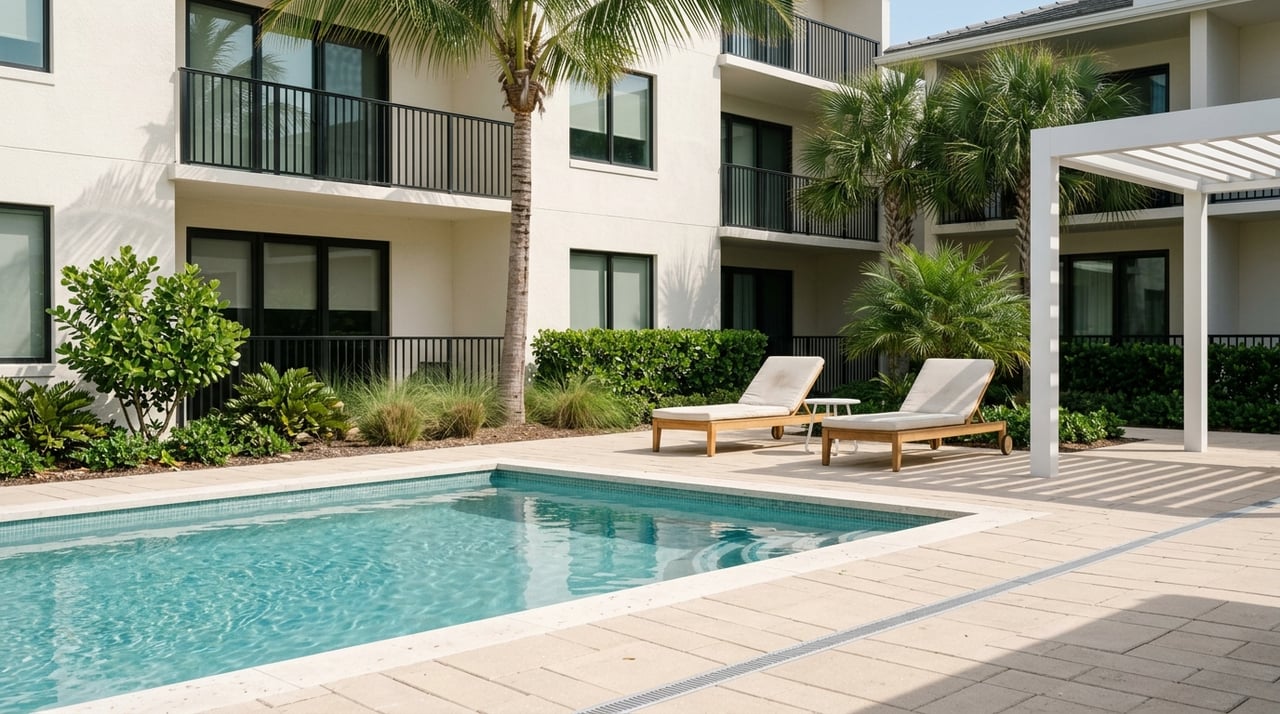
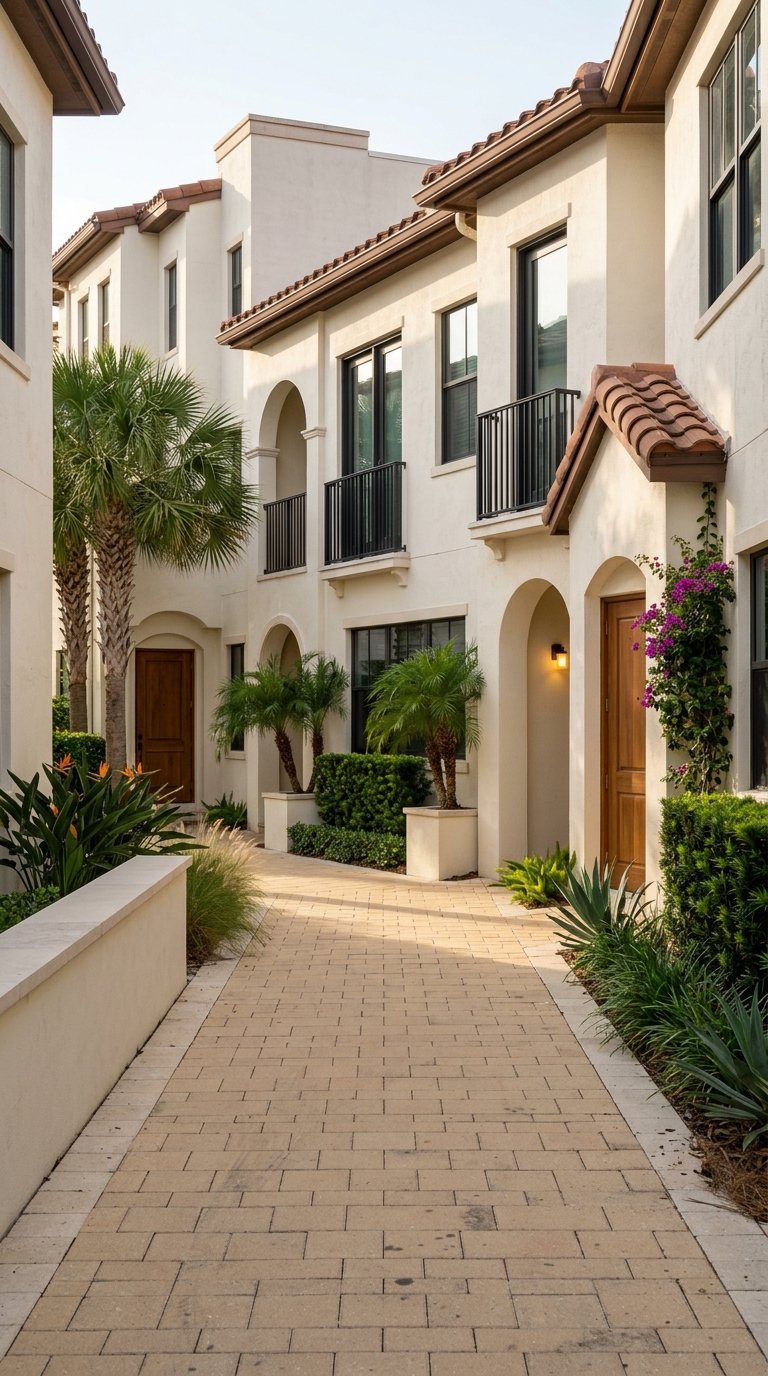
Downtown Melbourne has a more mixed housing profile. The district’s live page describes a growing number of options, including historic, traditional, multi-unit, and senior living accommodations. That suggests an older, denser housing mix with a variety of property types.
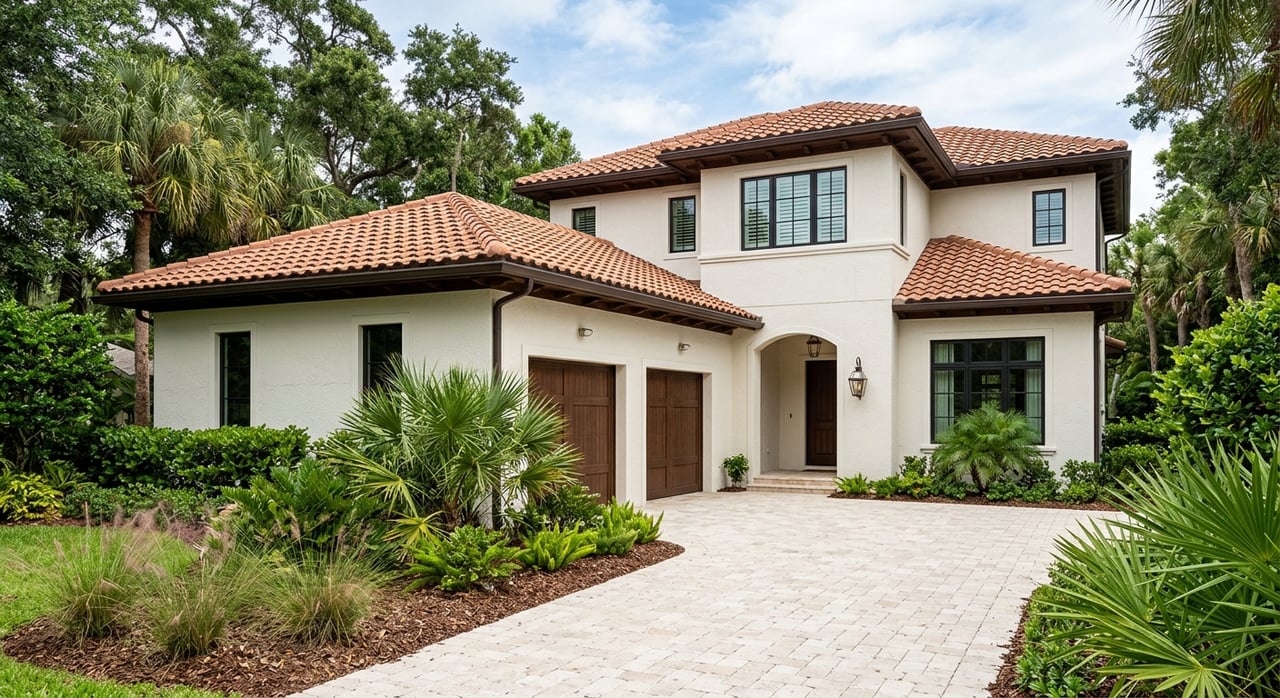
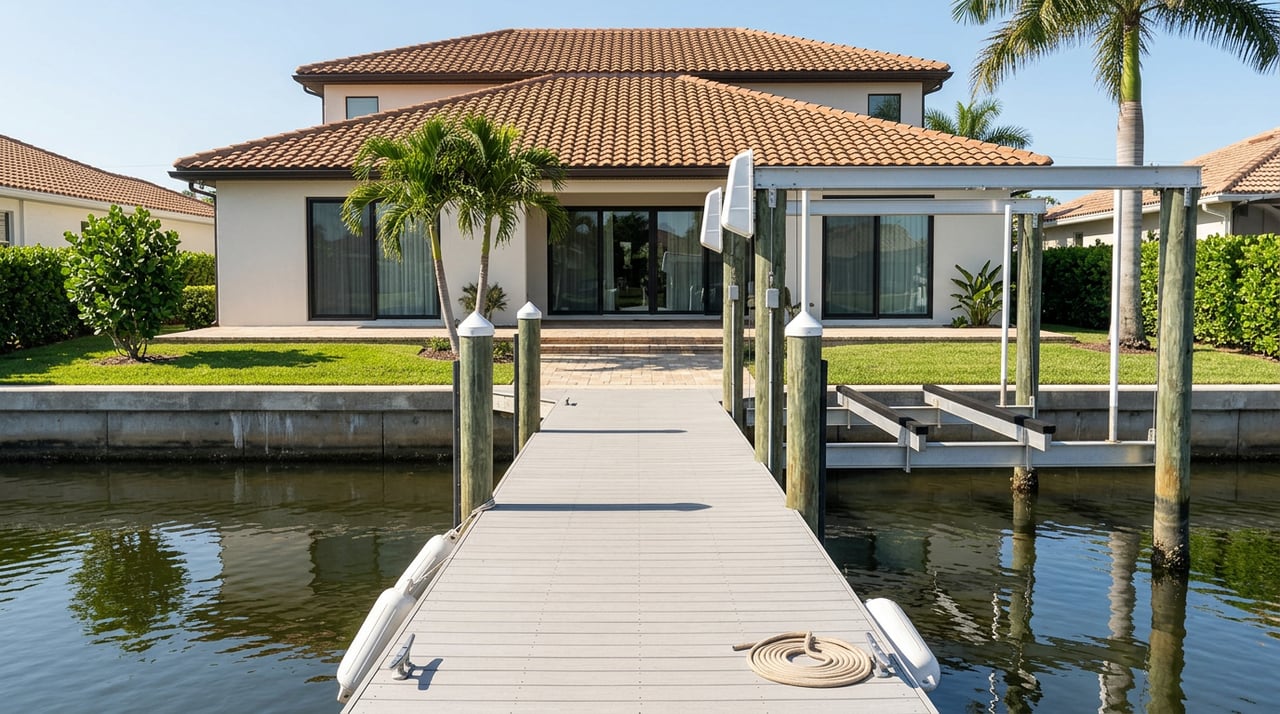
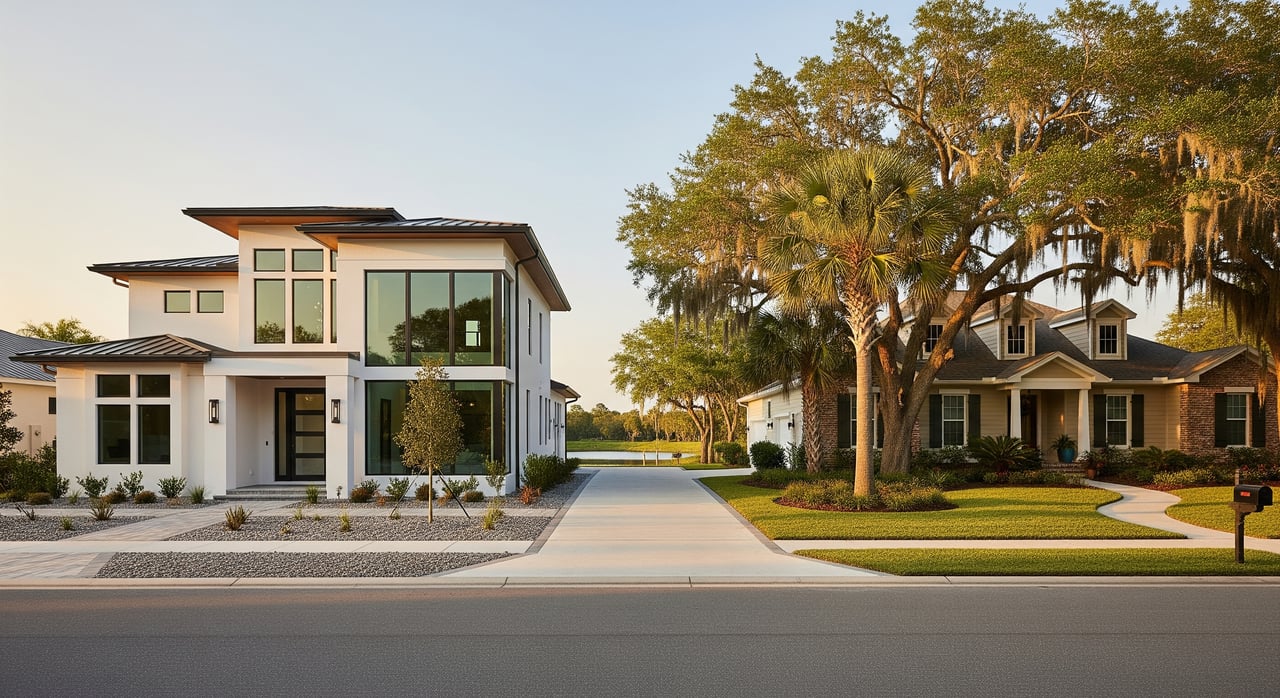
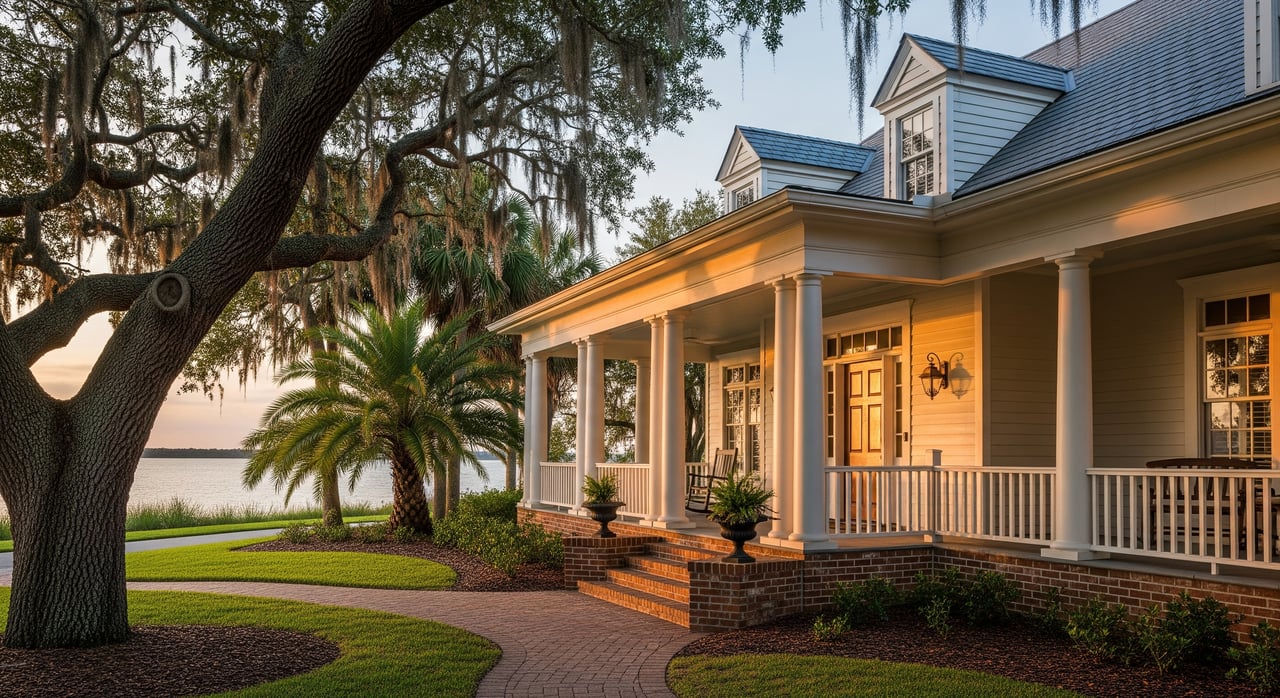
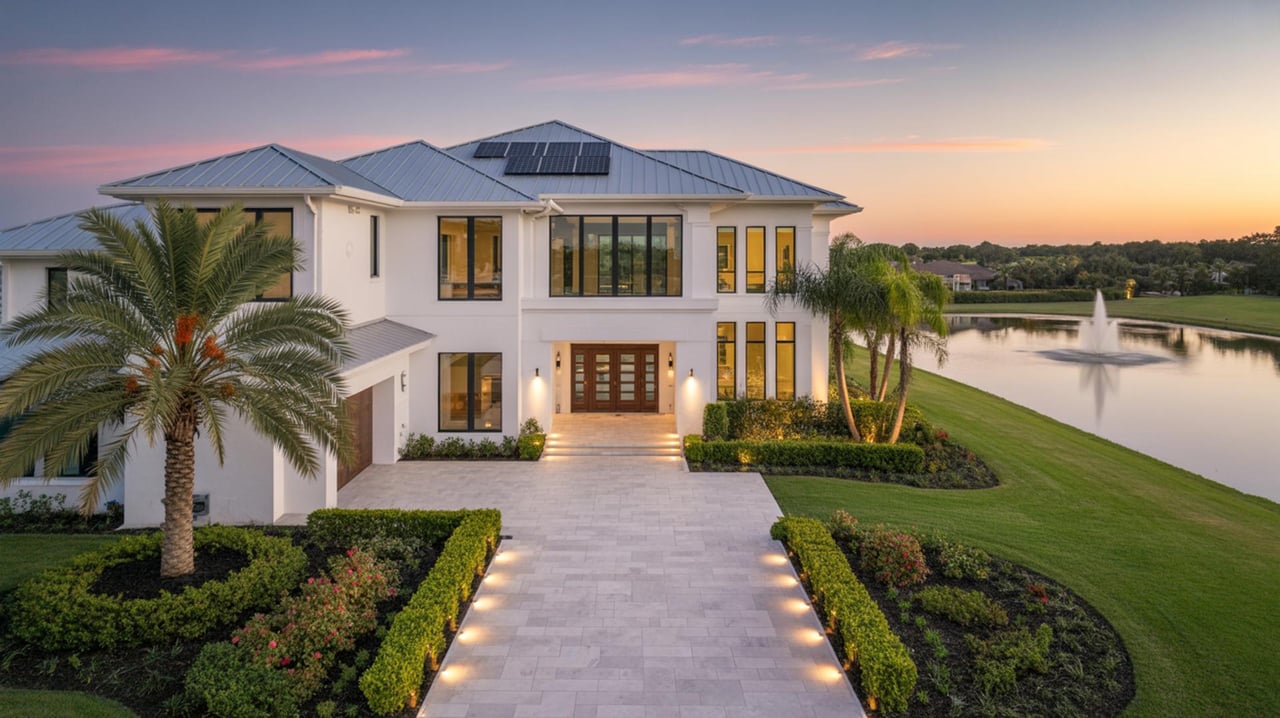
Beachside, especially in Melbourne Beach, is much more single-family oriented. The town’s support documentation states that residential development is close to built out, with only limited infill expected, and that about 87% of total units are single-family detached homes compared with 13% multi-family.
What that means for buyers
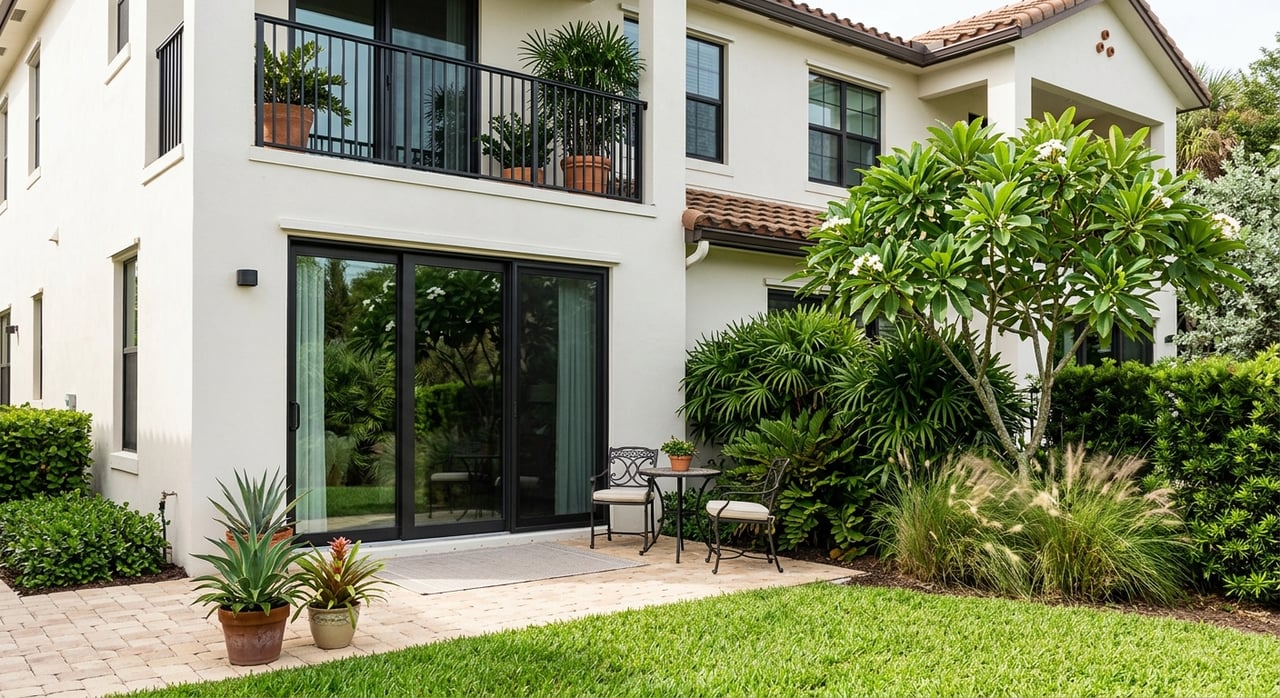
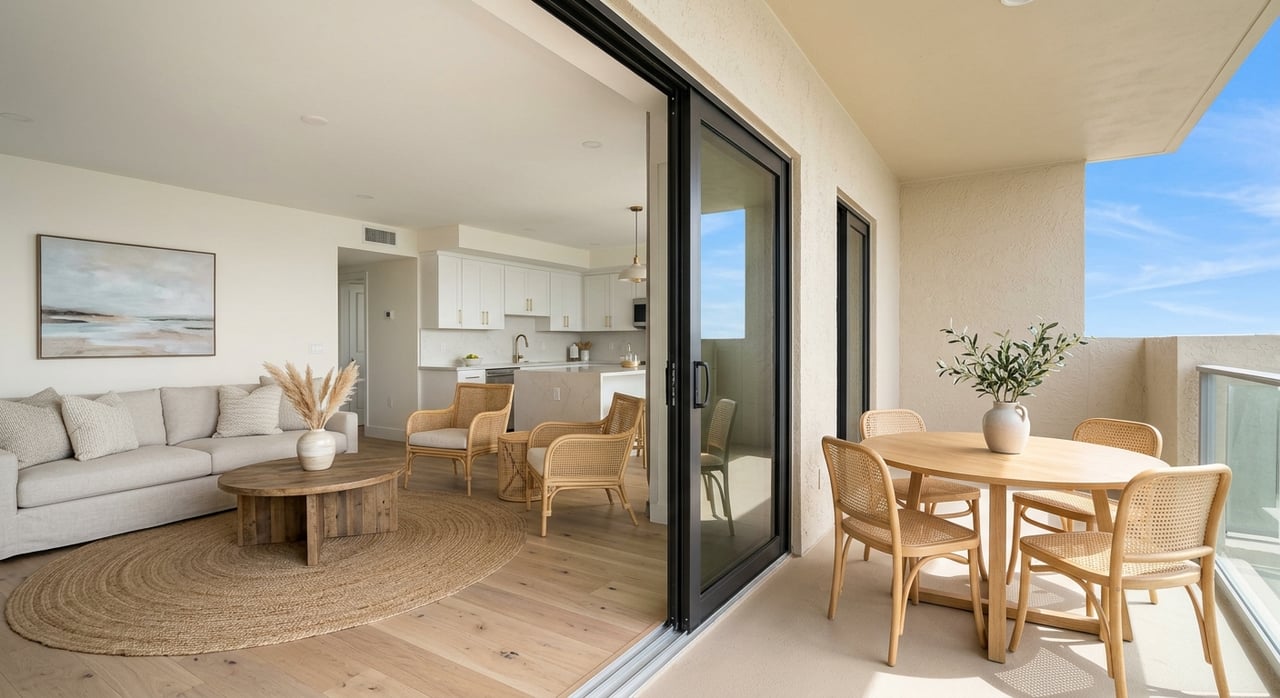
If you want a condo, a multi-unit setting, or a home near a more active district, downtown may offer better alignment. If you picture a detached home in a more established residential setting, beachside may feel closer to what you want.
Neither is automatically better. It depends on whether you value mixed-use convenience or a neighborhood structure built more heavily around single-family homes.
Commute and Transit Differences
If commuting matters, this is another area where the two locations differ.
Downtown Melbourne sits within a stronger local transit network. Space Coast Area Transit Route 21 serves Downtown Melbourne and connects to destinations such as Melbourne Square Mall, the library, Holmes Hospital, and Melbourne International Airport. The transit agency also notes that Melbourne residents with valid ID can ride free on routes 21, 24, and 29 within city limits.
Beachside transit is available, but it is more corridor-based. The current SCAT system map shows Route 26 South Beach and Route 30 South Beach Connector, with Route 30 linking destinations including Orlando Melbourne International Airport, Florida Tech, Downtown Melbourne, Melbourne Beach, Canova Beach, Eau Gallie Arts District, and City Hall.
Which commute style fits you
Downtown may be easier if you want to stay close to core destinations and local connections. Beachside can still work well, especially if your routine already centers on the mainland-beach corridor, but it may require a little more planning depending on where you work or spend time.
If you are relocating, this is one of the most helpful things to test in person. Drive the routes you expect to use most and compare how each area feels at the times you would actually travel.
Which Lifestyle Fits You Best?
For many buyers, this decision is not really about one area being better than the other. It is about choosing the setting that supports how you want to live.
Downtown Melbourne may fit you if:
- You want more restaurants, bars, and entertainment nearby
- You enjoy a busier social calendar
- You like a walkable district with a historic waterfront feel
- You want access to a wider mix of housing types
- You value being in a more central local transit area
Beachside may fit you if:
- You want easier access to the beach, parks, and boardwalks
- You prefer a quieter nightly rhythm
- You picture more of a small-town coastal setting
- You are looking for a detached-home neighborhood pattern
- You want outdoor recreation to be part of your daily routine
A Smart Way to Decide
If you are torn between the two, think about your normal Tuesday, not just your ideal vacation weekend.
Ask yourself where you want to grab coffee, take an evening walk, run errands, meet friends, or unwind after work. Downtown Melbourne often wins on convenience and social energy. Beachside often wins on scenery, shoreline access, and a slower pace.
The right choice comes down to what feels sustainable and enjoyable in everyday life. That is especially true if you are buying a primary residence or relocating from outside the area.
Final Thoughts on Downtown vs Beachside
Both Downtown Melbourne and the beachside offer compelling lifestyles, and both can be a great fit depending on your goals. If you want walkability, dining, and activity, downtown may feel like home. If you want coastal access, outdoor space, and a quieter setting, beachside may be the better match.
If you want help comparing neighborhoods, commute patterns, or available homes in Melbourne and across the Space Coast, Diana Roca LLC can help you narrow your options with local insight and personalized guidance.
FAQs
What is the main difference between Downtown Melbourne and beachside living?
- Downtown Melbourne is centered more on walkability, dining, entertainment, and mixed-use convenience, while beachside living is more focused on ocean access, parks, boardwalks, and a quieter residential feel.
Is Downtown Melbourne more walkable than Melbourne Beach or Indialantic?
- Based on public district information, Downtown Melbourne offers a more concentrated walkable environment for restaurants, bars, entertainment, and shopping, while beachside walkability is more tied to parks, beach access, and local neighborhood routes.
What types of homes are more common in Downtown Melbourne?
- Downtown Melbourne includes a mix of historic, traditional, multi-unit, and senior living options, pointing to a more varied and denser housing mix.
What types of homes are more common in Melbourne Beach?
- Melbourne Beach is primarily single-family in character, with town documents stating that about 87% of total housing units are single-family detached structures.
Is public transit better in Downtown Melbourne or on the beachside?
- Downtown Melbourne sits in a stronger local transit network through SCAT Route 21 and related city routes, while beachside service is available through routes such as 26 and 30 but is more corridor-based.
How do I decide between Downtown Melbourne and beachside neighborhoods?
- A practical approach is to compare your daily routine, commute needs, preferred home style, and whether you value social activity or coastal quiet more in everyday life.