If you want a Florida getaway that feels easy to use, Cape Canaveral deserves a close look. A condo here can give you a low-maintenance home base near the coast, with the added appeal of cruise departures from Port Canaveral and rocket launch activity tied to Kennedy Space Center. If you are thinking about buying a seasonal escape, it helps to understand both the lifestyle upside and the condo details that matter most. Let’s dive in.
Why Cape Canaveral Works for Seasonal Living
Cape Canaveral stands out from many seasonal condo markets because your visits can revolve around more than weather alone. Port Canaveral publishes an official cruise ship schedule, and the port describes itself as the world’s busiest cruise port and one of the nation’s most convenient and accessible.
That event-driven rhythm can make part-time ownership feel more flexible and more fun. Instead of planning every trip around a peak holiday week, you may be able to time visits around a cruise, a launch window, or a quieter stretch that fits your schedule.
Launch activity adds another layer of interest, but it also requires flexibility. Kennedy Space Center Visitor Complex only posts officially announced launches, and it notes that dates and times can change with little notice depending on mission timing, approvals, and operations.
Plan Around Events Carefully
A seasonal condo in Cape Canaveral can support a lifestyle that feels active without requiring constant upkeep. Still, event-based planning works best when you treat schedules as helpful guides rather than guarantees.
Cruise schedules can change
Cruise itineraries and ship schedules are posted by Port Canaveral, but they can shift. If you want your condo stay to line up with a specific sailing, it is smart to build in a little cushion on both ends of your trip.
Launch dates are not fixed
Public launch viewing depends on official announcements and mission conditions. In some cases, launch viewing may be included with admission, while other launches may require transportation tickets or a launch package.
Flexible travel helps
If your goal is a smoother arrival or departure, flexible travel days can help you avoid some of the traffic tied to launch days or cruise terminal activity. For many seasonal owners, that kind of flexibility is part of the appeal of owning instead of booking a short stay.
Why a Condo Can Be Easier From Afar
For many part-time owners, the biggest advantage of a condo is the potential for simpler maintenance. Under Florida condo law, the association is generally responsible for maintaining, repairing, and replacing common elements, though the declaration may assign certain limited common elements differently.
That distinction matters more than many buyers realize. If you plan to spend only part of the year in Cape Canaveral, you need to know exactly what the association handles and what stays on your plate as the unit owner.
A well-run condo can make seasonal ownership feel far more manageable. But the right question is not simply whether the building is “low maintenance.” The real question is how responsibilities are divided in that specific community.
Review the Condo Documents First
Before you buy a resale condo in Florida, there are core documents you should review. These include the declaration, articles of incorporation, bylaws and rules, the most recent annual financial statement and annual budget, and the FAQ and answer document.
These materials help you understand how the building operates and what ownership may really cost over time. For a seasonal buyer, they can also reveal whether the community’s policies fit the way you plan to use the property.
Focus on owner responsibilities
Start by reviewing what the declaration says about maintenance obligations. Pay close attention to balconies, windows, exterior doors, plumbing responsibilities, and any limited common elements tied to your unit.
Check fees and budgeting
Monthly condo fees can cover a wide range of items, but coverage varies by association. You want to know what is included, what is excluded, and whether the current budget appears to support the building’s ongoing needs.
Ask for records early
Florida law gives unit owners access to association records, and official records may be maintained electronically. The association must make records available within the county or within 45 miles of the property within 10 working days after a written request, and you do not have to explain why you want them.
That can be especially helpful if you live out of the area. Electronic access and responsive management can make remote ownership much easier before and after closing.
Cape Canaveral Building Due Diligence Matters
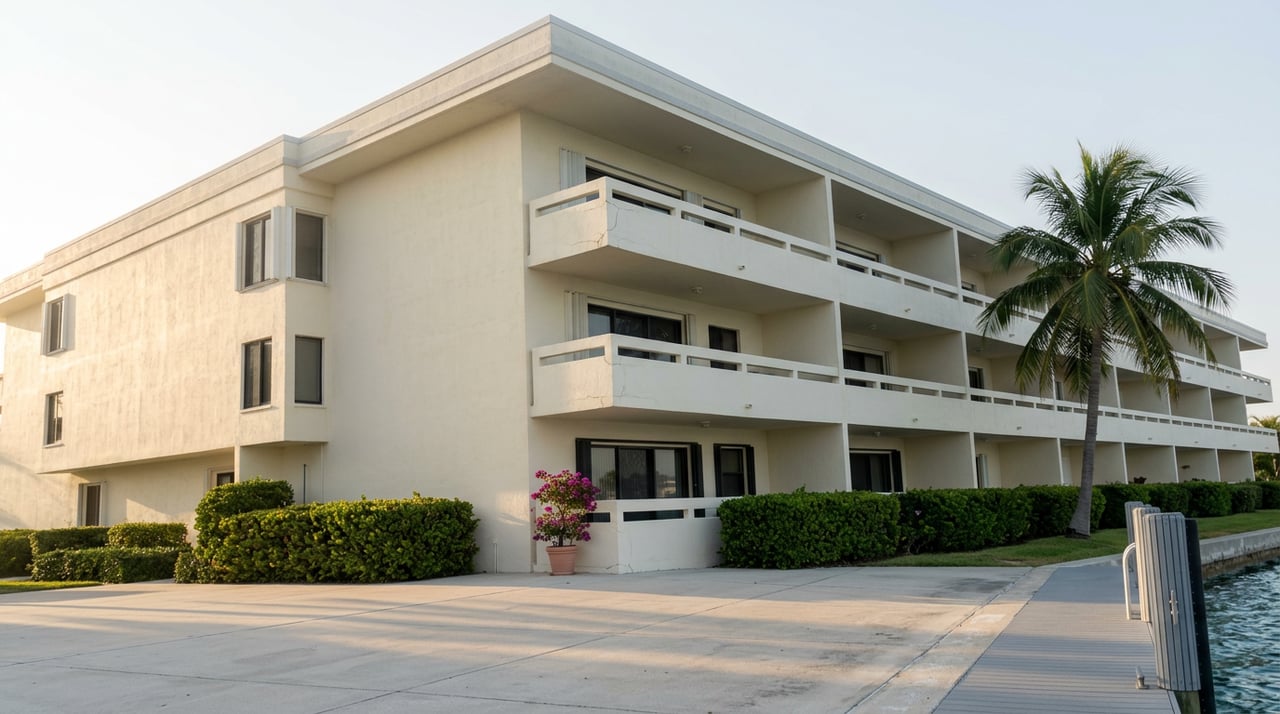
Because Cape Canaveral has many coastal condo buildings, and some may be older, building-condition review is a major part of buying wisely. A beautiful unit view does not replace careful review of inspections, reserves, and repair planning.
Florida now requires a structural integrity reserve study for each residential condo building that is three habitable stories or higher at least every 10 years. For associations controlled by unit owners on or before July 1, 2022, the study had to be completed by December 31, 2025.
The reserve study covers major components such as the roof, structure, fire protection, plumbing, electrical systems, waterproofing and exterior painting, and windows and exterior doors, along with certain other deferred-maintenance items. It must also reflect how the association plans to fund repairs through regular assessments, special assessments, lines of credit, or loans.
Florida also requires milestone inspections for condo and co-op buildings that are three habitable stories or more. These inspections are due by the end of the year the building turns 30, and then every 10 years after that, with special timing rules for buildings already in the inspection window.
What to Request Before You Buy
If you are comparing Cape Canaveral condos for seasonal use, ask for more than the standard listing sheet. A stronger review usually includes these items:
- The latest reserve study
- The latest milestone inspection summary
- Any pending engineering reports or repair follow-up
- The current budget and annual financial statement
- Information on current or planned special assessments
- The full set of condo rules and use restrictions
These details can help you spot the difference between a condo that feels easy to own and one that may bring more cost or uncertainty than expected.
Insurance Questions for Seasonal Owners
Insurance deserves close attention when you are buying near the coast. Florida consumer guidance makes clear that flood insurance is separate from a standard homeowners or condo-unit policy.
Many flood policies in Florida are written through the National Flood Insurance Program or private flood insurers. Florida guidance also notes that flood risk is not limited to coastal properties, and Citizens states that a condo unit policy does not cover damage from rising water.
For a seasonal condo in Cape Canaveral, that means you should confirm both the association’s master policy and your own unit-owner coverage. It is also wise to review deductibles and ask what flood, wind, and hurricane-related protections you may need to add individually.
Rental Plans Need a Local Rules Check
Some buyers want a seasonal escape they can also rent out when they are away. If that is part of your plan, Cape Canaveral’s city rules need to be reviewed early, along with the condo association’s own restrictions.
The city requires vacation-rental registration before operating a unit as a vacation rental and again before each subsequent October 1. The city also requires a booking log to be kept for three years, prohibits independently renting rooms apart from the entire dwelling unit, and preserves a minimum seven-consecutive-day rental restriction in section 110-487.
That means your rental idea needs to work on two levels. First, it must fit the city’s rules. Second, it must fit the building’s rental minimums, occupancy limits, guest policies, and any other association restrictions.
Smart Questions to Ask About Any Condo
When you tour or compare properties, keep your questions practical and specific. A seasonal condo should support your lifestyle, but it should also make sense on paper.
Here are a few questions worth asking:
- What does the monthly condo fee cover?
- What maintenance items remain the owner’s responsibility?
- Is the building subject to milestone inspection and reserve study requirements?
- Are there current or planned special assessments?
- Are records available electronically for remote review?
- How does the association handle leaks, storm issues, elevator outages, or urgent repairs?
- Do the building’s rental rules conflict with Cape Canaveral’s local vacation-rental rules?
- What insurance coverage does the association carry, and what do you need to add personally?
The Right Condo Should Match Your Use Pattern
Not every Cape Canaveral condo is a good fit for part-time ownership. Some buildings may better suit buyers who want simple lock-and-leave use, while others may require more hands-on attention because of maintenance responsibilities, inspection follow-up, or stricter rules.
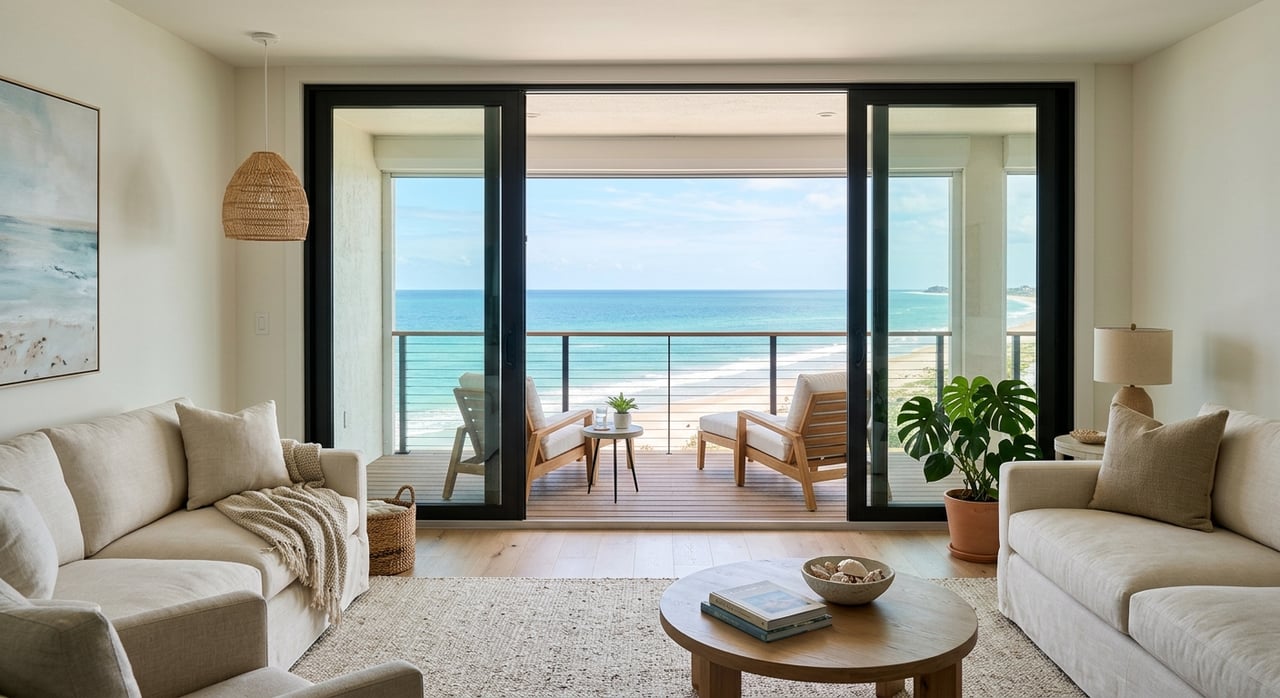
That is why your buying strategy should start with how you plan to use the property. If your goal is a seasonal retreat near the beach with easy access to cruises and launch activity, your search should focus on buildings that support that routine clearly and predictably.
With the right due diligence, a Cape Canaveral condo can offer exactly what many second-home buyers want: a coastal home base, a simpler ownership model, and a location with built-in reasons to come back throughout the year.
If you are thinking about buying a seasonal condo in Cape Canaveral, Diana Roca LLC can help you compare buildings, review the details that matter, and find a property that fits the way you want to live on the Space Coast.
FAQs
What makes Cape Canaveral condos appealing for seasonal owners?
- Cape Canaveral offers a coastal condo lifestyle with added event-driven appeal from Port Canaveral cruise traffic and officially announced launch activity tied to Kennedy Space Center.
What condo documents should you review before buying in Cape Canaveral?
- For a Florida resale condo, review the declaration, articles of incorporation, bylaws and rules, the most recent annual financial statement and annual budget, and the FAQ and answer document.
What should you ask about condo inspections in Cape Canaveral?
- Ask whether the building is subject to milestone inspection and structural integrity reserve study requirements, and request the latest reports, summaries, and any repair follow-up.
What insurance issues matter for a Cape Canaveral seasonal condo?
- You should confirm the association’s master coverage, your unit-owner policy, deductibles, and whether you need separate flood coverage because standard condo-unit policies do not cover damage from rising water.
What are Cape Canaveral vacation rental rules for condo owners?
- The city requires vacation-rental registration, annual renewal before each October 1, a three-year booking log, no separate room rentals, and a minimum seven-consecutive-day rental restriction in section 110-487.
How can remote owners review condo records in Florida?
- Florida law allows official association records to be maintained electronically, and owners can request access to records without giving a reason.