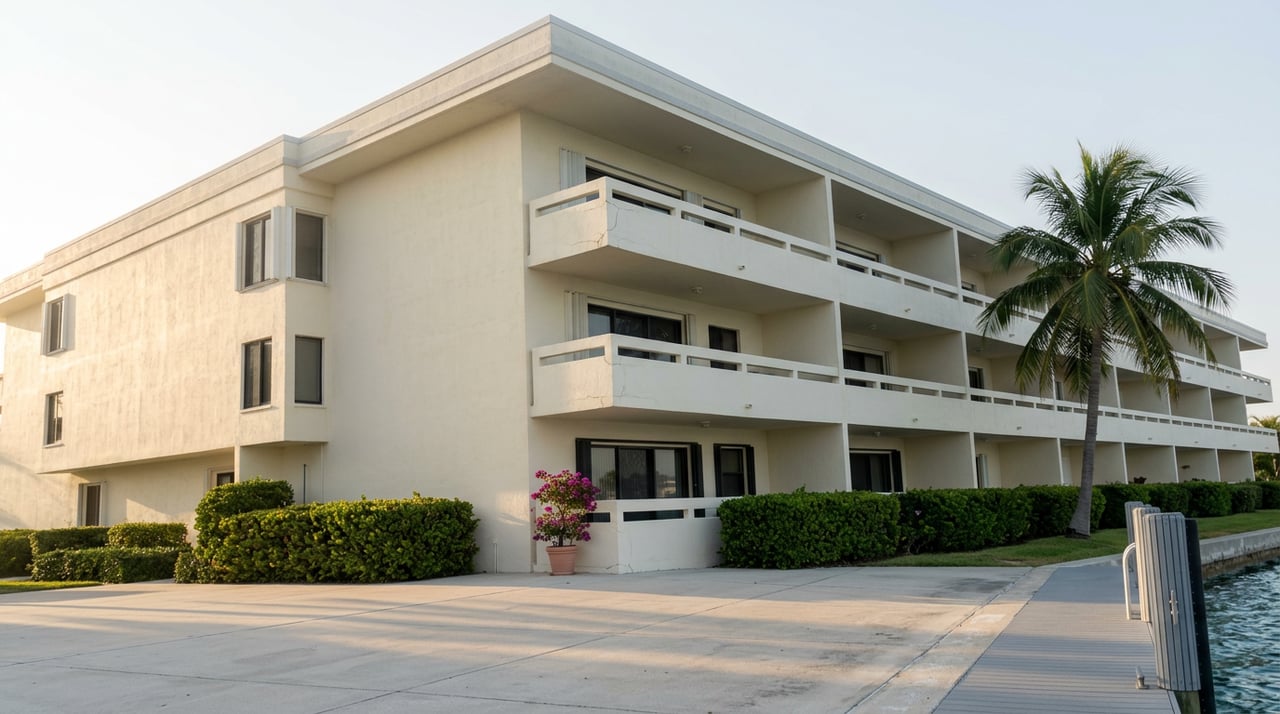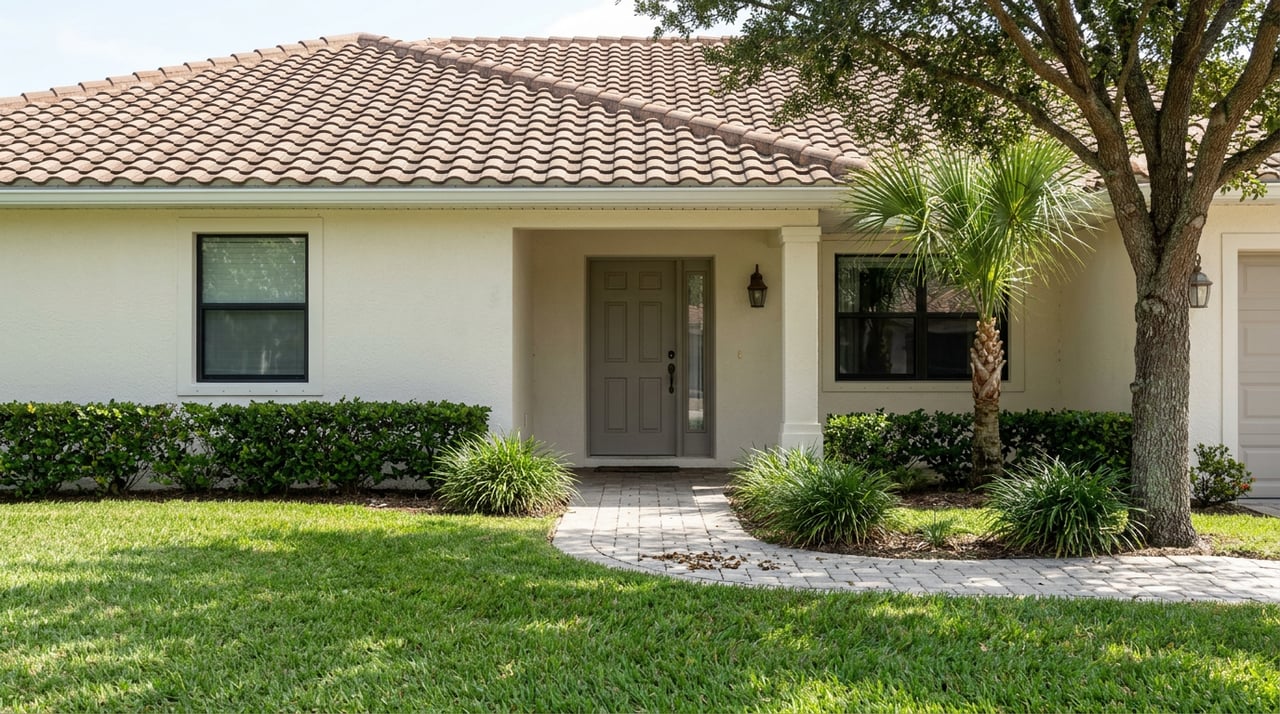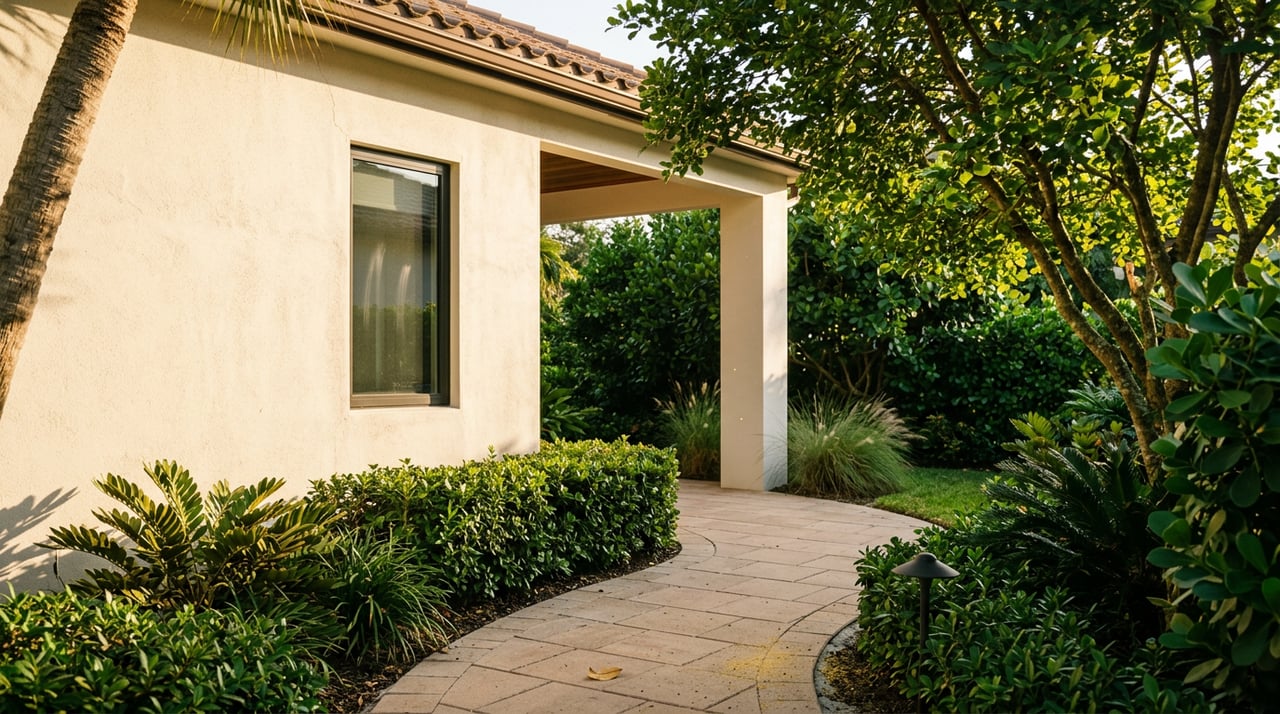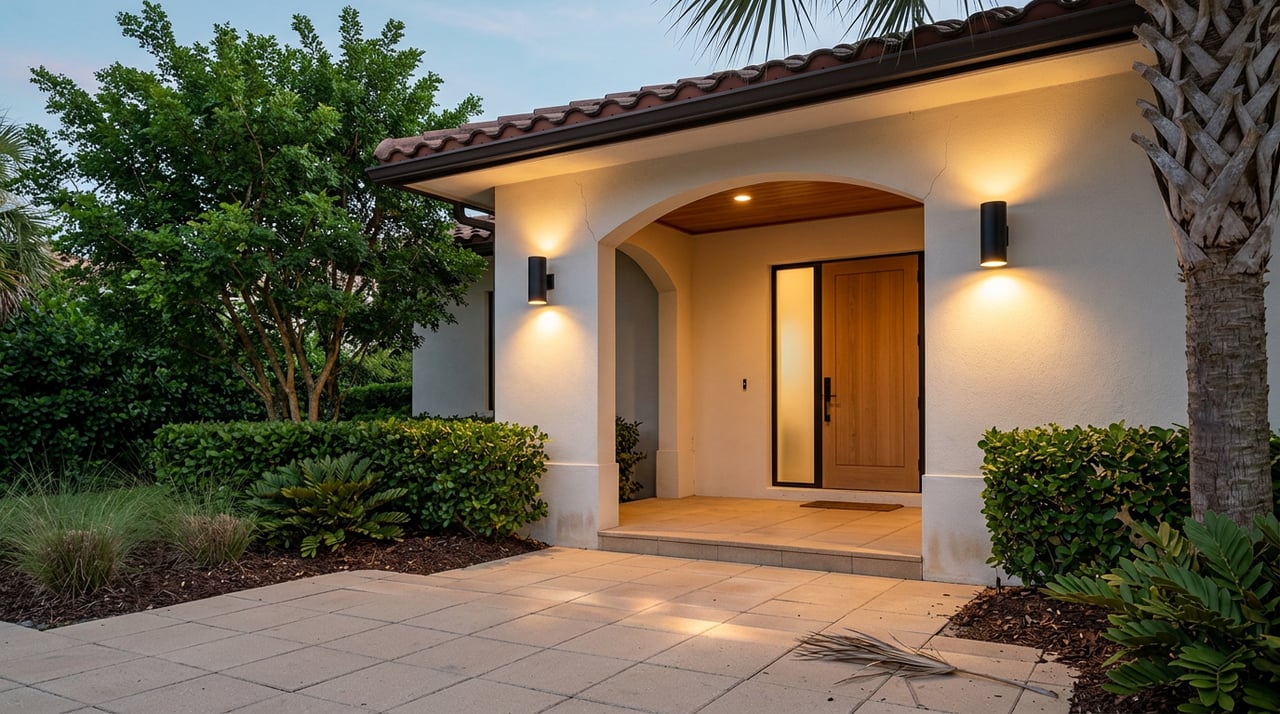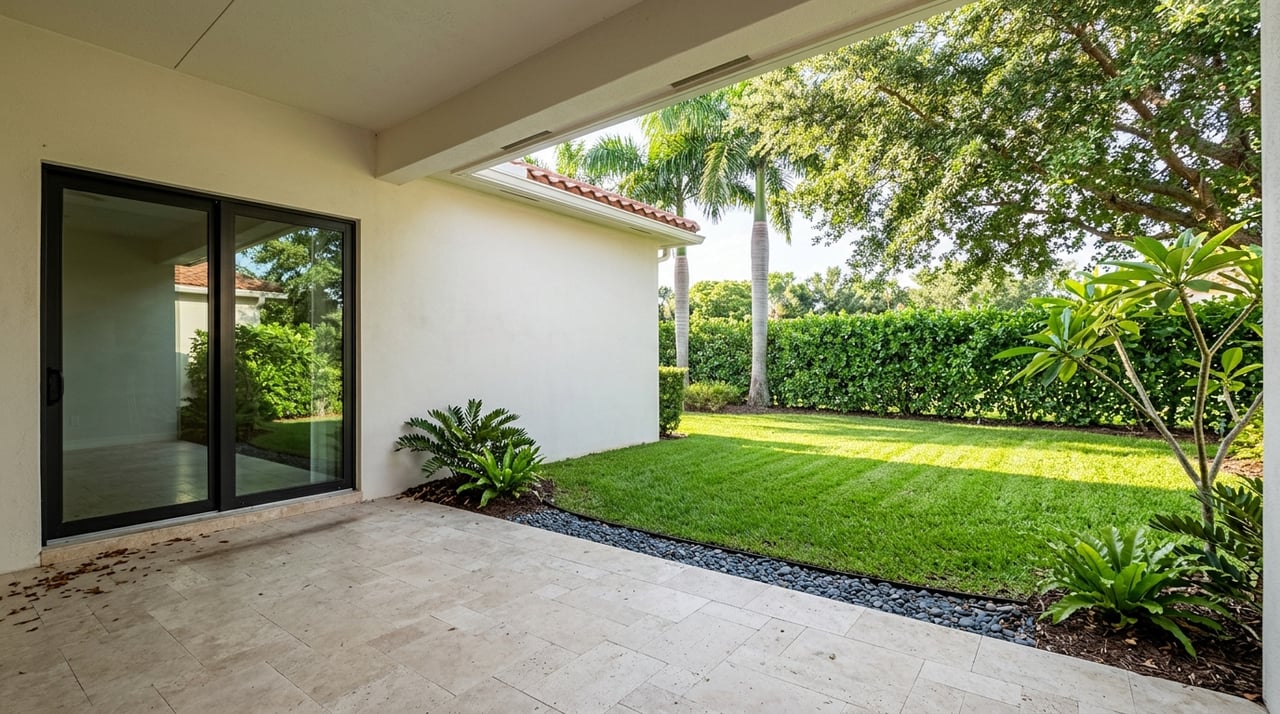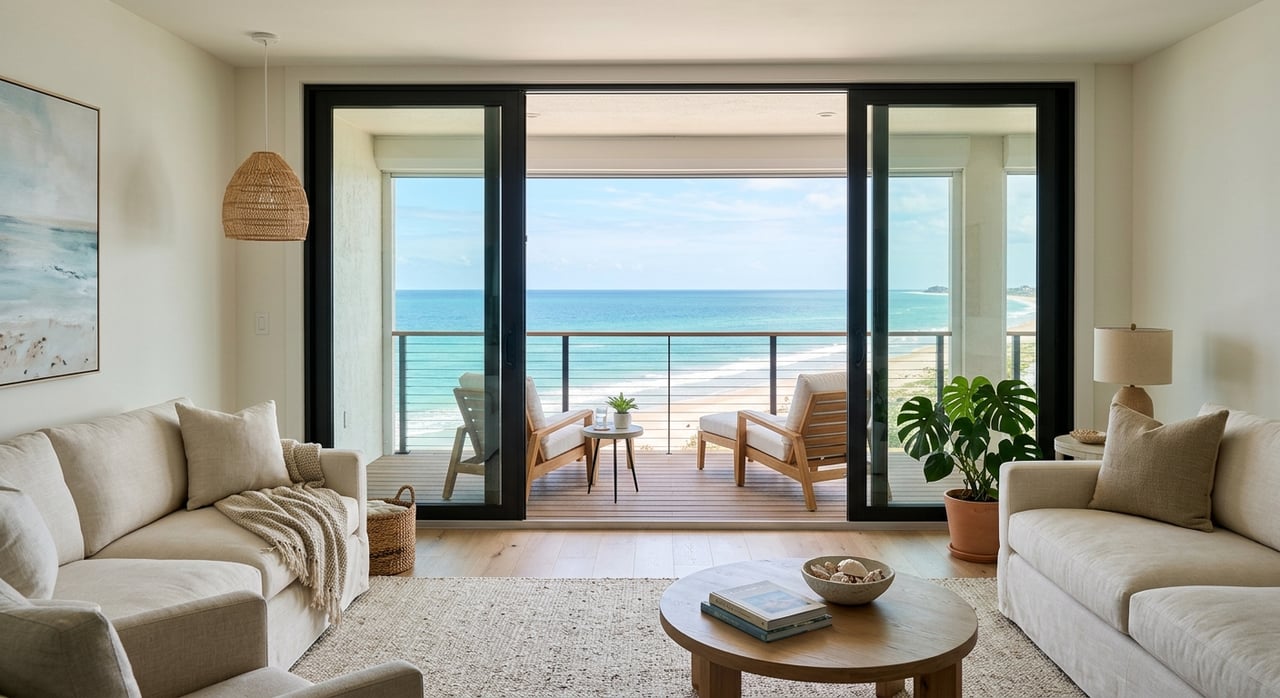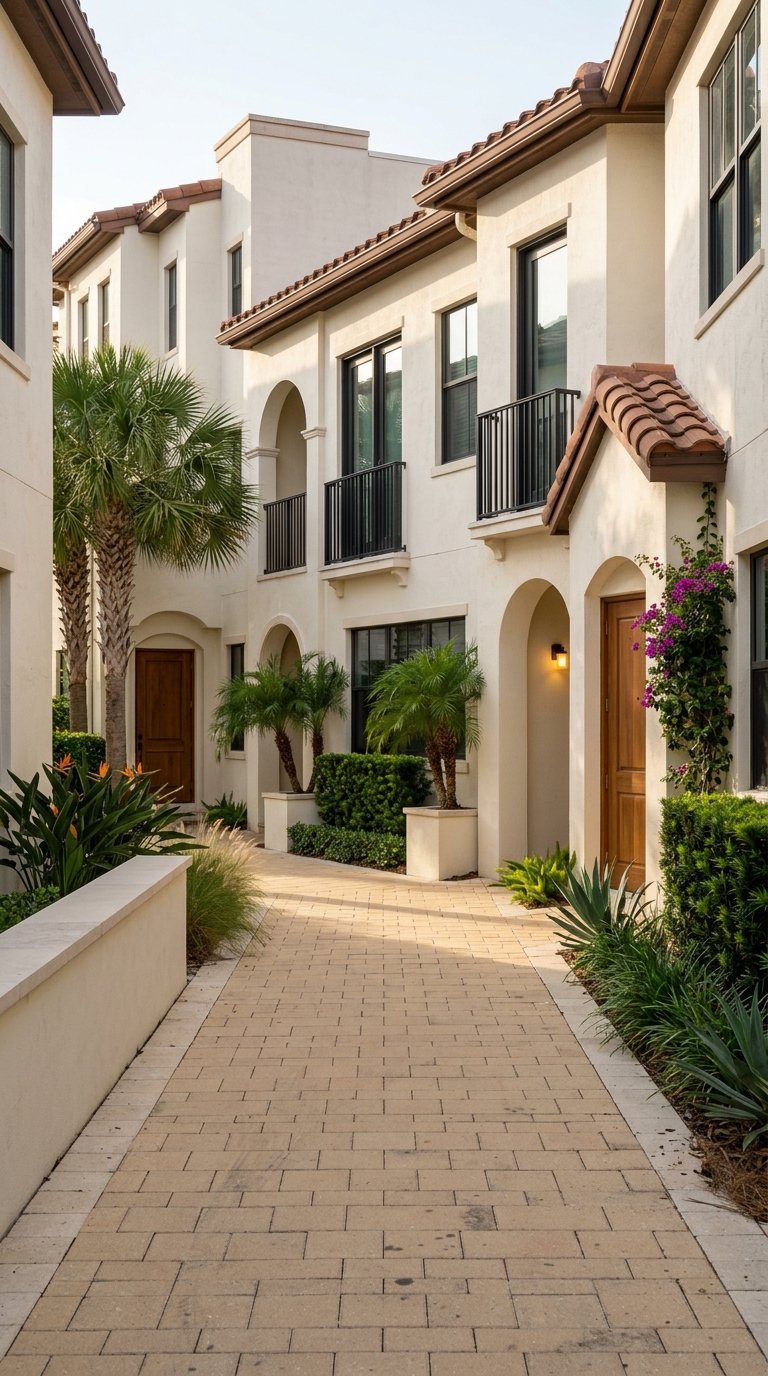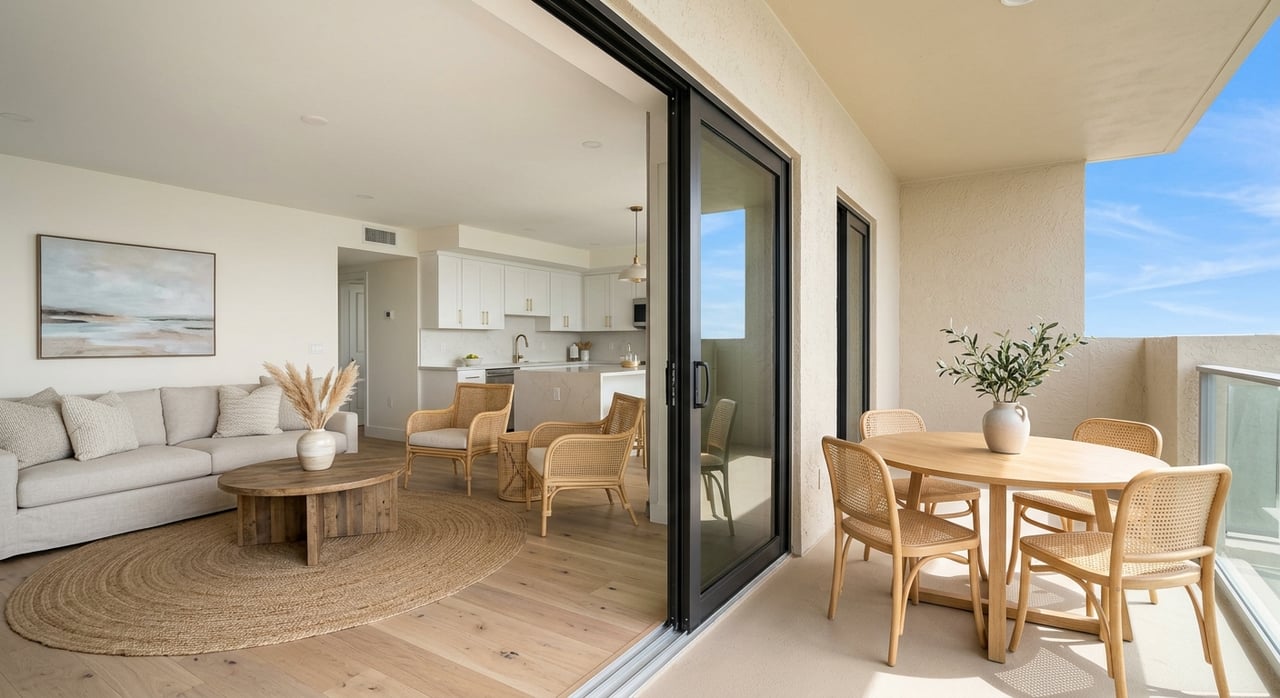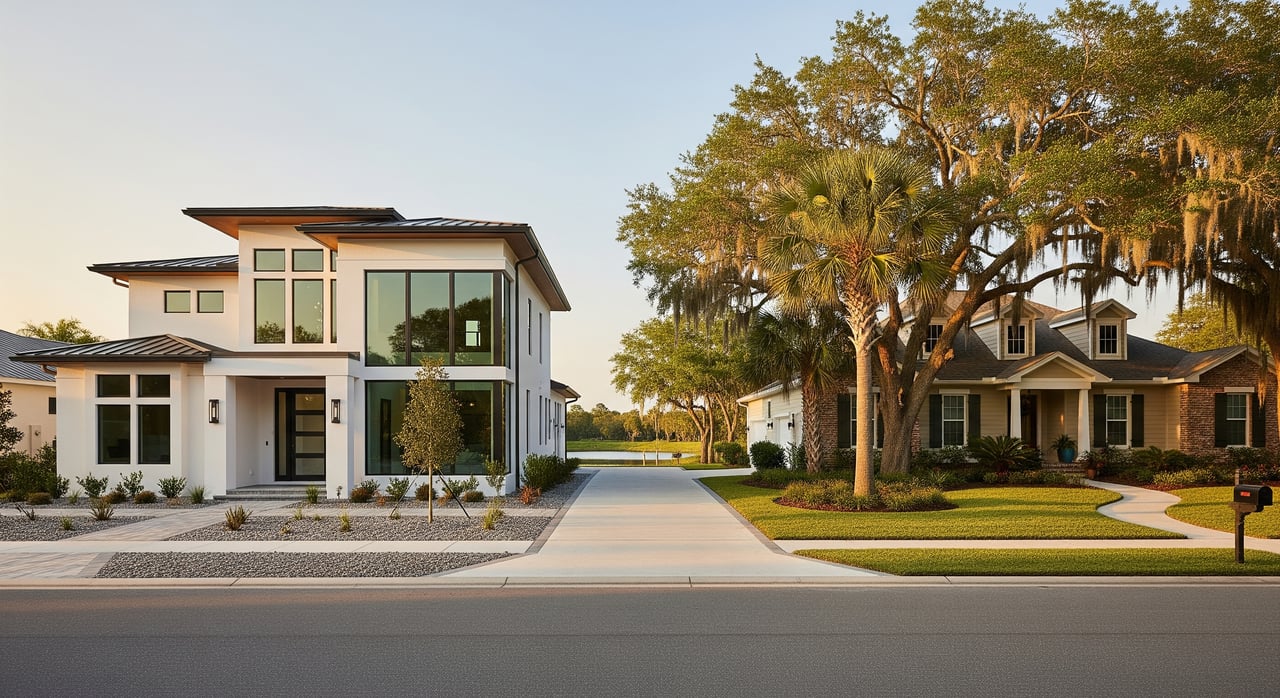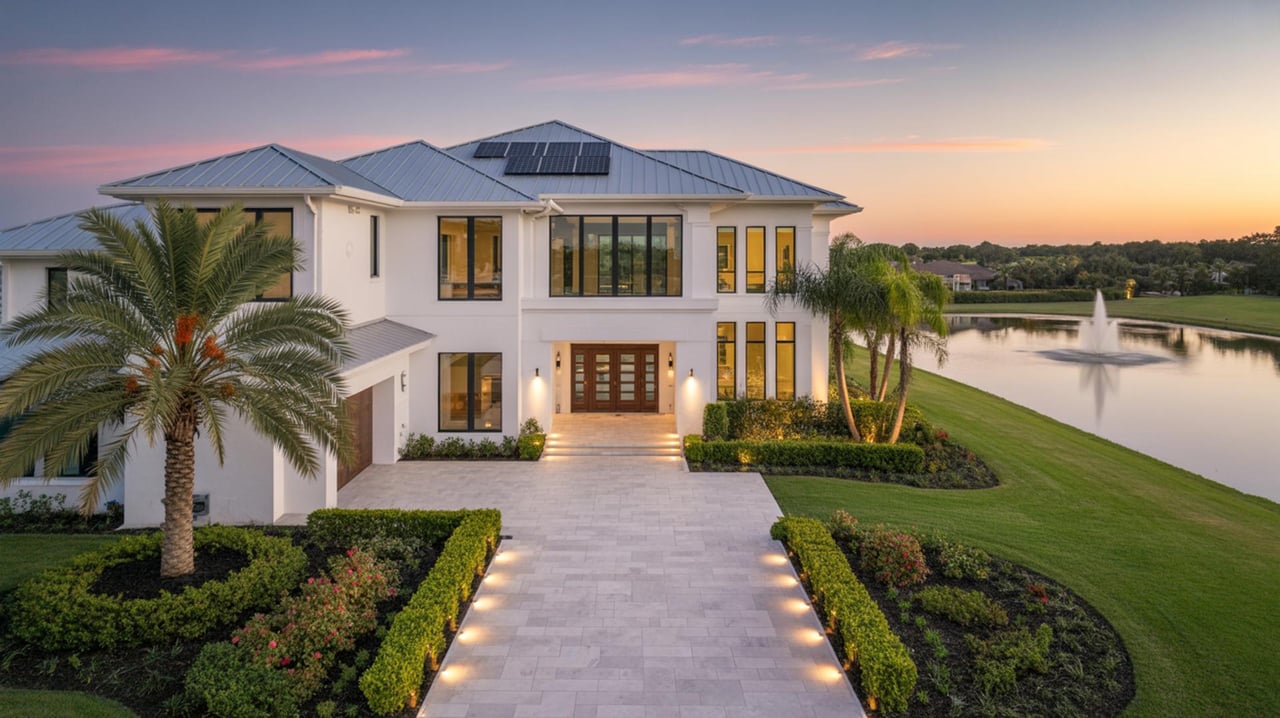
Scroll through condo listings in Cape Canaveral long enough and you'll find the trap. A two-bedroom near the beach at Canaveral Sands and a two-bedroom on the Banana River at Puerto del Rio can price out at nearly the same rate per square foot. Same city, same rocket-launch view line, similar distance to Port Canaveral. What the listing sheet won't tell you is that Canaveral Sands opened in 1981 and Puerto del Rio in 2006. Twenty-five years is not a rounding error in Florida condo law right now. It's the difference between a building that has already gone through a mandatory structural inspection and reserve overhaul, and one that still has years of runway before it has to.
That gap is the real number buyers should be pricing in this year, and the city's own listing data shows it's already happening.
The market is pricing condition, not just location
As of July 2026, the median list price for a Cape Canaveral condo sat at $325,000, down from $335,000 in July 2025. Over that same month, the median list price for a single-family home in the city stood at $800,000, a segment that has not seen anything like the condo pullback. That's an unusual split for a small barrier island market where houses and condos typically move together. When one property type softens while the other rises in the same zip code, something specific to that property type is doing the work. Here, the specific thing is what Florida statute 553.899 now requires condo buildings to prove about themselves.
What the certificate of occupancy actually controls
Florida's milestone inspection law ties the first mandatory structural inspection to a building's age, not its condition on paper. For buildings within three miles of the coastline, which covers essentially all of Cape Canaveral, that inspection is due at 25 years from the certificate of occupancy, then again every 10 years after. Buildings further inland get a 30-year runway. A structural review at year 25 sounds routine until you consider what it's checking for: decades of salt air, concrete exposure, and whatever maintenance got deferred along the way.
Layered on top of the inspection is the Structural Integrity Reserve Study, or SIRS, which prices out the future cost of eight specific components: roof, load-bearing structure, fire protection systems, plumbing, electrical, waterproofing, windows and exterior doors, and anything else likely to run over $25,000 to repair. Before 2022, Florida associations could vote to waive or underfund those reserves to keep monthly dues low. That option is gone for structural items. Whatever got deferred for two decades in some buildings is now due, either through a permanent increase in HOA dues or a one-time special assessment.
Here's how that plays out across a handful of Cape Canaveral's actual condo buildings:
| Building | Built or association formed | Age in 2026 | Past the 25-year coastal trigger |
|---|---|---|---|
| Canaveral Towers | 1974 | 52 years | Yes, by decades |
| Canaveral Sands | 1981 | 45 years | Yes |
| Shorewood Condos | 1998 | 28 years | Yes |
| Bayside Condominiums | 2003 | 23 years | Approaching |
| Puerto del Rio | 2006 | 20 years | Not yet |
A building that crossed the 25-year line years ago has already had its Phase 1 visual inspection and, if that flagged deterioration, a Phase 2 investigation with real repair costs attached. A building still a few years out has time, but not immunity. The SIRS mandate applies by height, not age, so even a newer three-story building needs a funded reserve study on file.
The deadlines that already passed
Two dates matter more than most listings mention. The original SIRS deadline for associations formed before July 2022 was pushed from December 31, 2024 to December 31, 2025 under a legislative fix known as HB 913. That grace period is over. Any qualifying association without a completed SIRS folded into its current budget is now out of compliance. Separately, HB 1021 requires associations with 25 or more units to post governing documents, budgets, and reserve studies online starting January 1, 2026. That's a real advantage for buyers. Paperwork that used to require a formal records request is now supposed to be sitting in a portal you can check before you ever write an offer, and you can confirm a specific building's inspection status directly with the Florida Division of Condominiums if the association's own portal is thin.
Cape Canaveral knows this problem from the inside
The city government wrestled with the same math this summer. In August 2026, Cape Canaveral's city council held a special hearing to weigh a property tax increase after officials disclosed a projected $4 million gap in the coming year's budget, tied to emergency reserves that had been drawn down over roughly the past decade, as ClickOrlando reported. Residents at that hearing pushed back on covering costs tied to prior leadership's spending decisions. City hall and condo boards both discovered the same lesson this year: skipping reserve funding doesn't make the cost disappear. It moves the bill to whoever is holding the property when the deferral runs out.
What to ask before you write an offer
The documents that used to be a courtesy request are now something you can expect to see:
- The current SIRS and the funding schedule behind it
- The most recent milestone inspection report, and whether it triggered a Phase 2 review
- The last 24 months of board meeting minutes, specifically any discussion of deferred maintenance or a vote between assessing owners and taking out a loan
- The reserve account balance measured against what the SIRS says it should be, not just the number in the marketing brochure
A building can look identical to its neighbor in every listing photo and still carry a five-figure difference in what you'll owe by year two of ownership. That's not a reason to avoid Cape Canaveral's older buildings. Some have already done the expensive work and come out the other side with a clean inspection and a funded reserve, which is its own kind of value. It's a reason to ask the building's age before you ask about the countertops.
A few questions worth settling early
Does a newer building mean no assessment risk at all? No. The SIRS requirement is tied to height, not age, so even a condo building finished in the last five years needs a funded reserve study on file. It just won't face the 25-year milestone inspection trigger for a while yet.
What's the real difference between HOA dues and a special assessment? Dues are the ongoing monthly cost that's supposed to include reserve contributions. A special assessment is a one-time bill the association levies when the reserve account can't cover a needed repair on its own, whether from a thin starting balance or a project that came in over budget.
Is the three-mile coastal rule really the whole city? Cape Canaveral is a narrow barrier island, and the great majority of its residential buildings fall within three miles of the Atlantic coastline, which is why the 25-year trigger, not the 30-year inland one, is the relevant standard for most condos here. Confirm the specific address with the city's building department if you're weighing an offer on a borderline case.
Building age isn't a filter on most home search sites, but it predicts your actual cost of ownership better than the number on the sign does. If you're comparing units across Cape Canaveral and want someone to read the reserve study and the board minutes with you before you write an offer, that's exactly the kind of homework Diana Roca does for buyers on the Space Coast. And if you already own in one of the city's older buildings and want a clear-eyed read on what these new rules mean for resale, get your free Home Valuation from Diana to start the conversation.