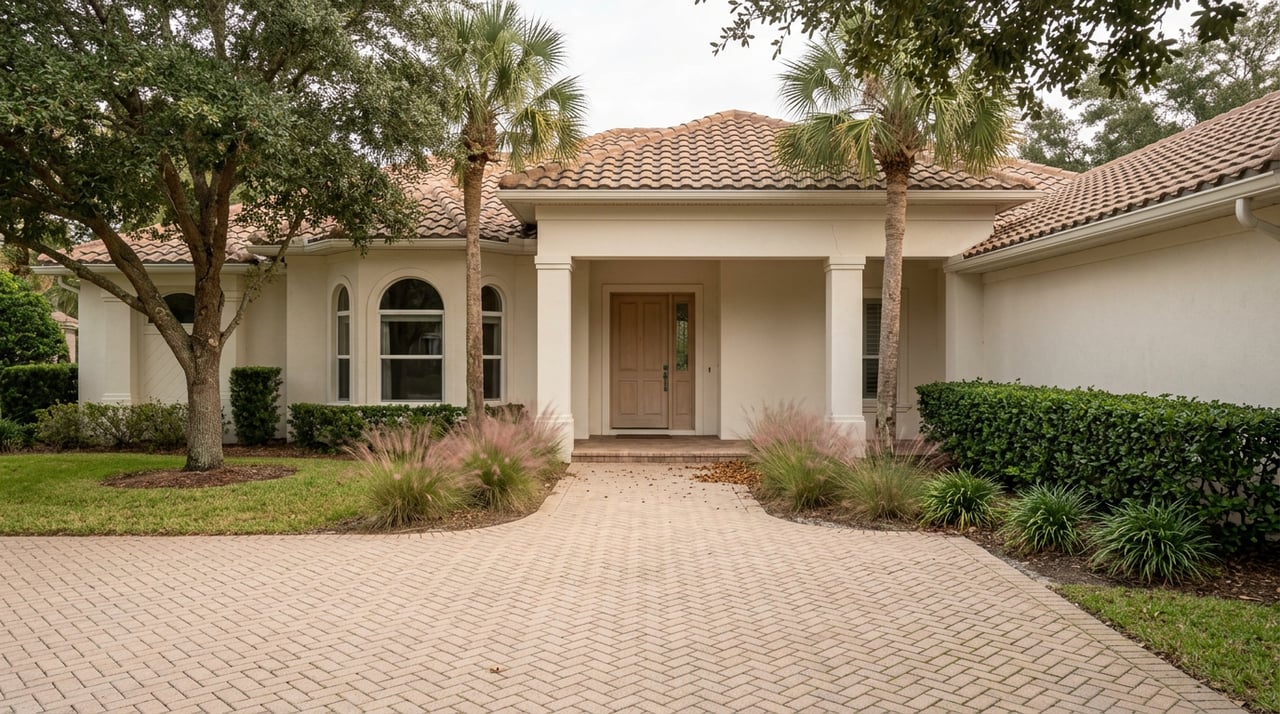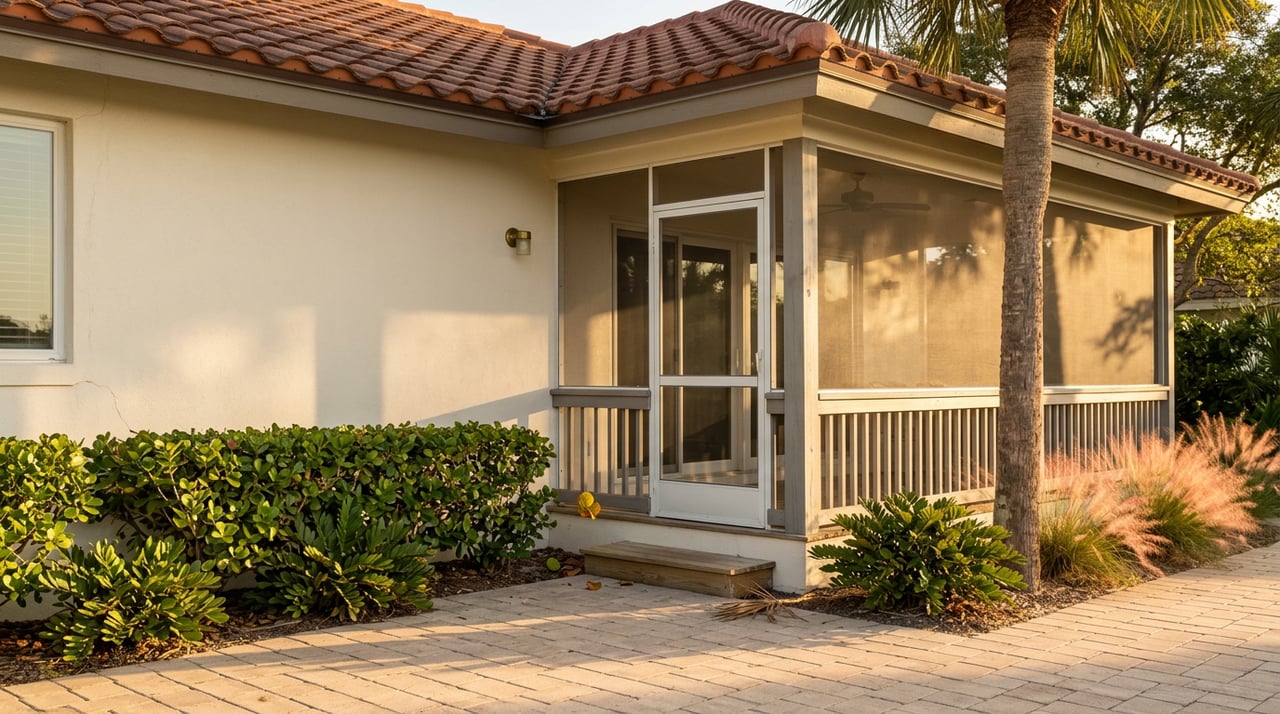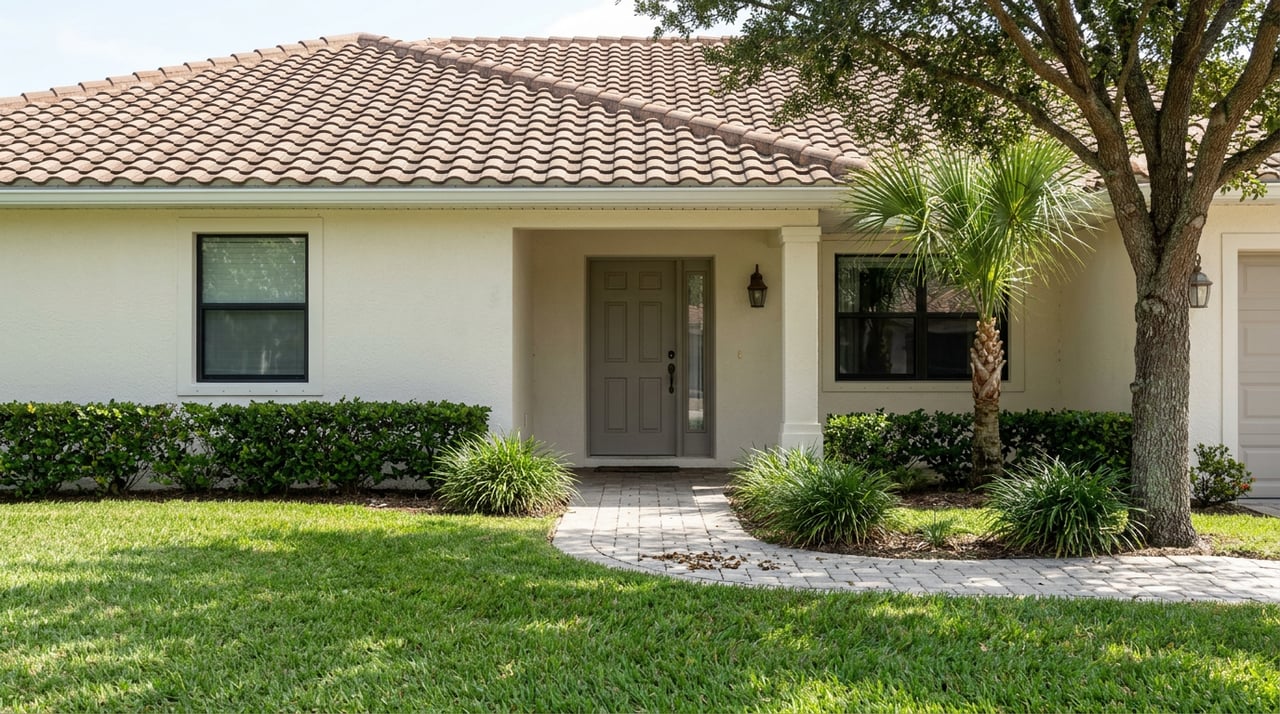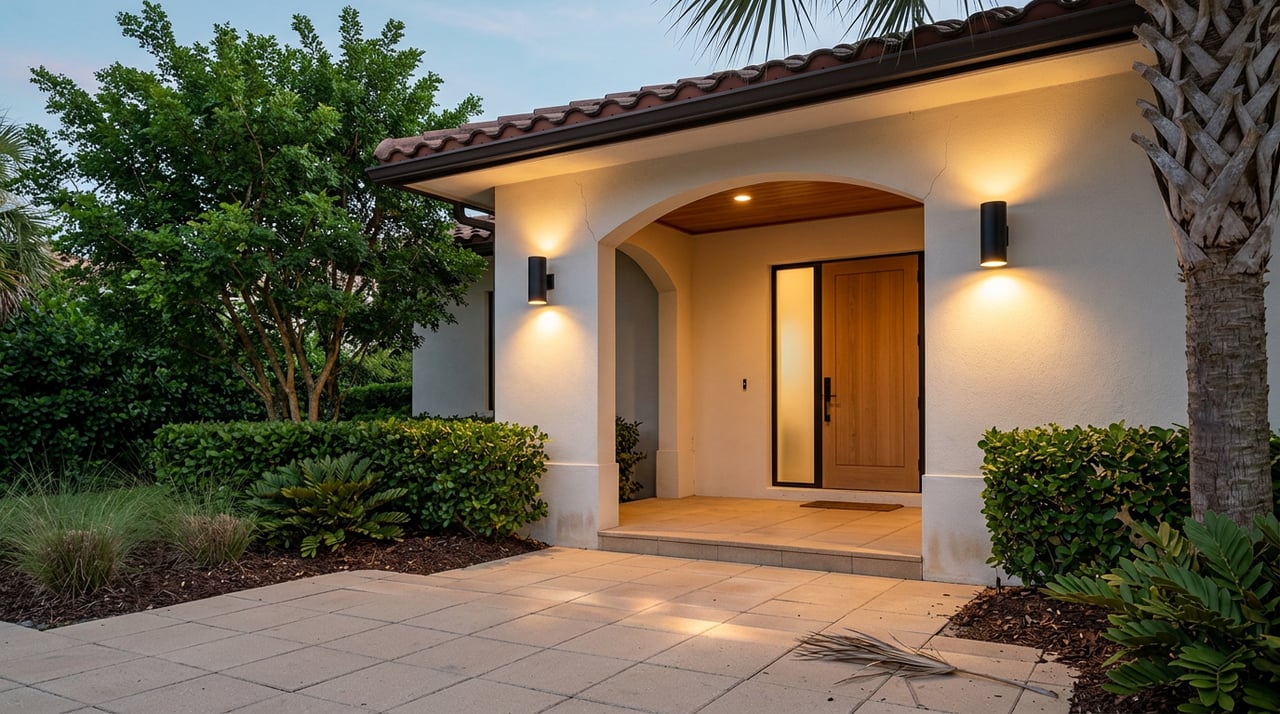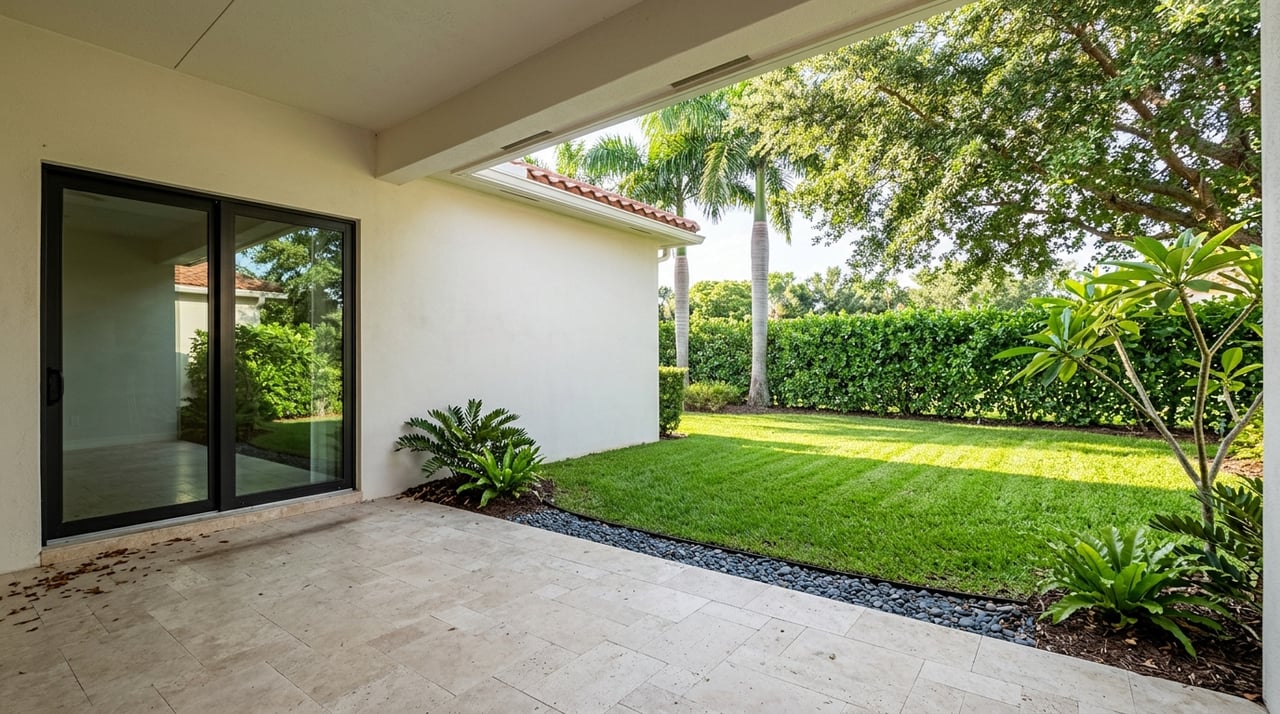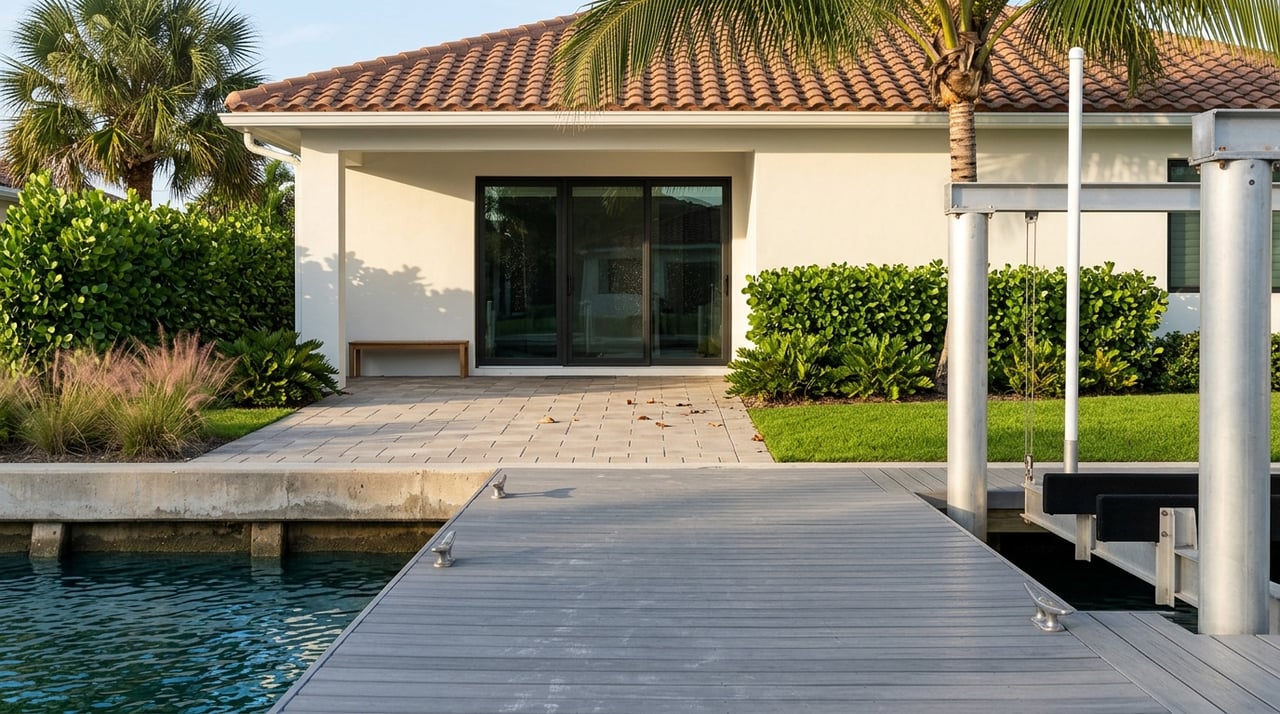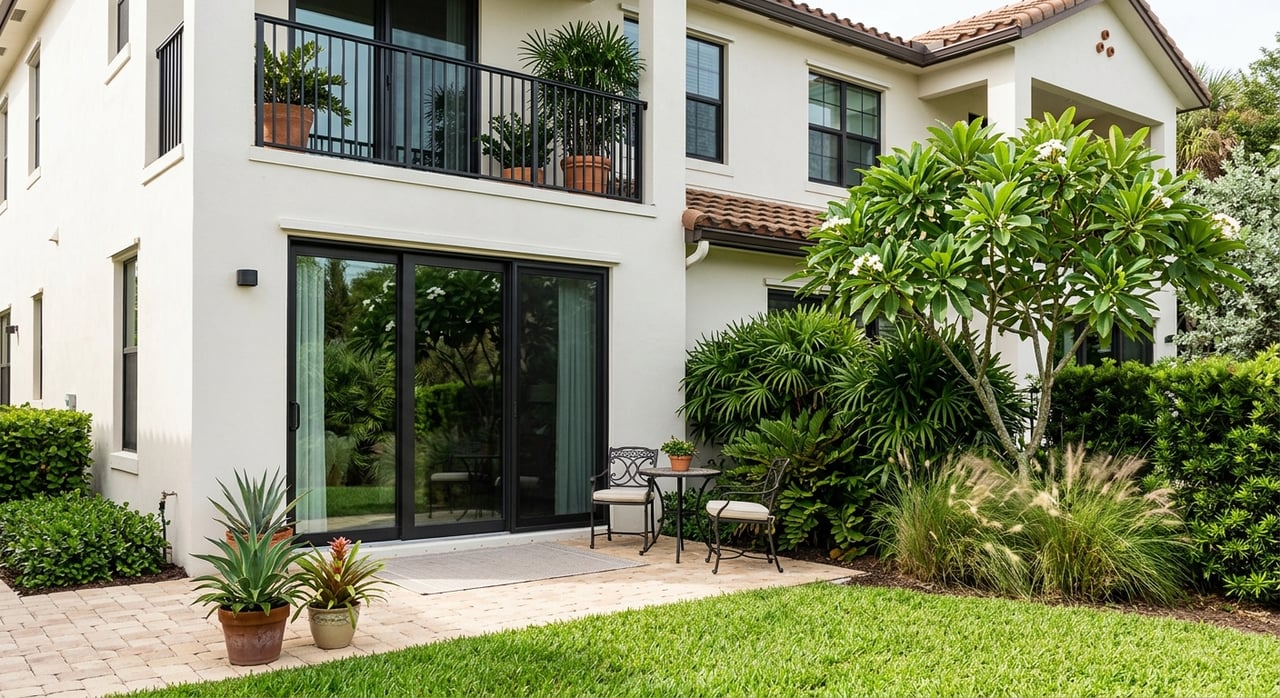
Trying to decide between a condo and a townhome in Melbourne? You are not alone. On Florida’s Space Coast, both options can offer a lower-maintenance lifestyle, but they can feel very different once you look at ownership, monthly costs, and day-to-day living. If you want to make a smart move, the key is to compare how each property works in real life, not just how it is labeled. Let’s dive in.
Why the condo vs. townhome choice matters
In Melbourne, this decision is about more than style or square footage. It affects who handles repairs, what your monthly dues cover, how insurance may work, and what kind of lifestyle you enjoy.
A condo often feels closer to a shared-building purchase. A townhome often feels more like owning a house within an HOA. That said, the label alone does not tell the full story. In Florida, the recorded declaration and community documents are what define ownership and maintenance responsibilities.
Ownership works differently
How condo ownership is structured
In Florida, condo ownership usually means you own your individual unit plus an undivided share of the common elements. The condo association is generally responsible for maintaining the common elements and other property assigned to it by the governing documents.
That setup can appeal to buyers who want less responsibility for exterior upkeep. It can also be helpful if you prefer shared amenities and a more lock-and-leave feel.
How townhome ownership is structured
Many Melbourne townhomes are organized under an HOA structure. In those communities, the declaration and HOA rules control the shared areas and may assign responsibility for roofs, structural components, and other improvements either to the association or to you as the owner.
That is why two townhome communities can operate very differently. One may cover exterior maintenance, while another may place more responsibility on each owner.
Why documents matter more than labels
If you remember one thing, make it this: do not assume a condo or townhome comes with a standard maintenance setup. In Melbourne, the recorded documents tell you who maintains the roof, exterior walls, landscaping, and certain repairs.
This is especially important when you are comparing properties with similar prices. A lower purchase price may not mean a lower long-term cost if your maintenance obligations are greater.
Monthly costs are not just the mortgage
One of the biggest mistakes buyers make is comparing only the list price. With condos and townhomes, your true monthly cost usually includes mortgage, taxes, insurance, and association dues.
Those dues are typically paid separately from your mortgage. They can range from a few hundred dollars a month to more than $1,000, so they can change the affordability picture quickly.
What condo fees may cover
In many condos, dues may help cover common-area maintenance and other building-related costs assigned to the association. Depending on the community documents, that can include things that buyers of detached homes often handle on their own.
This can make condo living feel simpler on a day-to-day basis. But you still need to understand exactly what is included and what is not.
What townhome dues may cover
Townhome HOA dues can also cover shared amenities and certain maintenance items. But just like with condos, coverage varies by community.
Some townhome communities may include more exterior care, while others may focus mainly on amenities or shared spaces. You need the budget details and governing documents to make a fair comparison.
Insurance and maintenance can look very different
Condo insurance basics
Florida condo law requires associations to carry property coverage for the condominium property they are responsible for insuring. At the same time, unit owners usually insure personal property and many interior items that fall outside association coverage.
That means your policy and the association’s policy work together, not interchangeably. Before you buy, it helps to ask what the association insures versus what you would need to cover yourself.
Townhome insurance and repair questions
With a townhome, insurance and repair duties can vary more from one community to the next. The HOA documents may assign some responsibilities to the association and others to the parcel owner.
That is why townhome buyers should not assume the community handles the roof or exterior. You want clear answers before you commit.
Melbourne location patterns can shape your choice
Melbourne’s geography plays a big role in how condos and townhomes show up in the market. The city spans mainland and barrier-island settings, with the Indian River Lagoon helping shape lifestyle preferences and development patterns.
The city also describes its historic downtowns as places with entertainment and retail activity, and local redevelopment work has improved streets, sidewalks, parking, and public spaces in areas such as Downtown Melbourne and Olde Eau Gallie.
Where condos often stand out
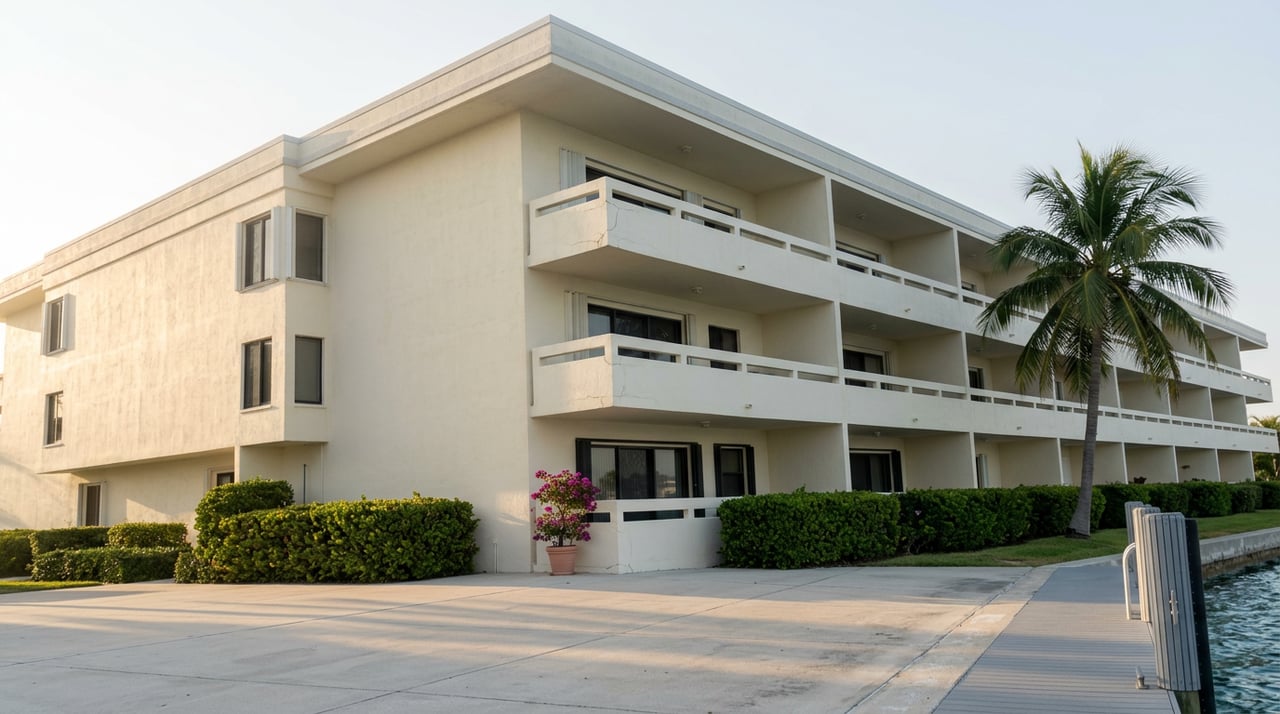
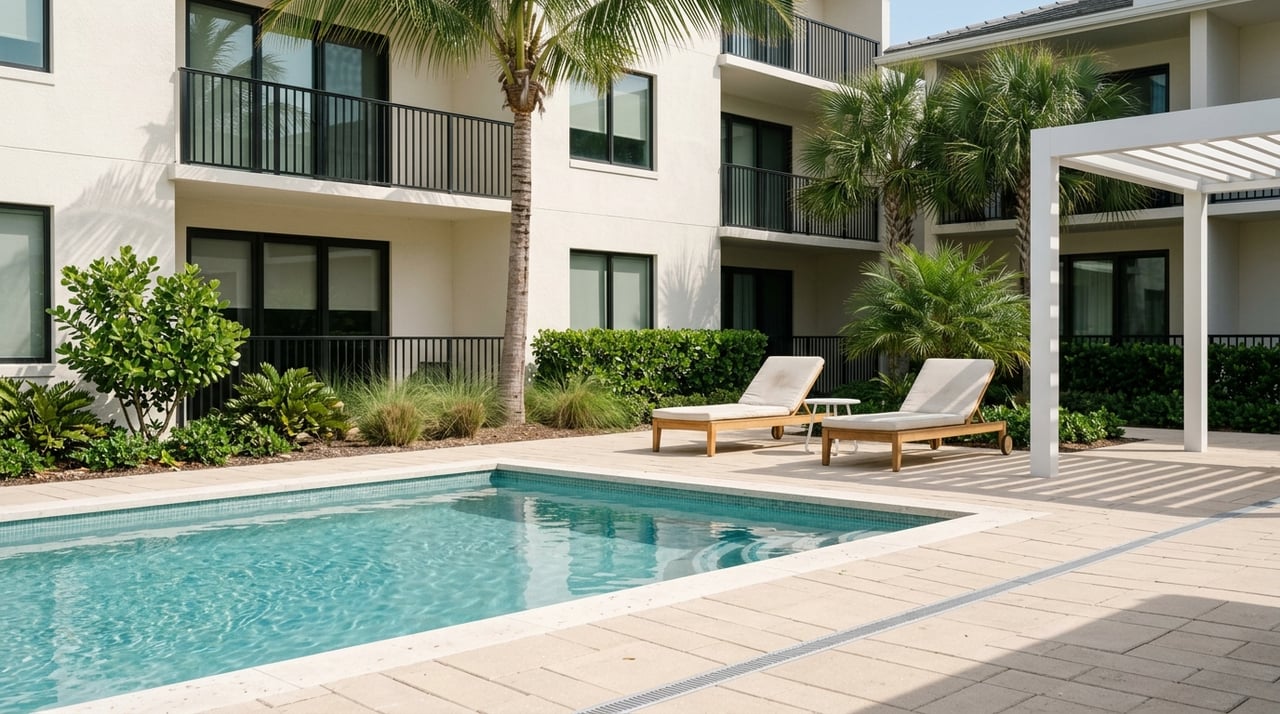
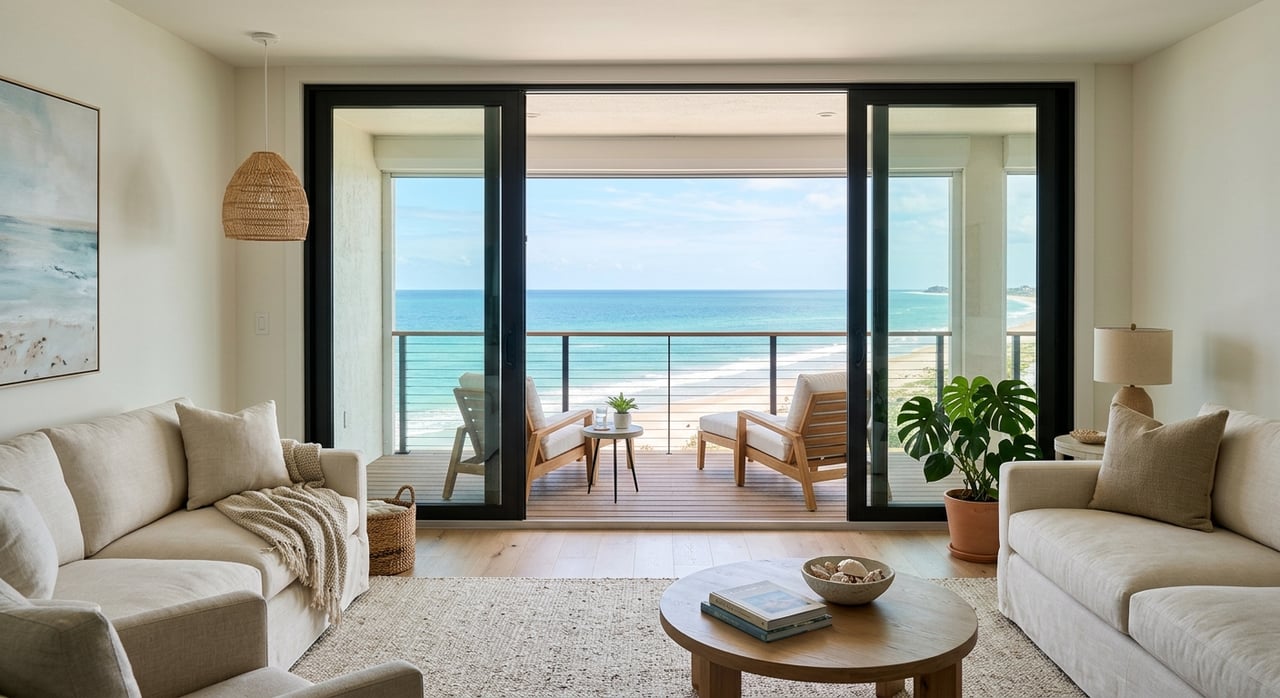
In Melbourne, condos are especially visible near downtown, riverfront, and beach-oriented settings. Current examples include waterfront and riverfront projects that highlight features like covered parking, gated entry, heated pools, and private rooftop terraces.
That pattern suggests condos often lean into lifestyle packaging tied to views, walkability, and lower-maintenance living. It is a trend, not a rule, but it can help you narrow your search.
Where townhomes often stand out
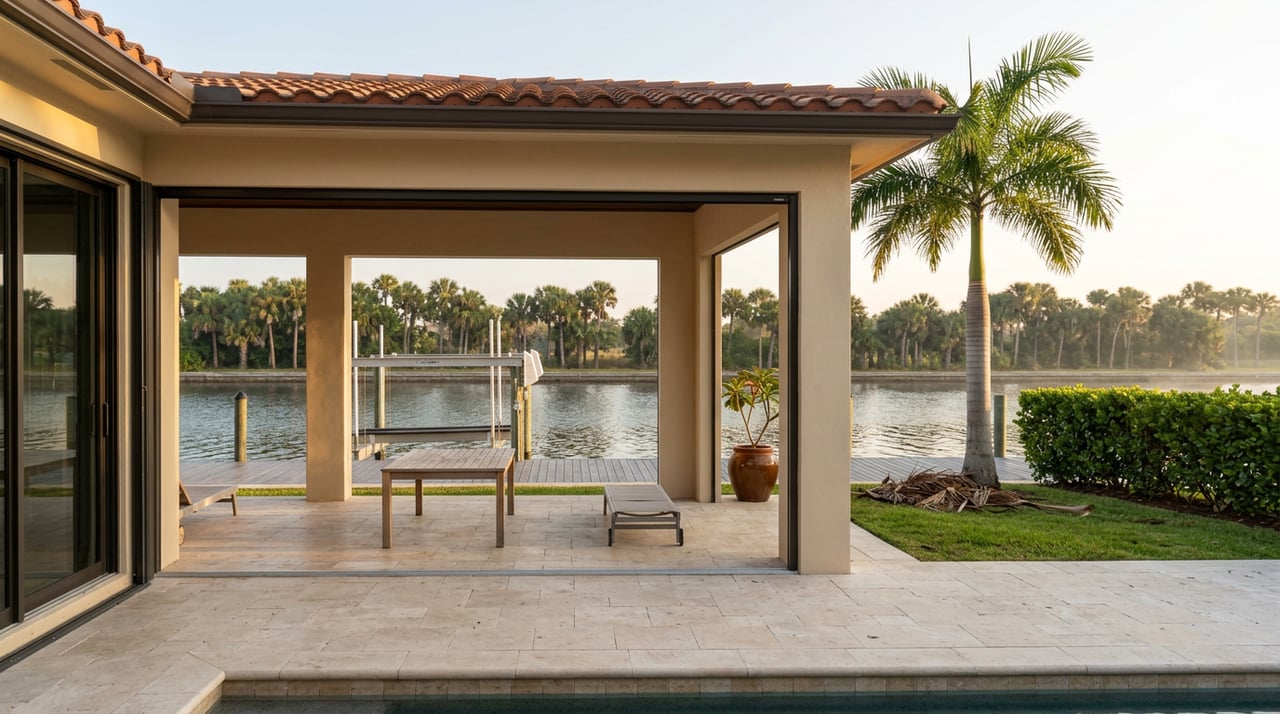
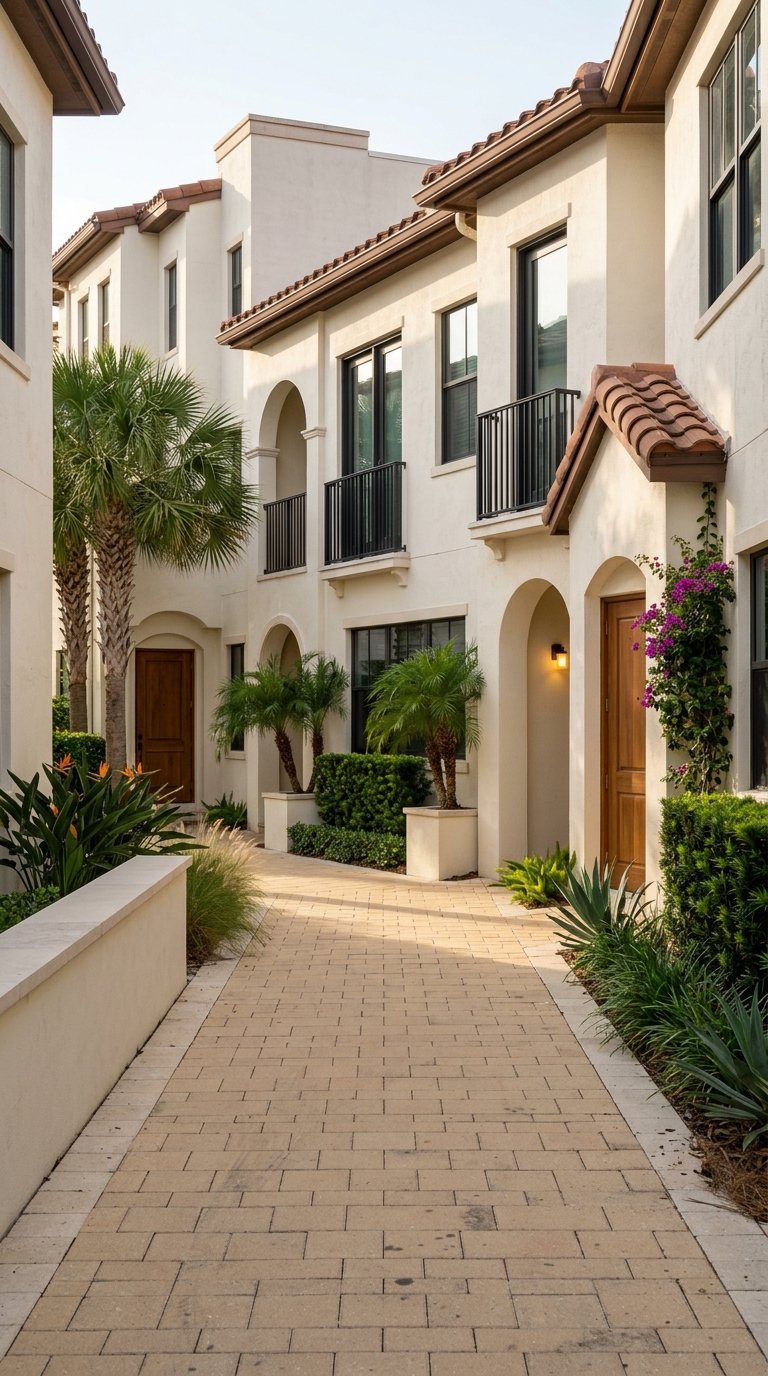
Townhomes in Melbourne often appear in gated waterfront pockets or planned communities west of US-1. Local examples highlight features such as attached two-car garages, two-story layouts, pools, clubhouses, and community docks.
That tends to attract buyers who want a little more privacy and a more house-like floor plan. If garage space and separation matter to you, a townhome may feel like the better fit.
Lifestyle fit: which one matches your goals?
Condos may fit you if you want ease
A condo may be a strong fit if you want a lock-and-leave lifestyle, less yard work, shared amenities, and easy access to downtown or waterfront settings. In Melbourne, that often appeals to seasonal residents, downsizers, and buyers focused on views, convenience, or elevator access.
If your goal is simple living with fewer exterior chores, a condo may check the right boxes. Just make sure the monthly dues and building rules align with your budget and plans.
Townhomes may fit you if you want more of a house feel
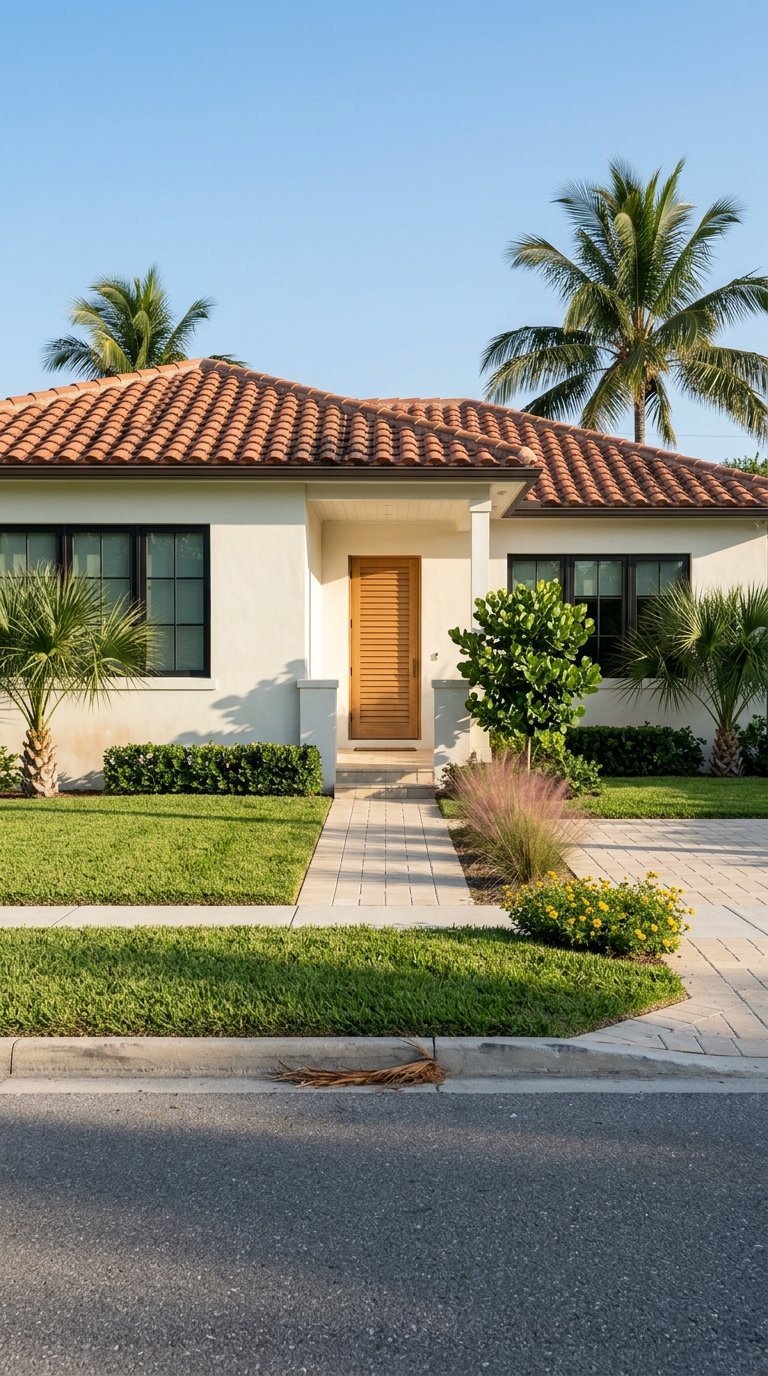
A townhome may be a better match if you want more privacy, an attached garage, or a layout that feels more like a traditional home. In Melbourne, that often appeals to buyers looking for extra space without taking on the full upkeep of a detached home.
This can be a smart middle ground if you want community amenities but still value a more private entry and a more residential feel. As always, the HOA documents will tell you how much upkeep is truly off your plate.
Florida-specific issues to review closely
Condo inspection and reserve rules
In Florida, some residential condo and co-op buildings that are three or more habitable stories are subject to milestone inspections at certain ages and a structural integrity reserve study every 10 years. Buildings under three stories are excluded from the reserve-study requirement described in the research.
For buyers, this matters because added inspection and reserve obligations can affect dues and future assessment risk. If you are considering a condo in Melbourne, ask whether the building falls under these rules and what the association has already completed.
Flood and wind exposure
In coastal Brevard, flood and wind exposure should be part of your decision. The county maintains official FEMA flood-zone maps and wind-speed maps, which can help you review a property by address.
This is useful whether you are comparing a riverfront condo, a downtown property, or a townhome farther inland. A home’s location can influence insurance needs, ownership costs, and your comfort level with the tradeoffs.
Homestead exemption for primary homes
If the property will be your primary residence, Brevard County notes that an owner-occupied homestead exemption can reduce taxable value. That can make a meaningful difference when you compare long-term ownership costs.
If you are relocating or buying your first primary home in Melbourne, this is one more reason to look beyond the sticker price. Your tax picture may be different depending on how you plan to use the property.
Questions to ask before you choose
Before you narrow your search, ask these questions for every condo or townhome you seriously consider:
- Who is responsible for the roof, exterior walls, landscaping, and water intrusion repairs?
- What do the monthly dues cover?
- Are reserves funded, and is there any known special assessment risk?
- Does the property fall under condo milestone inspection or reserve study rules?
- Is the home in a flood zone or a higher wind-exposure area?
- If this will be your primary residence, how could homestead exemption affect taxes?
These questions can save you from surprises later. They also help you compare two properties fairly, even when one looks more attractive at first glance.
The best way to compare condos and townhomes in Melbourne
The simplest rule is to compare total monthly cost and daily lifestyle side by side. Price matters, but so do dues, insurance, maintenance obligations, location, and how you actually want to live.
In Melbourne, condos often appeal to buyers who want convenience, amenities, and riverfront or downtown access. Townhomes often appeal to buyers who want garages, privacy, and a more house-like setup. Neither is automatically better. The right choice is the one that fits your budget, routine, and comfort with shared ownership rules.
If you want help comparing Melbourne condos and townhomes with a local, practical lens, Diana Roca LLC can help you sort through the details and find the right fit for your goals.
FAQs
What is the main difference between a Melbourne condo and a Melbourne townhome?
- In general, a condo gives you ownership of your unit plus a share of common elements, while a townhome often functions more like a house within an HOA. The governing documents determine who maintains what.
Are condo fees and townhome HOA dues included in a Melbourne mortgage payment?
- Usually, no. Association dues are commonly paid separately from your mortgage, so you should calculate them as part of your full monthly housing cost.
Do Melbourne condo owners handle their own insurance?
- Yes, but only for certain items. In Florida, condo associations insure the condominium property they are responsible for, while unit owners generally insure personal property and many interior items outside that coverage.
Are all Melbourne condos subject to Florida milestone inspections and reserve studies?
- No. According to the research, residential condo and co-op buildings that are three or more habitable stories may be subject to milestone inspections and structural integrity reserve study rules, while buildings under three stories are excluded from the reserve-study requirement noted.
Is a Melbourne townhome always easier to maintain than a detached house?
- Not always. Some townhome communities assign more exterior responsibilities to the HOA, while others place more responsibility on the owner. You need to read the community documents carefully.
How can you compare total cost for a Melbourne condo versus townhome?
- Add up the mortgage, property taxes, insurance, and monthly association dues, then review likely maintenance obligations, reserve health, and any special assessment risk before deciding.