Should you wake up to ocean views with zero yard work, or spread out in a private backyard a few blocks from the sand? If you are new to Cocoa Beach or planning a second home, that choice can feel big. You want beach time without surprises on costs, rules, or timelines. In this guide, you will learn the key tradeoffs between condos and single‑family homes in Cocoa Beach so you can choose the lifestyle and budget that fit you best. Let’s dive in.
Cocoa Beach at a glance
Cocoa Beach sits on a barrier island on Florida’s Space Coast. You will find year‑round residents, seasonal owners, and a busy vacation market. Proximity to Kennedy Space Center, Port Canaveral, the Cocoa Beach Pier, and miles of beach keeps demand steady.
Inventory can be tight for oceanfront condos and homes with easy beach access. Tourism peaks in winter and spring, and during summer holidays. Many buyers here are also investors, so it helps to be prepared and decisive.
Coastal properties face wind, flood, and erosion risk. Elevation, flood zone, and the age and condition of a building or roof can affect insurance and lending.
Condos: what you get
Maintenance and services
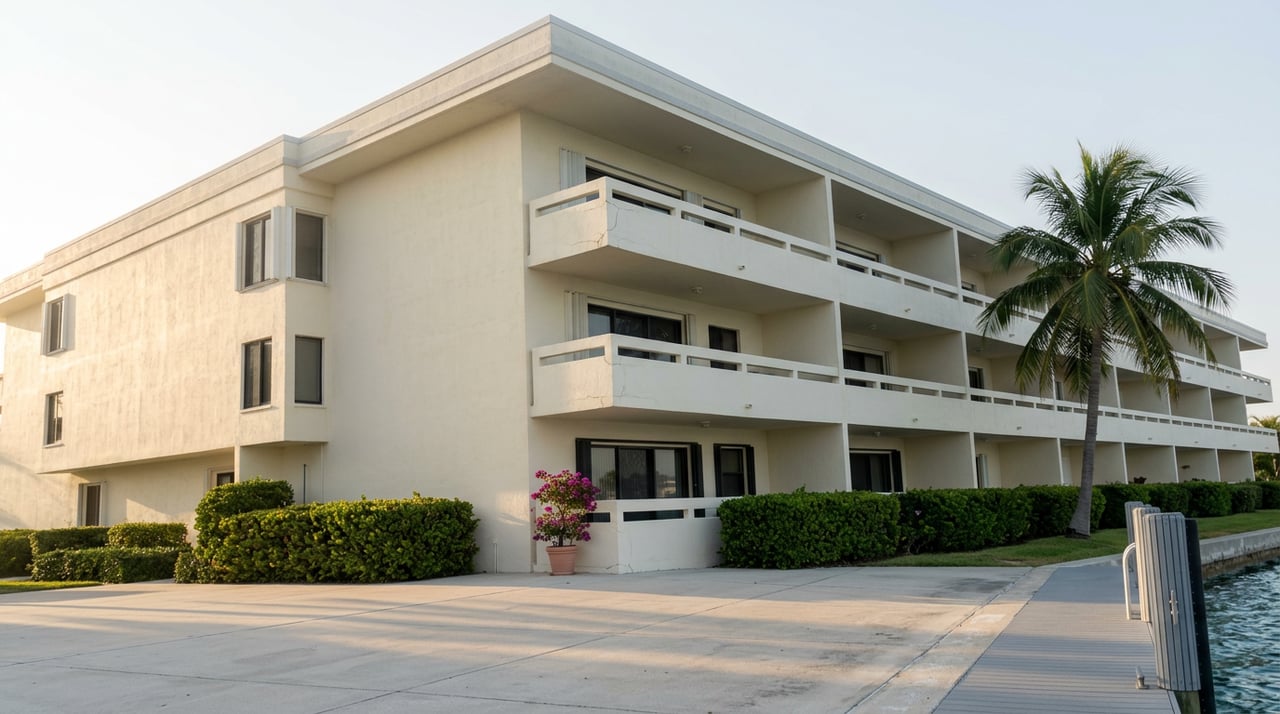
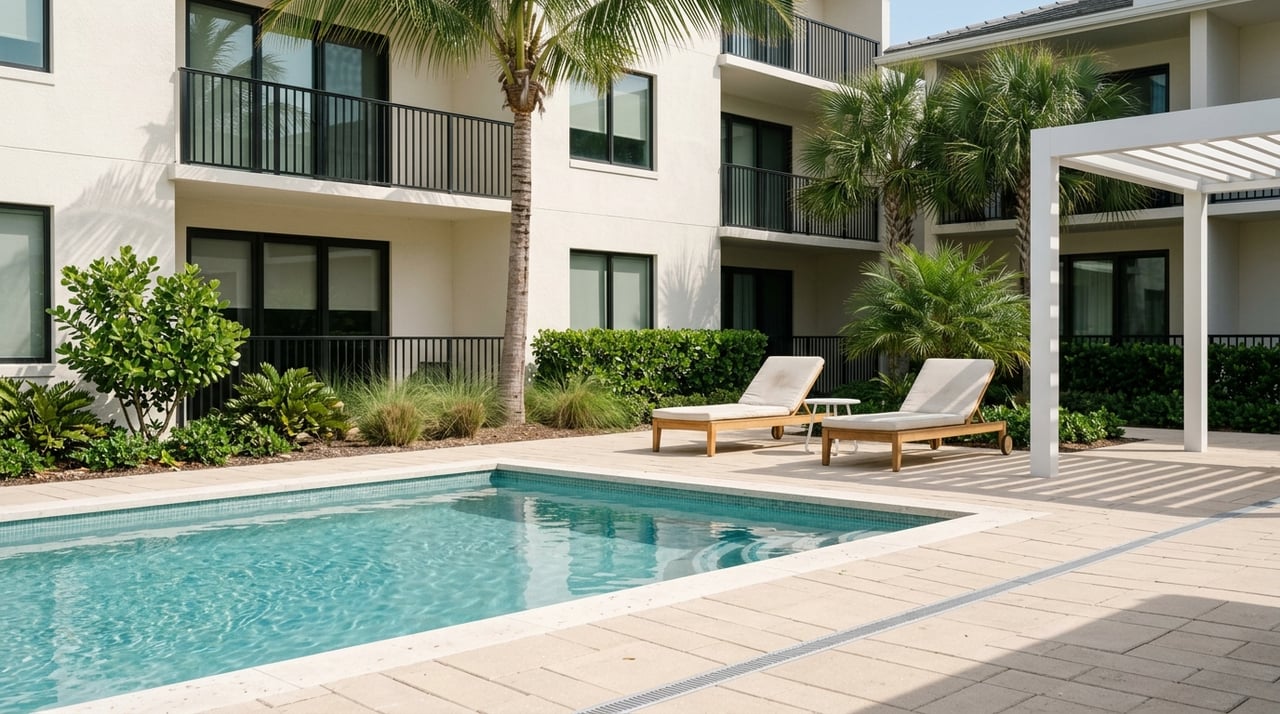
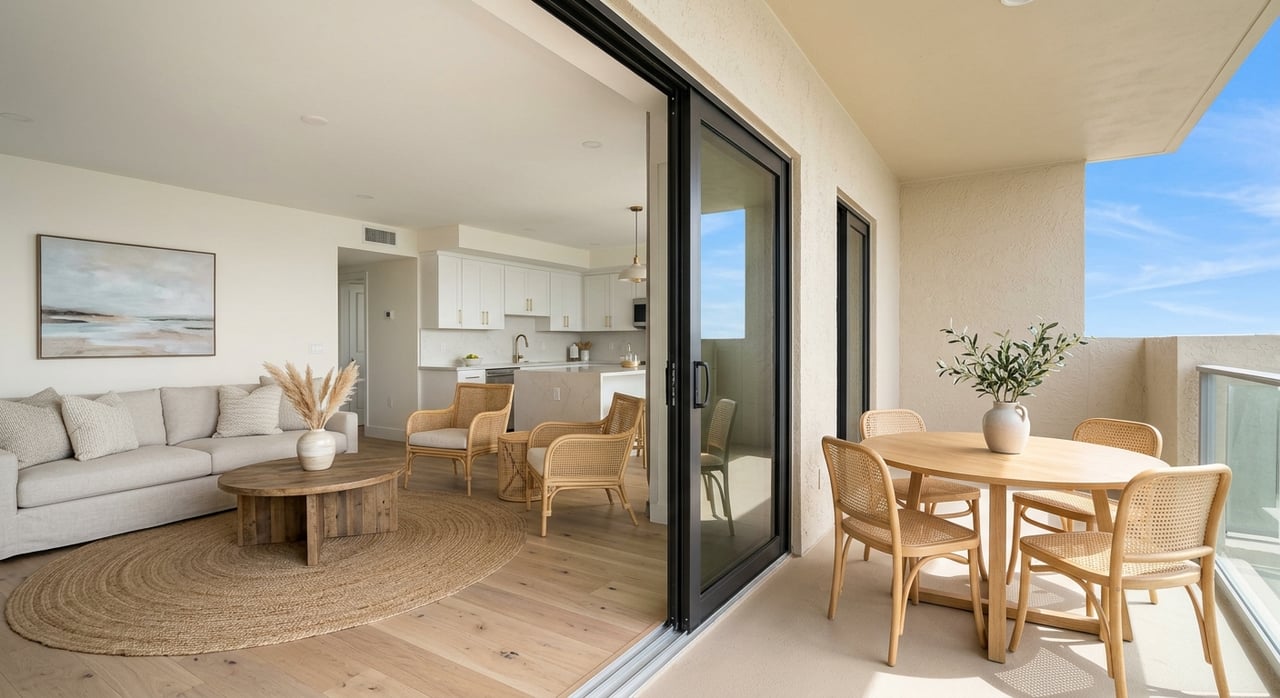
Condo living is designed for convenience. Monthly association fees typically cover exterior maintenance, landscaping, building insurance through a master policy, and common utilities in some buildings. Pools, gyms, and property management are often included.
Your day‑to‑day upkeep is lighter. No mowing, no roof repairs, and no exterior painting. However, if reserves are low, a special assessment can occur to fund repairs or insurance deductibles.
Costs and monthly fees
Expect to budget for HOA fees, property taxes, interior and contents insurance known as an HO‑6 policy, and any utilities not covered by the association. Fees vary widely by building age, amenities, insurance costs, and reserve levels. Elevators, pools, garages, and full‑service management often mean higher dues.
A smart approach is to compare condo fees plus HO‑6 insurance to the cost of homeowners insurance for a house plus typical yard and maintenance expenses.
Insurance and flood risk
Many Cocoa Beach addresses sit in FEMA flood zones. If the structure is in a Special Flood Hazard Area, lenders will require flood insurance. Elevation can influence premiums, so ask for an elevation certificate when available.
Wind and hurricane risk is a fact of coastal ownership. Condominiums carry master insurance with percentage‑based hurricane deductibles. When a storm causes damage, those deductibles can lead to special assessments to unit owners.
Florida’s insurance market can shift. Speak with a local insurance agent early for current premiums and coverage options.
Financing notes
Lenders evaluate condo associations closely. Financials, occupancy ratios, litigation, insurance, and reserve funding all matter. Some loan types require building approvals. If you plan to use FHA or VA financing, ask your lender at the start whether a specific building is eligible.
Rental rules and usage
Condo associations may set rental minimums, cap the number of rented units, require applications, and restrict short‑term rentals. If you want rental income or occasional vacation letting, review the bylaws, lease terms, and approval steps before you offer.
Single‑family homes: what you get
Space and customization
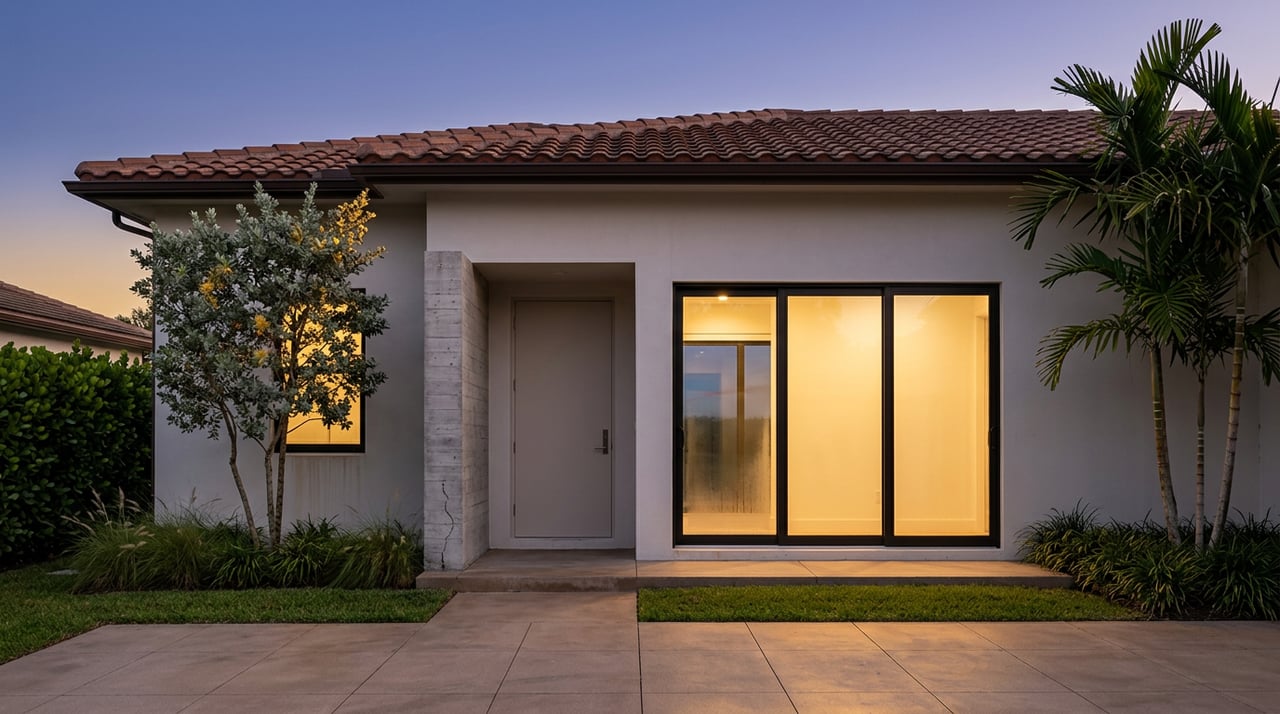
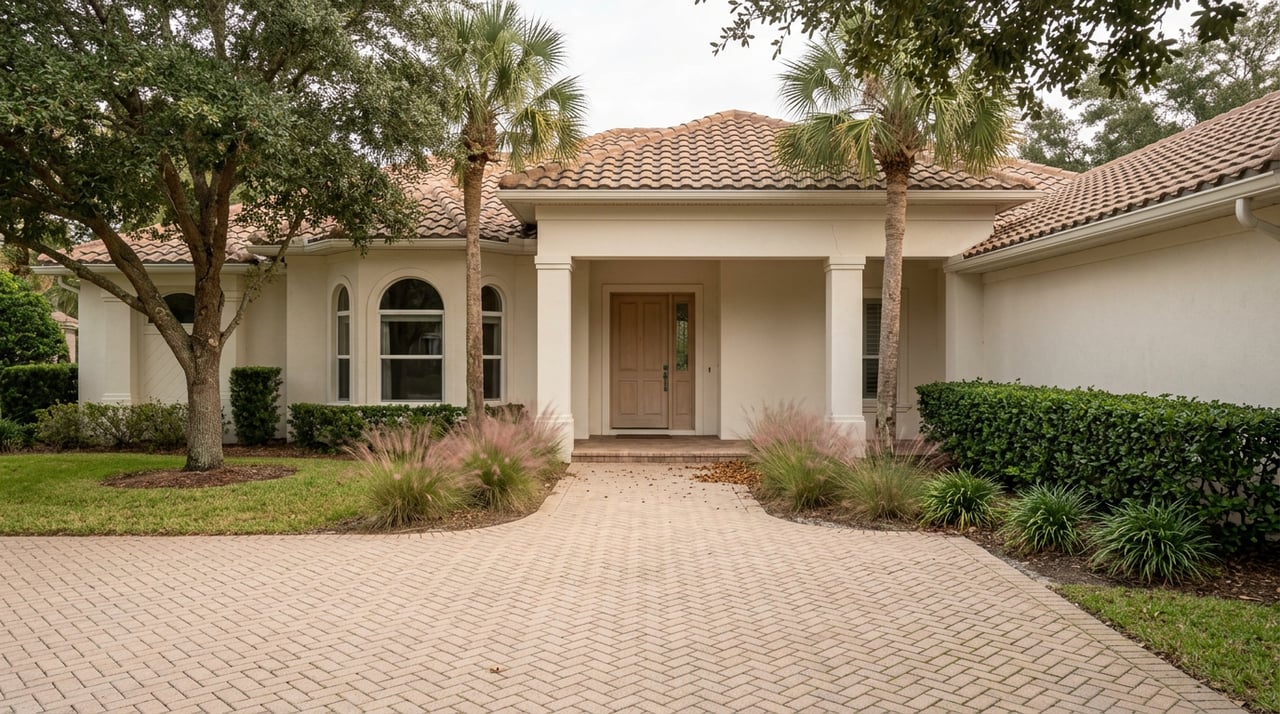
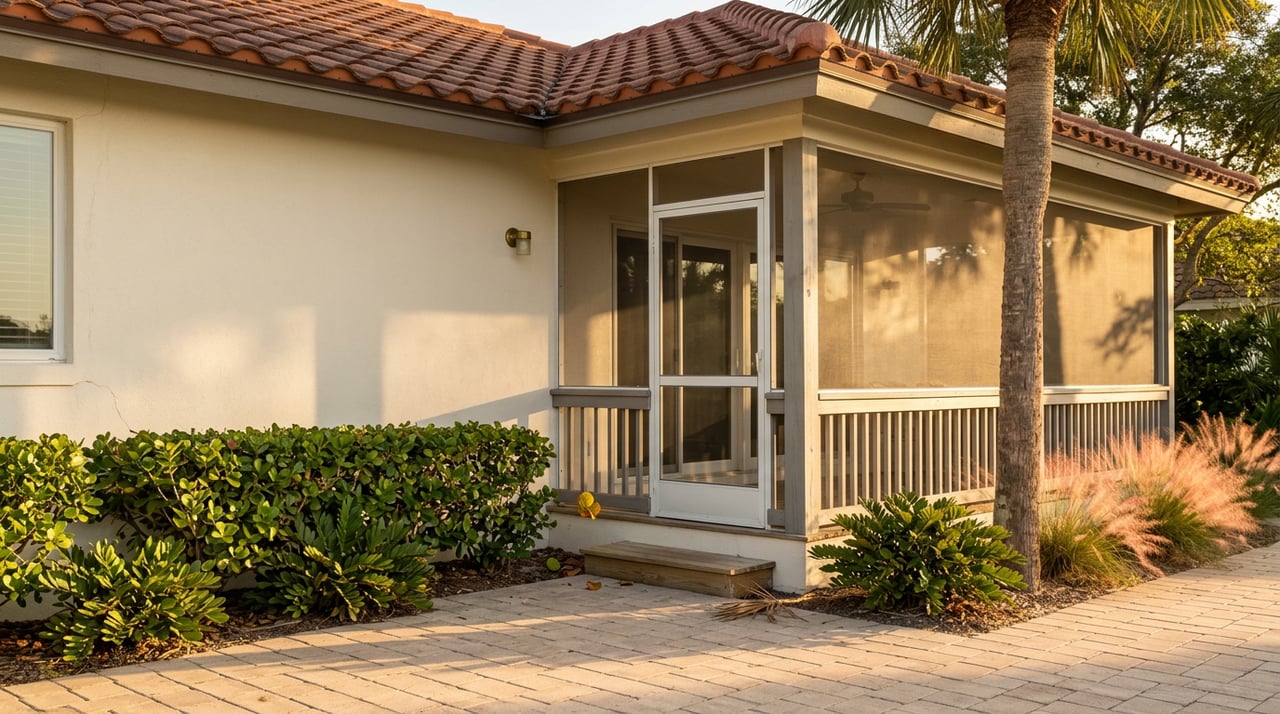
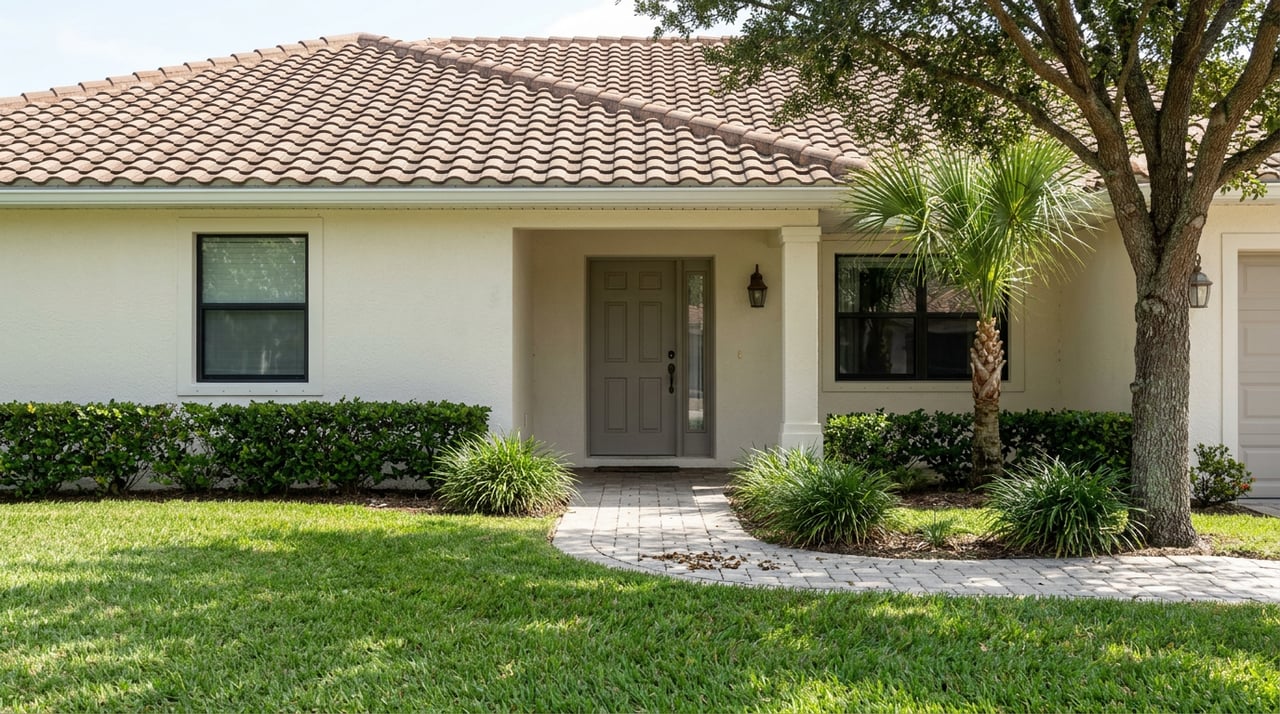
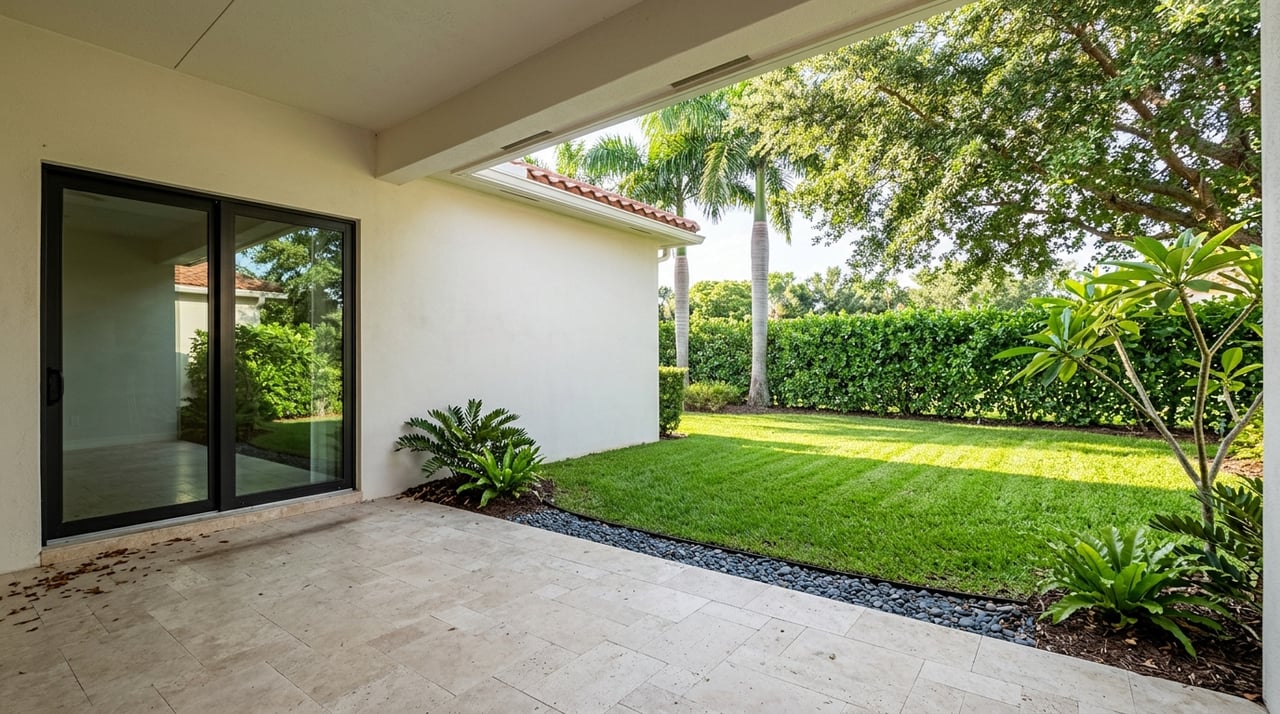
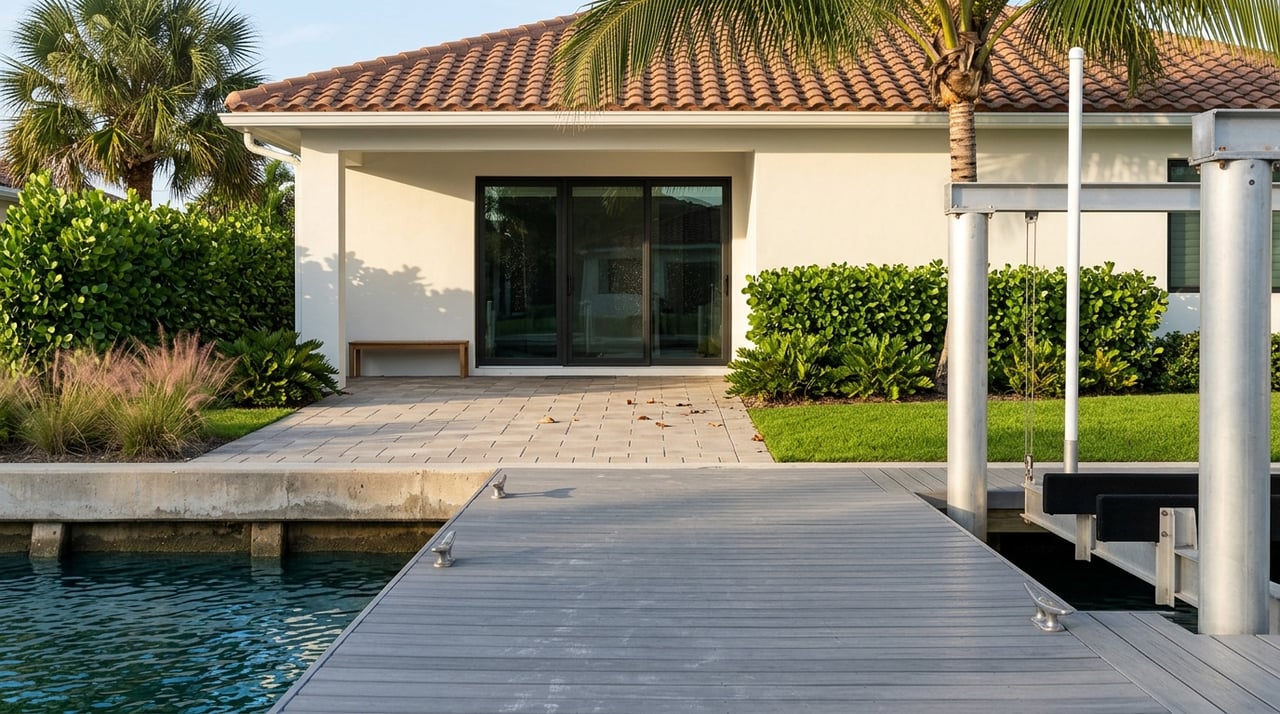
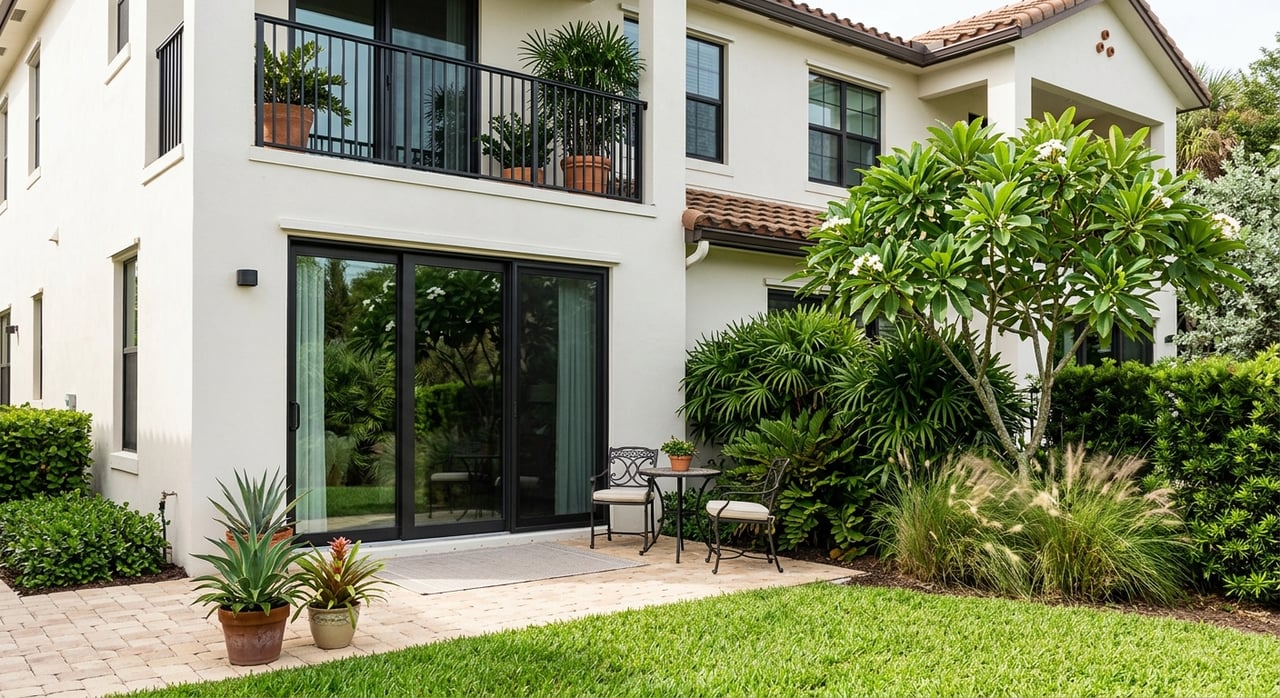
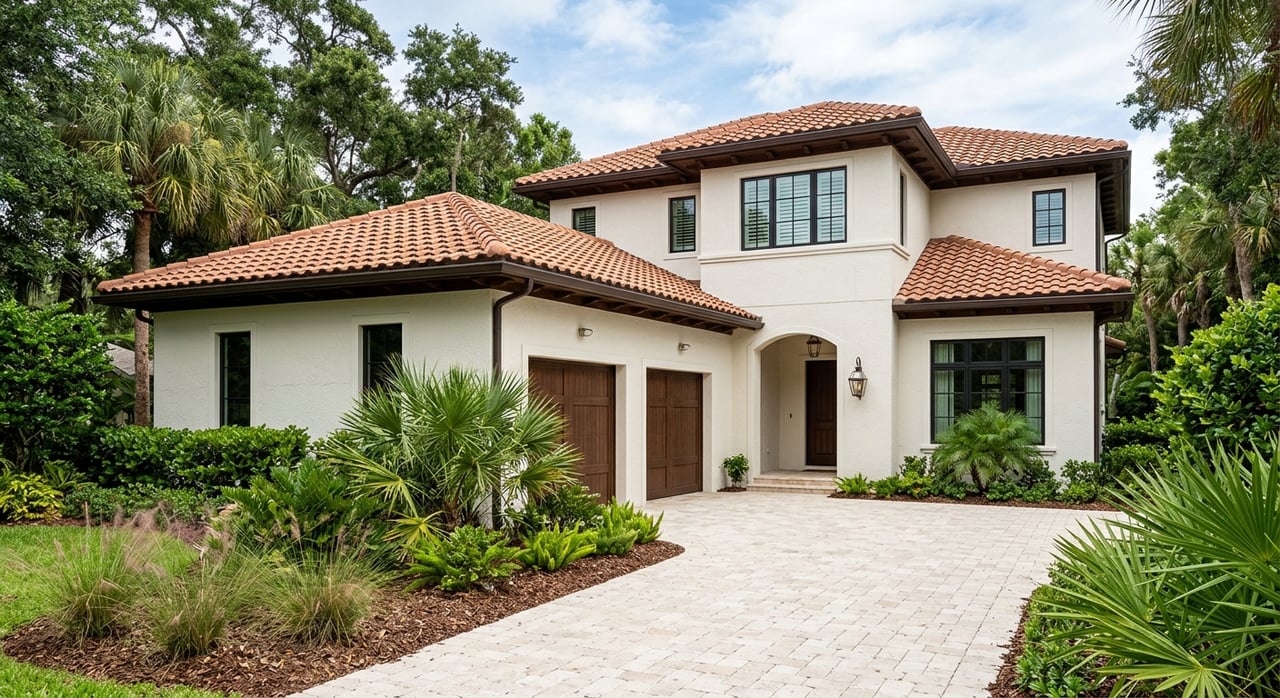
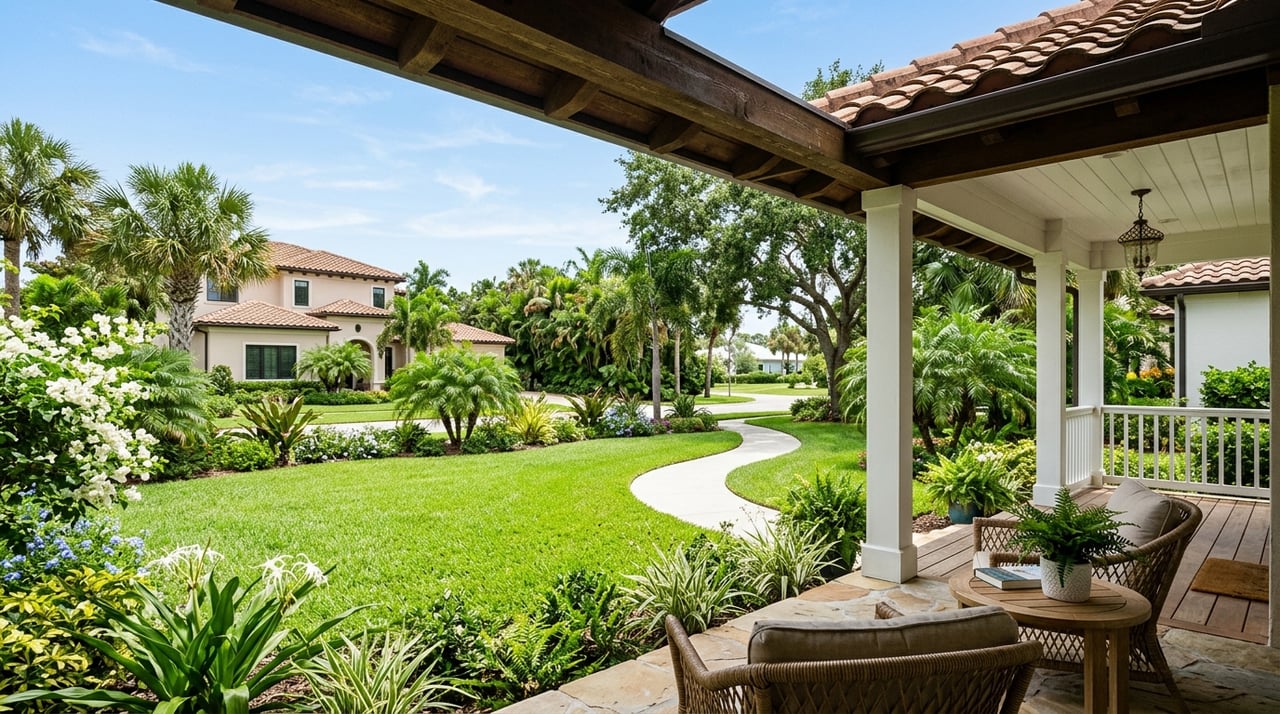
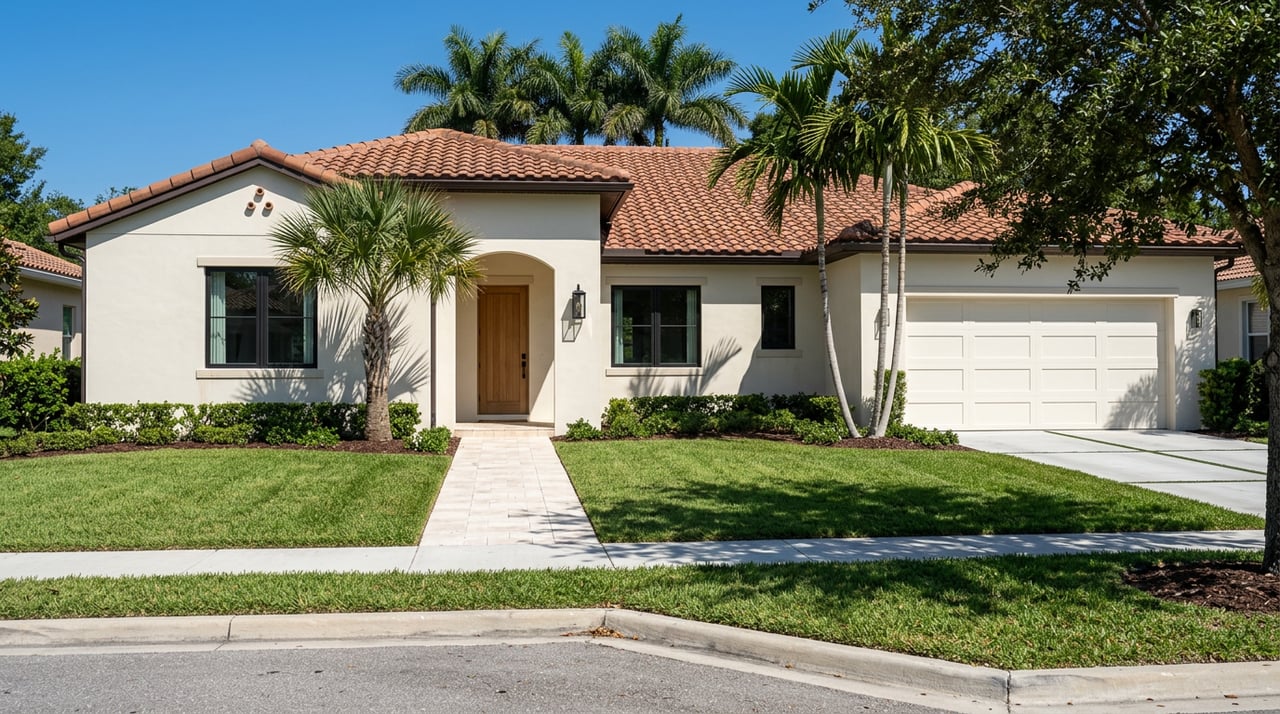
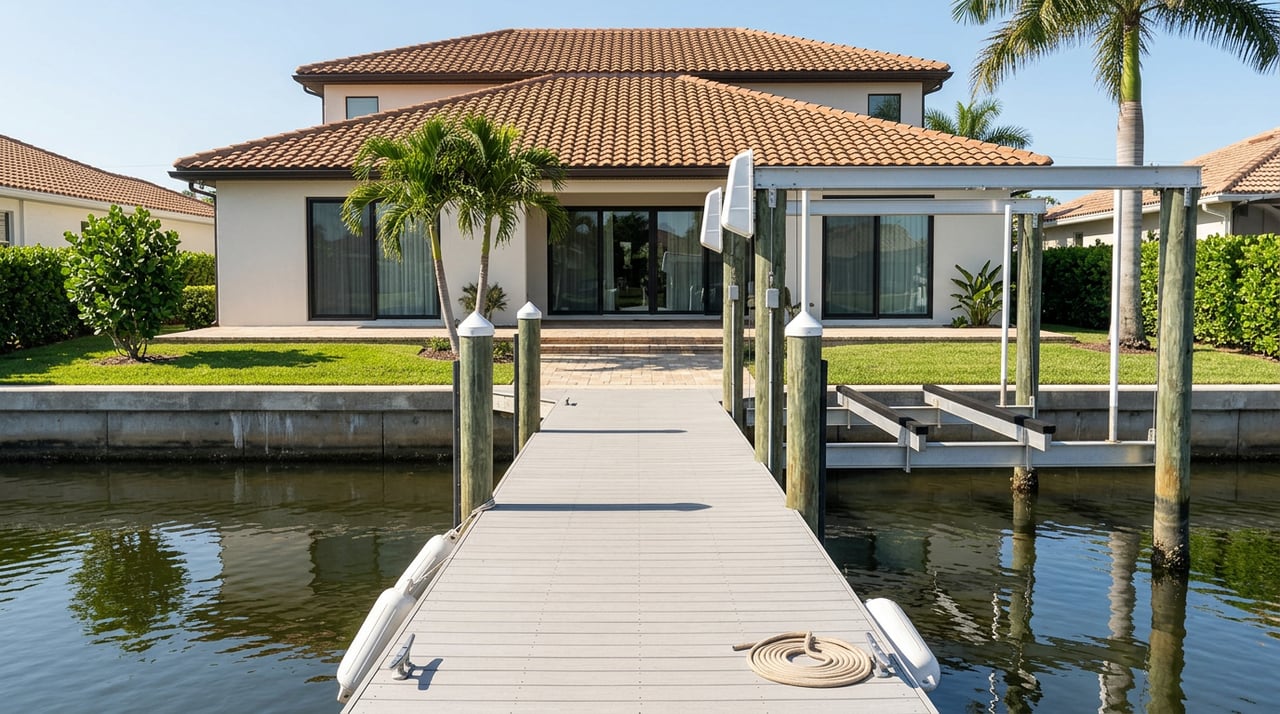
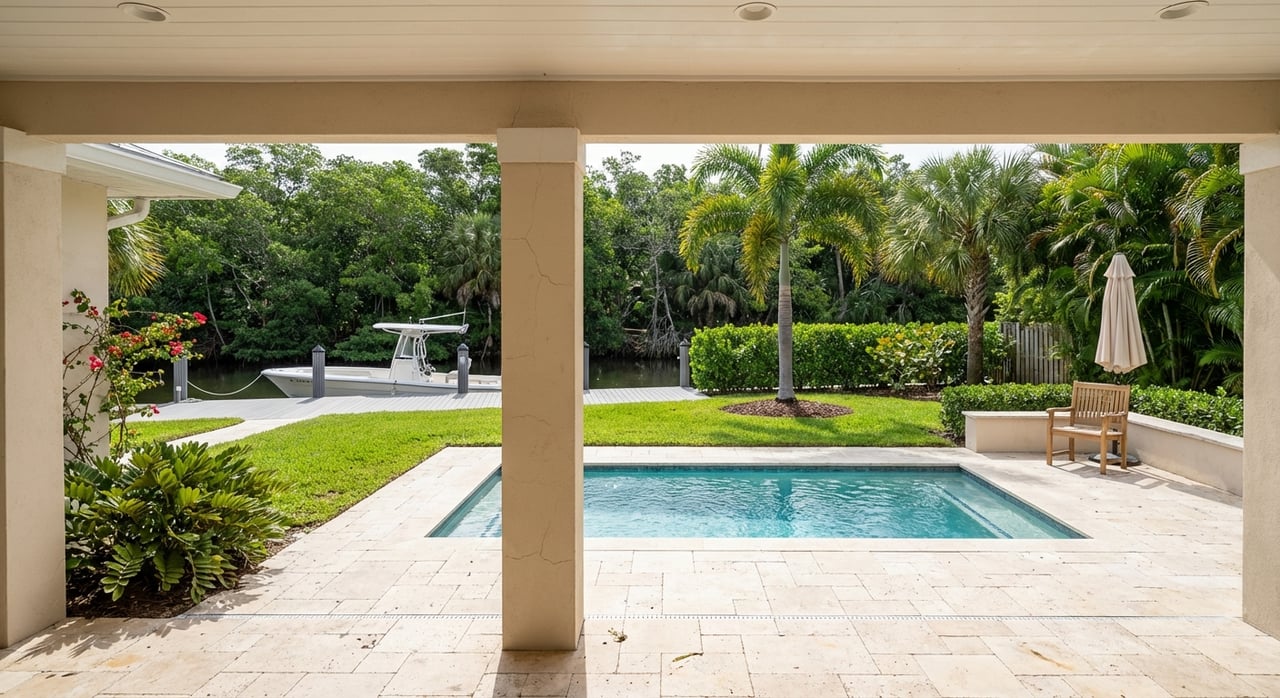
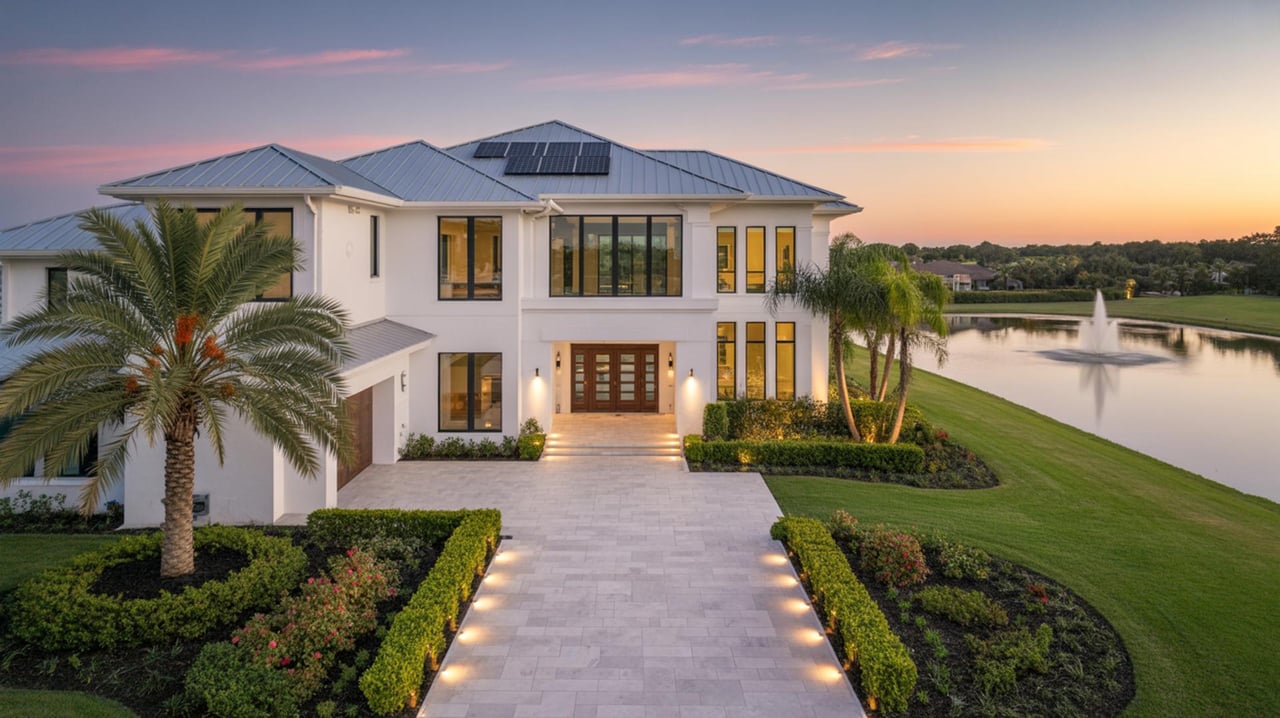
A house gives you a private yard, room to entertain, and more control over changes. You can add landscaping or storage and, with proper permits, consider additions or exterior updates. Larger lots can offer space for a boat trailer or RV, which many Cocoa Beach owners value.
Maintenance and ongoing costs
You handle all upkeep. That includes roof, exterior paint, yard and pool care, driveways, fences, and major systems like HVAC. Costs vary year to year, so set aside reserves for big items.
Your ongoing expenses will include property taxes, homeowners insurance, flood insurance if in a flood zone, and utilities. Wind and hurricane deductibles are often percentage‑based.
Insurance and flood risk
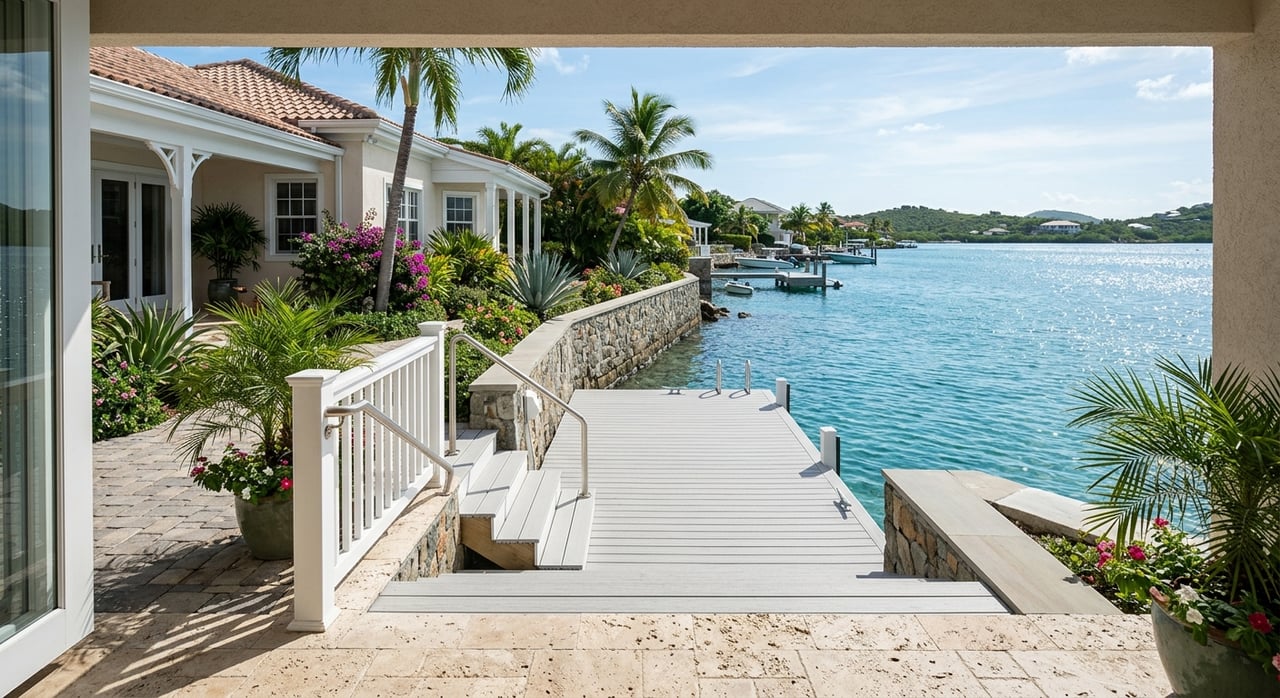
Flood zone and elevation affect coverage and cost. A survey and elevation certificate help you understand risk and premiums. If the home is close to the shoreline or a canal, ask about seawall condition and stormwater drainage.
Financing notes
Financing a house is usually simpler because there is no association approval requirement. If the property sits in a flood zone, your lender will require flood insurance as a condition of the loan.
Rental rules and usage
Rental allowances depend on city and county rules, and any HOA if the home is in a deed‑restricted community. Always verify the local short‑term rental requirements before you rely on projected income.
Lifestyle tradeoffs that matter
Beach proximity and walkability
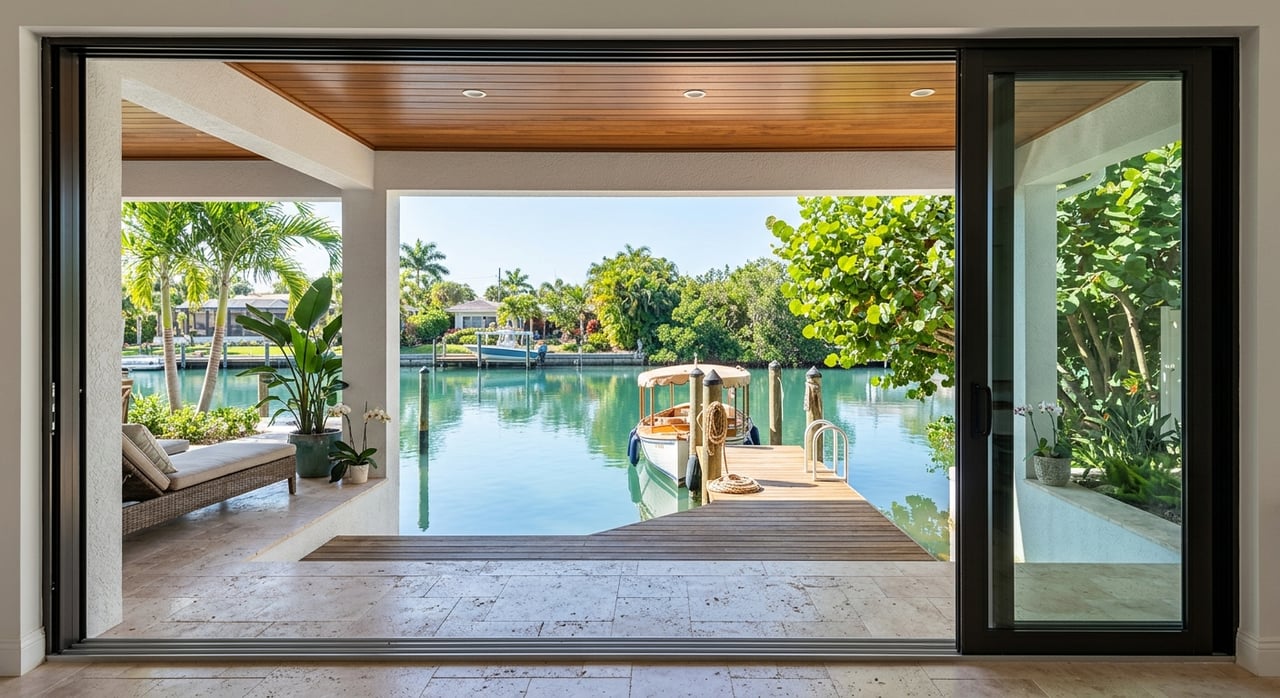
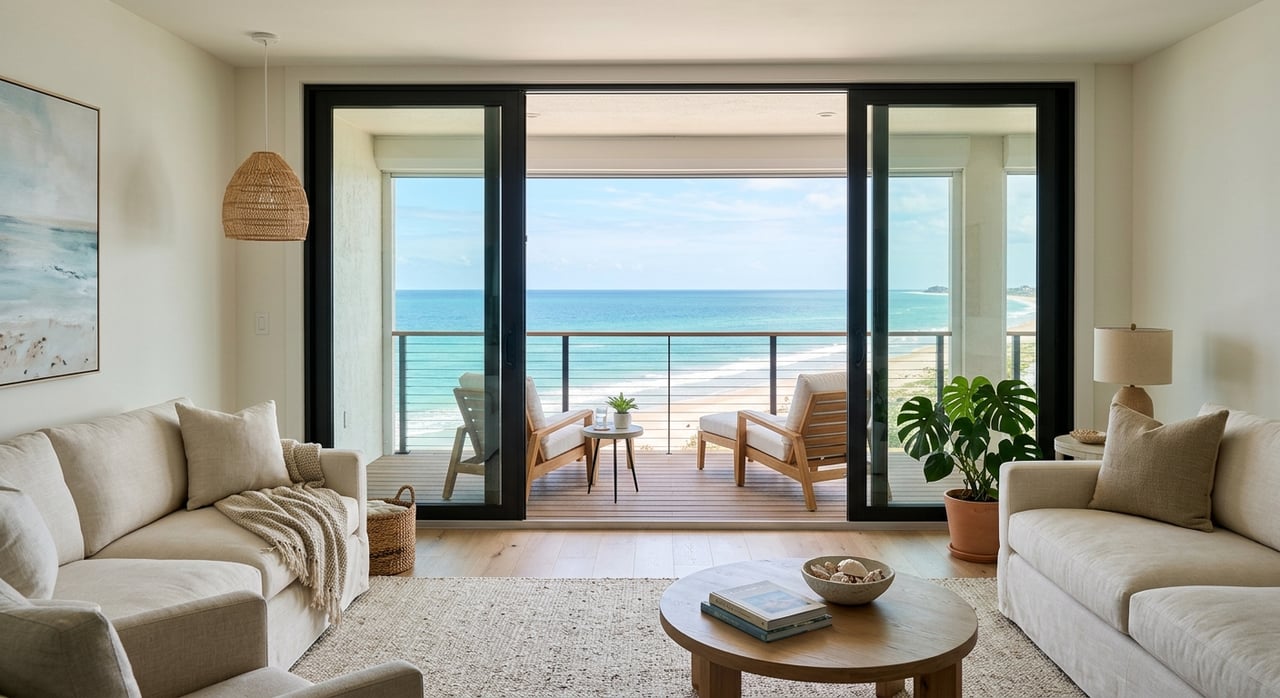
- Condos often deliver instant beach access, ocean views, and easy walks to dining and recreation. They are ideal if you want a lock‑and‑leave second home.
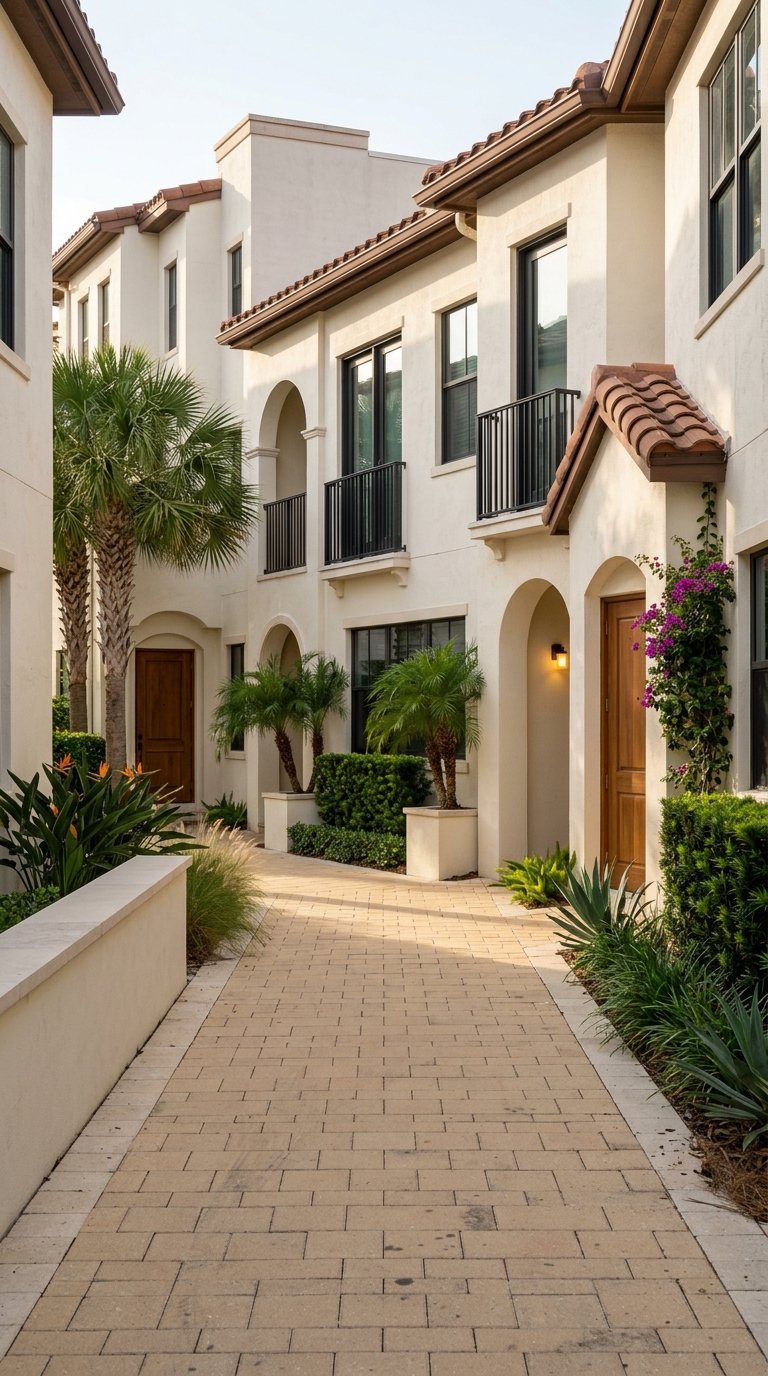
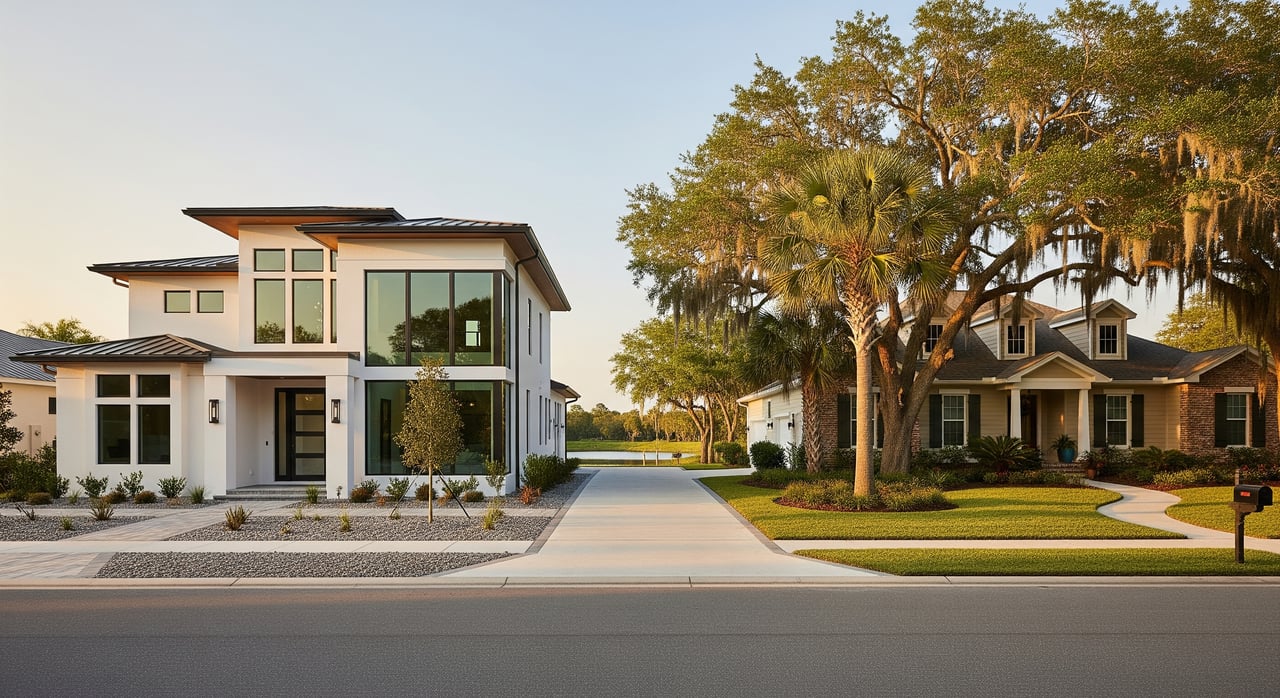
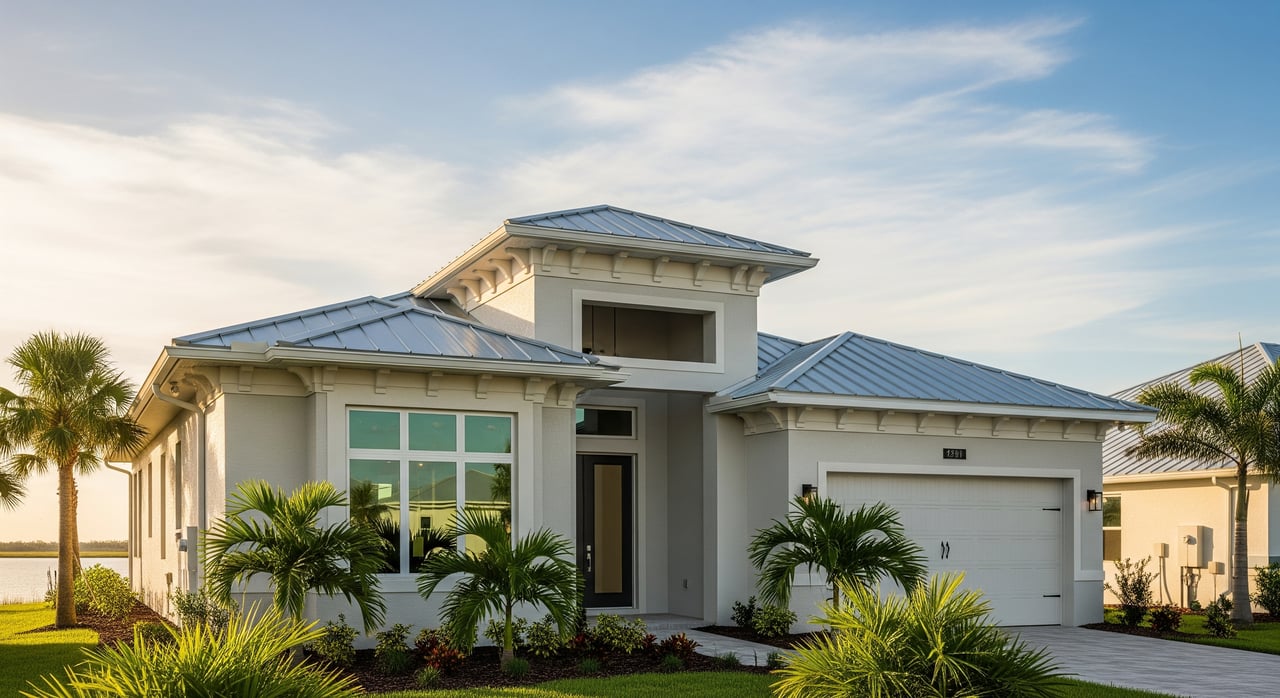
- Houses may sit a few blocks back from the sand but offer more square footage for the price. You gain private outdoor space and flexibility.
Privacy, noise, and neighbors
- Condos include shared walls, common areas, and house rules, which can mean less privacy and more oversight.
- Houses are separated from neighbors, which can feel quieter and more independent, along with more responsibility for upkeep.
Parking and storage
- Many condos limit you to assigned spaces and set guest parking rules. Storage for bikes, boards, or kayaks can be limited.
- Homes typically include driveways and garages, plus more room for beach gear, boats, and trailers where local rules allow.
Cost comparison: budget the right way
Take an apples‑to‑apples view:
- For condos, add HOA fees, HO‑6 insurance, utilities not covered by the association, and a prudent reserve for potential special assessments.
- For houses, add homeowners insurance, flood insurance if required, yard and pool services, utilities, and a reserve for roof, HVAC, and exterior maintenance.
- Factor hurricane deductibles. These are often a percentage of insured value, which can impact out‑of‑pocket costs after a storm.
- Request written estimates from local insurance agents early in your search. Knowing premiums helps you compare properties on a true monthly basis.
Planning to rent your property
Condos and association rules
Many associations set minimum lease terms, require applications, and regulate guest access. Some buildings do not allow short‑term rentals even if the city permits them. Review the bylaws, budget, reserves, rental caps, and recent meeting minutes before you offer.
City and county requirements
The City of Cocoa Beach and Brevard County may require registrations, business tax receipts, occupancy and parking compliance, and safety standards for short‑term rentals. Rules change, so verify current requirements directly with the city and county before you rely on rental income.
Due diligence checklist
For condos
- Ask for the resale or estoppel package that includes budget, reserves or reserve study, rules, insurance master policy with hurricane deductible, and any current or planned assessments.
- Review rental restrictions, lease minimums, approval steps, and the percentage of units rented.
- Check for recent special assessments, claims history, litigation, and the association’s financial health.
- Confirm parking assignments, storage, pet policies, and amenity access.
- Start document requests as soon as your contract is accepted to keep timelines on track.
For single‑family homes
- Confirm flood zone, request an elevation certificate if available, and get insurance quotes.
- Inspect roof, HVAC, pool equipment, seawall if present, and septic or sewer status.
- Order a survey to confirm setbacks, easements, and access. Barrier‑island lots can be unique.
- Verify permits for past work and whether proximity to the shoreline triggers special permitting.
Timeline: offer to closing
While every deal is unique, timing often looks like this:
- Pre‑offer: obtain lender pre‑approval and review current listings.
- Offer to contract: plan for 7 to 14 days to negotiate and for any contract rescission periods.
- Inspections and condo document review: allow 7 to 21 days. Order condo documents right after acceptance, since they can be the pacing item.
- Loan underwriting and appraisal: typically 21 to 45 days, depending on loan type and appraiser availability.
- Closing: commonly 30 to 60 days from contract, depending on financing and how fast inspections and association documents are completed.
Include key contingencies. Typical ones cover financing, inspection, flood insurance affordability, and for condos, the right to cancel after reviewing the association’s financials, rules, and litigation status.
Which is right for you?
Choose a condo if you want:
- Beachfront or ocean‑view living with minimal upkeep.
- Amenities such as a pool or gym that you do not have to maintain yourself.
- A lock‑and‑leave second home with on‑site management or strong building services.
Choose a house if you want:
- More space, privacy, and the ability to customize.
- Private outdoor living and storage for beach gear, boats, or trailers where permitted.
- Fewer building rules and more control over your property.
Both paths can deliver the Cocoa Beach lifestyle you want. The best choice aligns your daily life, budget, and plans for rental or resale.
Work with a local advisor
You deserve a clear plan, clean numbers, and a smooth process. With deep Space Coast expertise and premium marketing reach, Diana Roca guides you through costs, insurance, rental rules, association review, and timing so you can buy with confidence. If you are ready to compare the best condos and homes for your goals, reach out to Diana Roca LLC for tailored guidance.
FAQs
Will a lender finance a Cocoa Beach condo?
- Many lenders will, but they review the association’s financials, insurance, occupancy, and litigation. Ask your lender early about project eligibility and whether FHA or VA options apply to your situation.
How much are Cocoa Beach condo HOA fees?
- Fees vary by building age, amenities, insurance costs, and reserves. They typically cover exterior maintenance, common utilities in some cases, building insurance, reserves, and management. Review the budget and reserve study to know exactly what is included.
Can I short‑term rent in Cocoa Beach?
- It depends on both the condo or HOA rules and city or county regulations. Some associations restrict short‑term rentals even if permitted locally. Verify all requirements before you buy.
How do flood zones affect my purchase?
- If a structure is in a Special Flood Hazard Area, lenders require flood insurance. Elevation and location influence premiums. Request an elevation certificate and insurance quotes during your inspection period.
What is the biggest hidden cost for condos?
- Special assessments, often tied to insurance deductibles after a storm or deferred maintenance. Review reserves, meeting minutes, and claims history before you commit.
What is the biggest hidden cost for houses?
- Major systems and coastal items such as roof replacement, seawall repair where applicable, or elevated flood insurance. Budget reserves and get thorough inspections.