Thinking about selling your Cape Canaveral condo to someone who may never see it in person before making an offer? That is not as unusual as it sounds. In a market shaped by cruise travel, beach access, and Space Coast appeal, many condo buyers start their search from somewhere else. If you want to stand out, your listing needs to do more than look good. It needs to answer questions, reduce uncertainty, and make the process feel simple from afar. Let’s dive in.
Why remote buyers shop Cape Canaveral condos
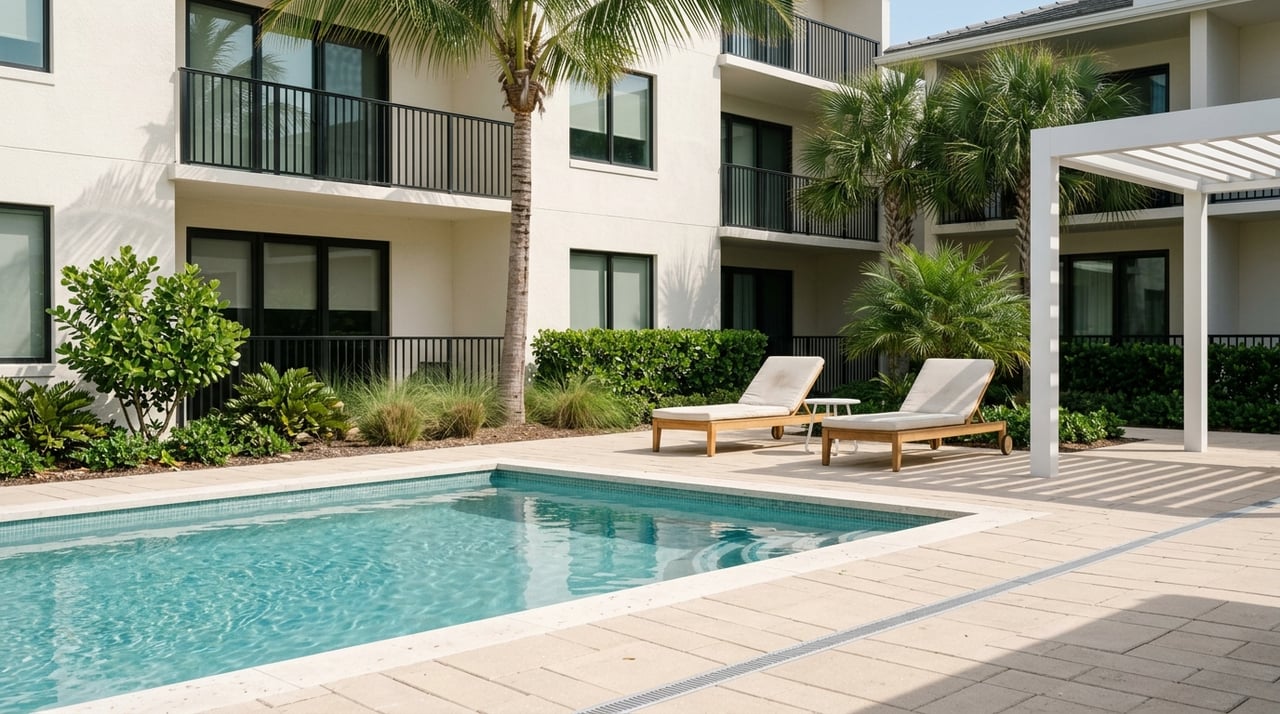
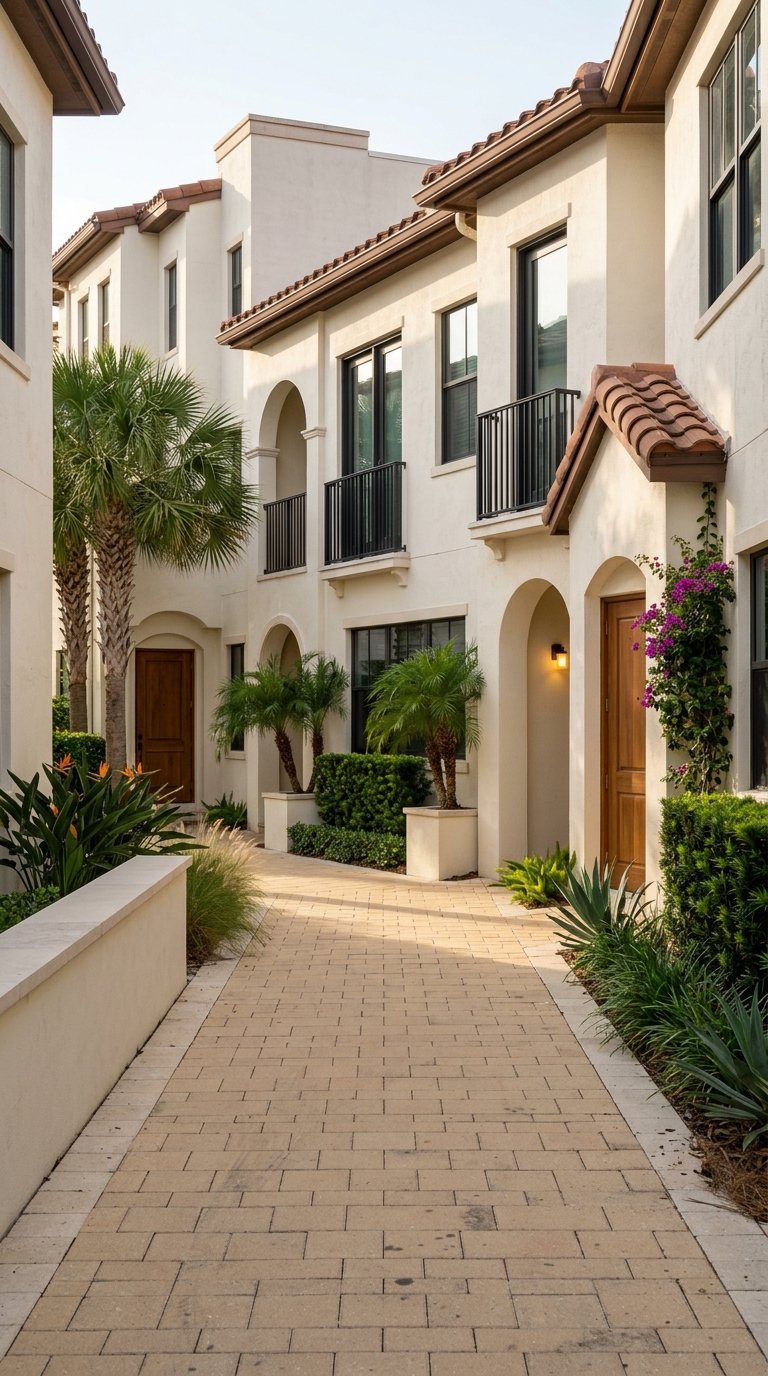
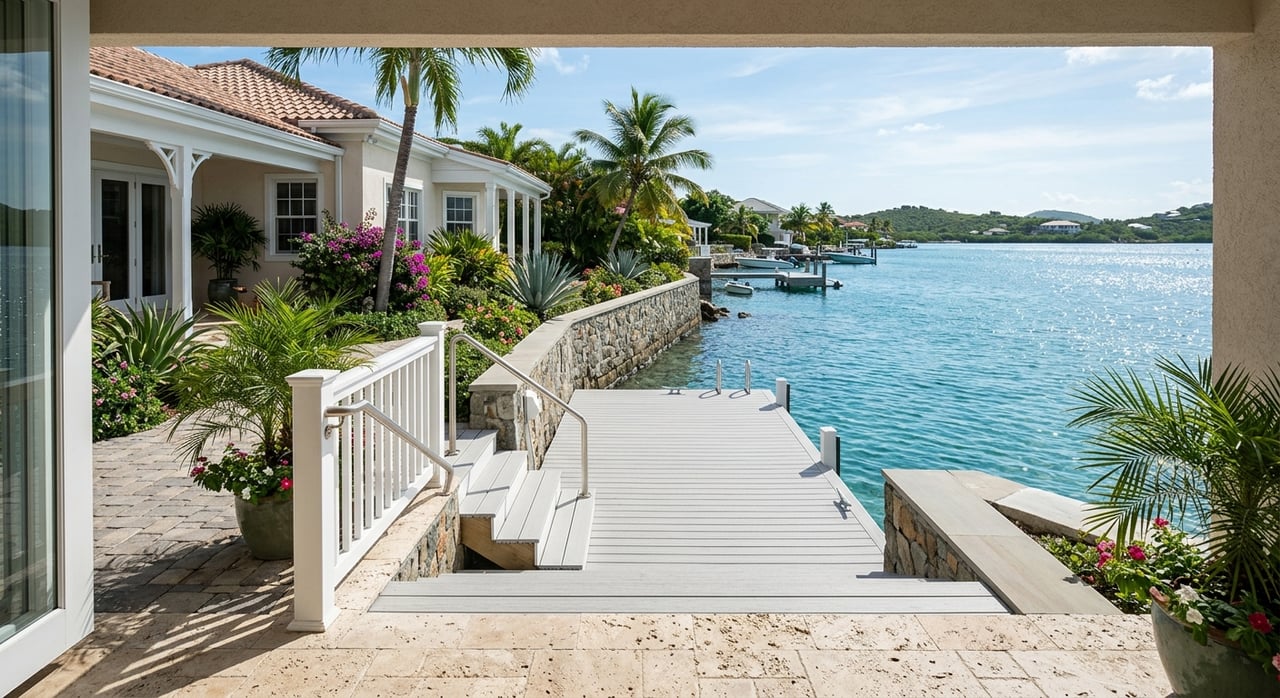
Cape Canaveral has a built-in audience of out-of-town buyers. The area is closely tied to Port Canaveral, beach access, and Space Coast attractions, which makes it appealing to seasonal owners, second-home buyers, and people looking for a low-maintenance coastal property.
Port Canaveral recorded 8,602,047 revenue passenger movements in fiscal year 2025 and serves seven cruise lines. Visit Space Coast also describes Cape Canaveral as the closest city to the port and notes that the Space Coast sits about an hour from Orlando, with cruises, beaches, and rocket launch viewing among the area's core draws.
For many remote buyers, a condo here is less about a traditional year-round suburban setup and more about convenience. They are often looking for a lock-and-leave property with easy arrival, simple upkeep, beach proximity, and access to the port and surrounding attractions.
Market your condo as a lifestyle base
If you are listing a Cape Canaveral condo, it helps to think beyond square footage alone. Remote buyers often want to picture how the property fits into real life, especially when they are shopping from another city or state.
That means your listing should clearly show practical lifestyle benefits. Buyers may be comparing whether they can arrive easily, park without hassle, enjoy the balcony, access the beach, and leave the property for stretches of time without heavy maintenance concerns.
This is where strong local positioning matters. A well-presented listing should make it easy for a buyer to understand how the condo works as a coastal home base for weekends, seasonal stays, or extended visits.
Build a virtual-first listing package
Remote buyers need more than a handful of attractive photos. They need enough detail to understand the unit, the building, and the day-to-day experience before they decide whether to schedule a showing or write an offer.
A good rule is to treat the condo like a digital product. Your listing package should help buyers understand the space quickly, confidently, and with as few unanswered questions as possible.
Use bright, neutral staging
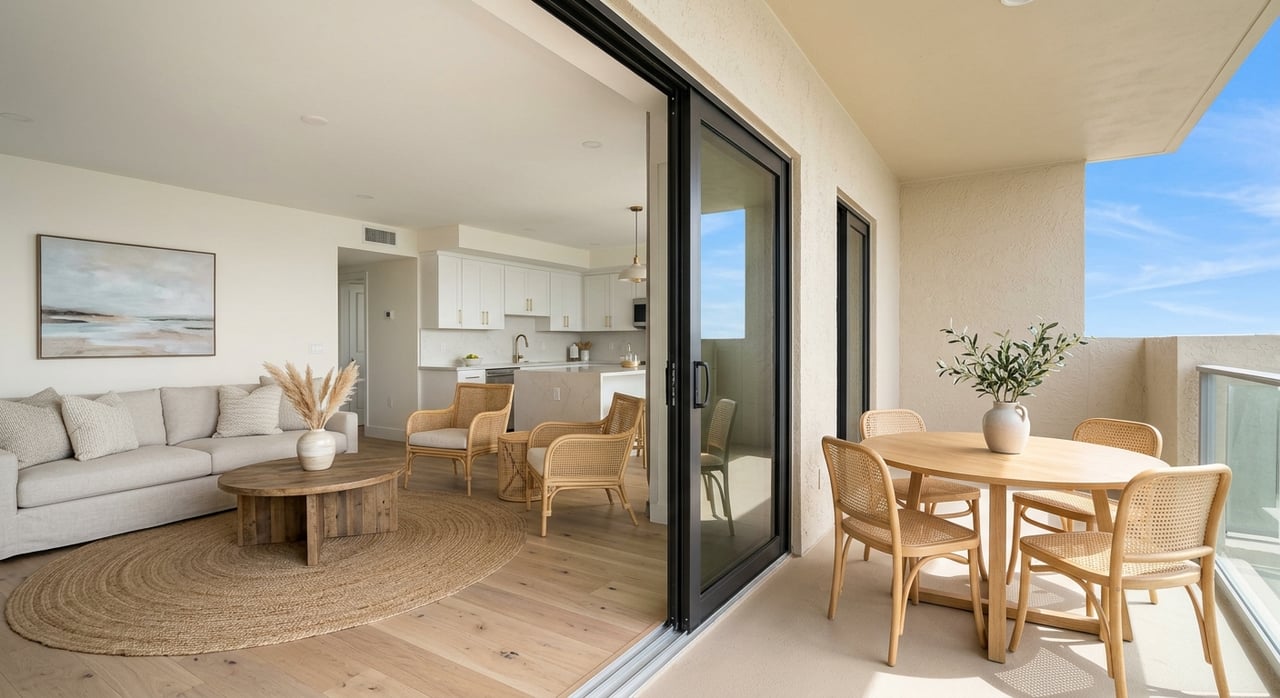
Clean, bright, neutral staging helps rooms feel larger and easier to read on a screen. It also allows buyers to focus on the layout, natural light, and condition instead of getting distracted by personal style choices.
This approach is especially useful when your audience is comparing multiple condos online. If your unit feels visually calm and well maintained, it becomes easier for a remote buyer to imagine using the space.
Show the full path to the unit
Photos and video should not stop at the front door. Remote buyers want to see how they would actually move through the property from arrival to everyday use.
That means showing:
- Building entry
- Lobby or common entry area
- Elevator or stair access
- Hallways
- Unit entrance
- Assigned parking space
- Storage areas, if any
- Balcony
- Shared amenities
This kind of visual flow helps buyers understand convenience, access, and the building experience, not just the interior finishes.
Include floor plans and walkthrough video
A floor plan is one of the most helpful tools for an out-of-town buyer. It gives instant clarity on dimensions, room relationships, and overall flow.
Short video walkthroughs also matter because they show how the condo feels in motion. Combined with room-by-room captions, they can answer many of the questions a remote buyer would otherwise need to ask before moving forward.
Highlight the details buyers care about most
In Cape Canaveral, remote condo shoppers often focus on features that support short stays, seasonal living, or easy ownership. Your listing should make these details obvious.
Be sure to show and explain:
- Balcony use and view orientation
- Beach proximity
- Assigned parking
- Laundry setup
- Storage availability
- Amenity spaces
- Updates and maintenance completed
- Items that convey with the sale
The strongest listings answer practical questions early. That saves time and helps serious buyers feel more comfortable making decisions from a distance.
Prepare Florida condo documents early
In Florida, condo resale preparation is not just about presentation. It is also about document readiness. This is especially important now, because buyers are paying close attention to building information, association records, and required disclosures.
For a nondeveloper condo resale, Florida law requires the seller, at the seller’s expense, to provide a prospective buyer with current copies of key condominium documents. These include the declaration, articles of incorporation, bylaws and rules, annual financial statement and budget, the FAQ document, and the governance form.
If applicable, sellers must also provide the inspector-prepared summary of the milestone inspection report, the most recent structural integrity reserve study or a statement about whether one has been completed, and the turnover inspection report. For remote buyers, having these materials ready early can make your listing feel more organized and trustworthy.
Understand buyer review timelines
Florida’s current condo resale language includes a 7-business-day voidability period tied to delivery of the standard condo documents. A separate 15-day period can apply when milestone, turnover, or reserve-study documents are requested in writing and are applicable.
That means delays in document delivery can affect momentum. If you want a smoother transaction with a remote buyer, it helps to prepare these materials before your condo hits the market or as early in the listing process as possible.
Gather association records in advance
Association records can play a big role in buyer confidence. Florida law requires official condo records to be kept in the state for at least seven years and made available within 10 working days after a written request. The law also allows associations to make records available electronically.
Those official records may include the current question-and-answer sheet, structural or life-safety inspection reports, and the most recent structural integrity reserve study, if applicable. For a remote buyer, quick access to this information can remove major friction from the sale.
Be ready for milestone inspection questions
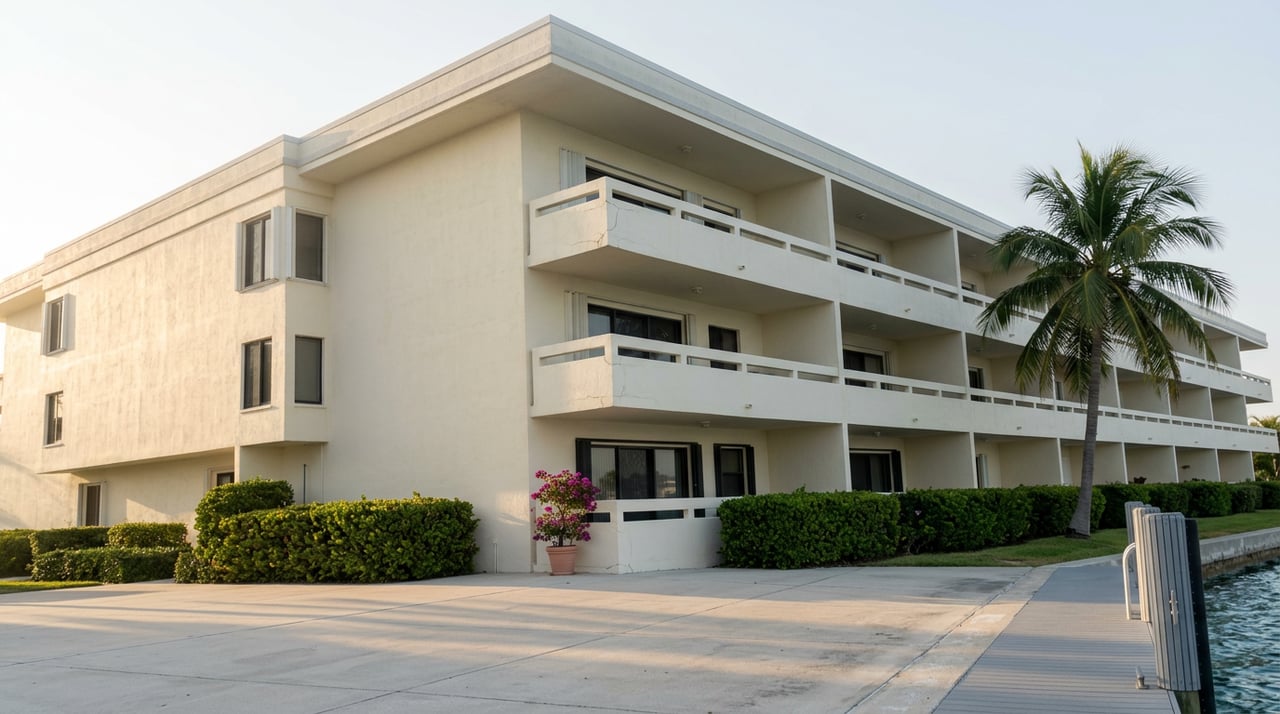
For older buildings, milestone inspections are now a central issue. Florida requires a milestone inspection for condominium and cooperative buildings that are three habitable stories or more when they reach 30 years of age, and then every 10 years after that.
Buildings that reached 30 years of age before July 1, 2022 were due by December 31, 2024. Some buildings that reached 30 during the 2022 through 2024 window were due by December 31, 2025. In practical terms, some Cape Canaveral condo listings need building-safety paperwork ready well before buyers start comparing finishes or views.
Treat the estoppel certificate as a priority
The estoppel certificate often becomes important late in the process, but it should not be an afterthought. It can include useful transaction details such as parking or garage space numbers, insurance contacts, right-of-first-refusal information, and open rule violation information drawn from association records.
Florida law currently caps the estoppel fee at $250 when no delinquent amounts are owed. Since remote buyers often want full clarity on fees, parking, and association status, planning ahead for this document can help avoid closing delays.
Answer remote-buyer questions before they ask
The best Cape Canaveral condo listings reduce uncertainty. Since many remote buyers are not nearby, they tend to ask direct, practical questions before they become emotionally attached to a property.
Your listing should be ready to address common concerns such as:
- What the HOA fee covers
- Whether there are parking limits
- Pet rules
- Rental restrictions
- Storage rules
- Whether there is a special assessment
- What the reserves look like
- Whether a milestone inspection has been completed
- Whether a structural integrity reserve study is available
- What furniture, appliances, or accessories stay with the unit
When those answers are organized early, your condo feels easier to buy from a distance. That can give your listing an advantage in a market where confidence and clarity matter just as much as presentation.
Plan for remote closing from day one
A remote buyer may also want a remote closing. Florida allows documents that require notarization to be notarized electronically, and the state authorizes online notarization by audio-video communication.
An online notary may perform the act even if the principal or witnesses are not physically in Florida, as long as the legal requirements for identity proofing and witness location are met. This can make a long-distance transaction much more manageable when the right parties are aligned early.
Choose the closing format early
If your buyer is remote, it helps to decide early whether the closing will be mail-away, hybrid, or fully remote. That choice can shape the timeline and the coordination needed among the parties.
It is also important to confirm that the lender, title company, and closing attorney will accept the chosen signing method. Getting clarity upfront can prevent last-minute surprises.
Coordinate key documents before signing
A smooth remote closing depends on behind-the-scenes preparation. Items like payoff information, HOA estoppel, wire instructions, and recording details should be coordinated well before the buyer is ready to sign.
This is one reason a high-touch listing strategy matters. Remote transactions can absolutely work well, but they usually work best when the process is organized from the beginning.
Why local guidance matters
Selling to a remote buyer is not just about posting a condo online. It is about presenting the property in a way that feels complete, accurate, and easy to understand from anywhere.
In Cape Canaveral, that means combining strong visual marketing with local knowledge of how buyers use these properties and clear preparation around Florida condo disclosures. When your listing is both polished and document-ready, you make it easier for a remote buyer to say yes.
If you are preparing to sell a condo in Cape Canaveral, working with a local expert who understands coastal buyers, condo paperwork, and premium listing presentation can make a meaningful difference. To start planning your next move, connect with Diana Roca LLC.
FAQs
What should a Cape Canaveral condo listing show for remote buyers?
- A strong remote-buyer listing should show the full path from building entry to the unit, plus parking, storage, balcony, amenities, and clear visuals of the interior layout.
What condo documents does a Florida seller need for a resale?
- Florida law requires a nondeveloper seller to provide current copies of the declaration, articles of incorporation, bylaws and rules, annual financial statement and budget, FAQ document, and governance form, plus certain inspection and reserve documents if applicable.
What do remote condo buyers ask about most in Cape Canaveral?
- Remote buyers often ask about HOA fees, parking, pet rules, rental restrictions, storage, special assessments, reserves, milestone inspections, and what items stay with the unit.
Can a condo sale in Florida close remotely?
- Yes. Florida allows electronic notarization and online notarization by audio-video communication, provided legal requirements are met and the closing parties accept the chosen signing method.
Why do milestone inspections matter for Cape Canaveral condos?
- For certain older condominium buildings in Florida that are three habitable stories or more, milestone inspections are required at specific age thresholds, so buyers often want that building-safety information early in the process.
Why is the estoppel certificate important in a Florida condo sale?
- The estoppel certificate can confirm important association details such as fees, parking or garage space numbers, insurance contacts, right-of-first-refusal information, and open rule violations, which helps support a smoother closing.